Owning a red bellied parrot is a joy. Their playful antics and curious nature make them wonderful companions. But their long-term health and vibrant personality depend heavily on what you put in their bowl. Getting their diet right is the single most important thing you can do.
This avian nutrition guide cuts through the confusion. We’ll break down the core components of a balanced avian diet for your Poicephalus rufiventris, from the great pellet debate to the fresh foods they need. You’ll know exactly what to feed red bellies and what to keep far away.
Understanding Red Bellied Parrot Nutritional Needs
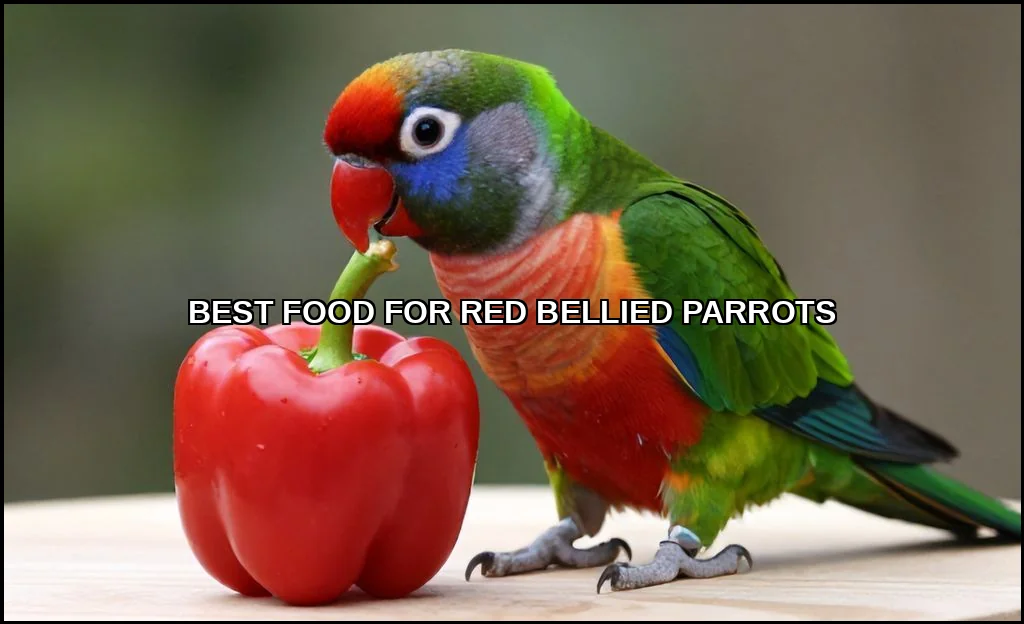
Red bellied parrots, like all Poicephalus species, are active psittacines from Africa. Their wild diet is diverseseeds, nuts, fruits, berries, and even the occasional insect. Captivity simplifies their world, but it shouldn’t simplify their nutrition. A proper red bellied parrot diet replicates that variety and targets key nutrients: high-quality protein, complex carbohydrates, healthy fats, and a broad spectrum of vitamins and minerals.
Vitamin A is a big one. Many African parrot health issues stem from a deficiency. It’s critical for immune function, vision, and skin/feather health. We’ll cover how to ensure they get enough. The goal isn’t just to fill them up. It’s to fuel a long, energetic life. Think of it as preventive healthcare served daily.
The Core of the Diet: Pellets vs. Seeds
This is the central debate in red bellied parrot nutrition. Let’s be clear: a seed-only diet is a fast track to malnutrition. Seeds are high in fat and deficient in vital nutrients like calcium and Vitamin A. They’re bird junk fooddelicious but empty calories.
A high-quality, formulated pellet-based diet should form 50-75% of their daily intake. Pellets are engineered to be nutritionally complete. Brands like Harrison’s Bird Foods and Roudybush are often recommended by avian veterinarians for their rigorous standards. For many owners seeking a natural-looking option, ZuPreem Natural Bird pellets are a popular and reliable choice, designed to appeal to picky eaters with their grain-based shape and color.
But are seeds bad for red bellied parrots? Not entirely. A small portion of a high-quality seed mix (think 10-15% of the diet) can be a great foraging treat and behavioral enrichment. The key is balance and making pellets the staple.
Choosing the Best Pellet Brand for Poicephalus Parrots
Not all bird pellets are created equal. Look for brands that avoid artificial colors and flavors. The size matters, tooa “mini” or “small hookbill” pellet is usually appropriate. Transitioning a seed-addicted bird takes patience. Mix pellets into their favorite seeds, gradually increasing the ratio over weeks.
Essential Fresh Foods: Building a “Fresh Chop”
This is where you can get creative and boost their health dramatically. Fresh vegetables and fruits should comprise about 25-40% of the daily diet. The cornerstone is a fresh chopa finely chopped mix of veggies, legumes, and grains prepared weekly.
Focus on dark, leafy greens (kale, chard, dandelion greens) for Vitamin A. Include orange veggies like sweet potato and carrots. Don’t forget legumes/grains; cooked quinoa, brown rice, and chickpeas add protein and fiber. For safe fruits for parrots, think berries, melon, and papaya. And yes, can red bellied parrots eat apples? Absolutely. Just remove the seeds first.
- Vegetable Staples: Broccoli, bell peppers, zucchini, snap peas, cooked sweet potato.
- Fruit Treats: Berries, mango, pomegranate, apple slices, melon.
- Healthy Add-ins: Cooked legumes (lentils, beans), whole grains, sprouted seeds.
This variety not only meets their Poicephalus diet requirements but also provides mental stimulation. Figuring out what’s in their bowl is a fun puzzle.
Dangerous & Toxic Foods to Absolutely Avoid
Some common human foods are deadly to birds. Avian toxicity is a serious, often fatal, risk. You must know this list by heart. The big three are avocado (persin toxin), chocolate (theobromine), and caffeine. Even a small amount can cause cardiac distress.
Other major toxic foods for birds include onions, garlic, alcohol, and fruit pits/seeds (like apple seeds, which contain cyanide). Never offer anything with salt, sugar, or artificial sweeteners like xylitol. Keep them away from non-stick cookware fumes (PTFE toxicity) as well. When in doubt, leave it out. Your avian veterinarian is the best official source for a complete safety list.
Supplements, Treats, and the Extras
If your bird is on a quality pellet and diverse fresh diet, synthetic vitamin supplements are often unnecessary and can even be harmful if overdosed. However, one supplement is almost always beneficial: calcium supplementation. A cuttlebone or mineral block in the cage lets them self-regulate, which is especially important for laying hens.
Treats are vital for training and bonding. Use them strategically. Small pieces of nut (pine nut, slivered almond), a bit of whole-wheat pasta, or a special fruit can be powerful rewards. This is how you build trust and teach fun tricks, much like you’d train other intelligent species when exploring which parrots talk.
Creating a Balanced Weekly Feeding Schedule
Consistency is key. So, how much to feed a red bellied parrot daily? A good starting point is about 1.5 to 3 tablespoons of pellets per day, plus a heaping tablespoon of fresh chop. Adjust based on your individual bird’s size and activity level. Watch their weight and condition.
Portion control prevents obesity. Offer fresh foods in the morning when they’re hungriest, removing uneaten portions after a few hours to prevent spoilage. Pellets can be available all day. A sample daily schedule might look like this:
| Time | Food | Notes |
|---|---|---|
| Morning (8 AM) | Fresh vegetable/fruit chop | Remove after 2-4 hours. |
| All Day | Measured pellet portion | Refill only what’s eaten daily. |
| Evening/Training | Seed or nut treat | Tiny amount for bonding. |
Remember, clean water is non-negotiable. Change it at least twice daily. Providing the right healthy parrot food is an act of care. It influences everything from feather sheen to their playful spirit. It’s as fundamental to their environment as choosing the best birdhouse setup is for outdoor birds.
Start with a high-quality pellet base. Build around it with colorful, fresh foods. Avoid the known toxins. Use treats wisely. Monitor their health and enjoy the process. Your red belly’s vibrant energy and longevity will be the best reward for getting their diet just right.
