
Choosing a birdhouse isn’t just about picking the cutest one from the garden center. It’s about selecting a functional bird shelter that provides a safe, durable, and attractive wildlife habitat. A truly functional nesting box must meet the specific needs of your target bird species, withstand the elements with weatherproof and durable materials, and be easy for you to manage. Get these elements right, and you’ll be rewarded with seasons of avian activity.
For those seeking a ready-made solution that balances classic aesthetics with modern functionality, many enthusiasts start with a well-reviewed option like the Premium Wooden Bird house. It’s a solid entry point that incorporates several key features we’ll discuss. But the “best” choice always depends on your goals, local birds, and environment.
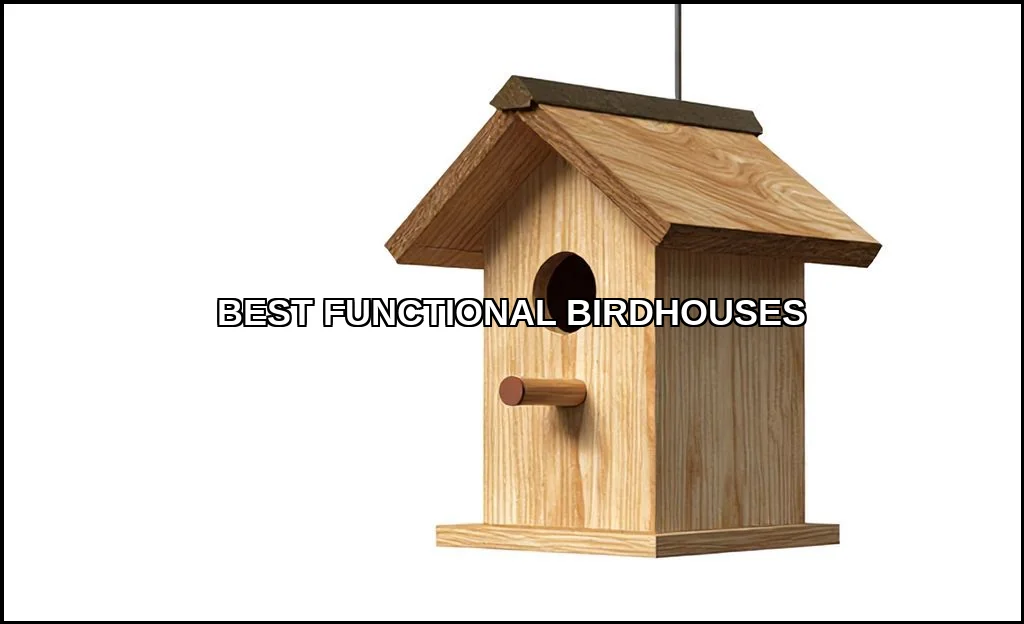
Functional Birdhouse Essentials: Beyond the Basics
What separates a decorative piece from a functional home? It’s a combination of design, material, and placement. A good birdhouse mimics a natural cavity while offering protection. This means considering ventilation, drainage, security, and accessibilityfor both the birds and you. Ignoring these can lead to abandoned nests or, worse, harm to the fledglings.
Key non-negotiable features include ventilation holes near the top to prevent overheating and drainage holes in the floor. A cleaning access panel or hinged roof is mandatory for seasonal maintenance. For safety, a predator guard around the entrance or on the mounting pole is often recommended. And it all starts with the proper entry hole size, which is the primary filter for which birds will use the house.
Key Design Features for Different Bird Species
Birds are picky tenants. A one-size-fits-all birdhouse rarely works. Your target species dictates nearly every design specification. A house perfect for a chickadee will be ignored by a bluebird or taken over by house sparrows.
Entry Hole Size & Interior Dimensions
This is your most critical specification. The hole size excludes larger, often aggressive, birds. The interior floor space and depth below the hole determine how many eggs can fit and how safe the nest feels from reach.
- Eastern Bluebirds & Western Bluebirds: Prefer a 1.5″ entry hole. The floor should be about 5″x5″ with a depth of 6-8″ from hole to floor. They are direct competitors, so knowing your local bluebird is key.
- Chickadees, Titmice, Nuthatches: Thrive with a 1-1/8″ to 1-1/4″ hole. A smaller floor (4″x4″) is sufficient.
- House Wrens: Use a 1″ to 1-1/8″ hole. They are adaptable but prefer a smaller cavity.
- Purple Martins: Require colonial housingmulti-room apartments or clusters of gourdswith entry holes of about 2-1/8″.
- Downy Woodpeckers: Need a deeper box (9-12″ interior depth) with a 1-1/4″ hole, often filled with wood chips to mimic excavating.
Wondering what is the best functional birdhouse for wrens? Look for a simple, small-cavity box with a 1″ hole, often without a perch (which can help deter sparrows).
Specialized Features for Safety & Success
Beyond dimensions, thoughtful additions boost functionality. An extended, sloped roof helps keep rain out of the entry. Rough interior walls or grooved wood below the hole helps fledglings climb out. For a best functional birdhouse with predator guard, look for models with an entrance hole recessed into a thick wood block or a metal plate guard to stop squirrels from chewing the hole larger.
Material Comparison: Wood vs. Recycled Plastic vs. Metal
The building material dictates longevity, insulation, and maintenance. Heres how the main categories stack up.
| Material | Pros | Cons | Best For |
|---|---|---|---|
| Cedar & Pine Wood | Excellent natural insulation, breathable, aesthetically pleasing. Brands like Woodlink and Heath Outdoor Products offer great cedar options. | Can warp or rot over time; may need safe, non-toxic stains for longevity. | Most songbirds; traditionalists; gardens where natural look is desired. |
| Recycled Plastic | Extremely durable, weather resistant, never rots, often features integrated easy clean access. Brands like Aspects excel here. | Can get hotter than wood in direct sun; less breathable; modern look not for everyone. | Wet climates; low-maintenance yards; how to choose a durable birdhouse for winter is easier with this material. |
| Metal (Aluminum) | Highly durable, predator-proof (especially against chewing), often used for purple martin houses. | Poor insulation (can overheat or get too cold); can be noisy; often more expensive. | Specific applications like martin houses; areas with severe squirrel or raccoon problems. |
| Gourd Birdhouses | Traditional for purple martins; provides excellent, breathable insulation. | Fragile; require annual maintenance and sealing; shorter lifespan. | Purple martin enthusiasts committed to traditional care. |
A major missing discussion point? The impact of paint or finish. If you paint a wood house, use only light, reflective colors (white, tan, gray) on the exterior to reduce heat absorption. Never paint the interior. Use only non-toxic, water-based stains or paints labeled safe for wildlife.
Installation, Placement & Maintenance Best Practices
A perfect house in the wrong spot is just garden art. Proper installation and care complete the functional cycle.
Mounting and Strategic Placement
Your birdhouse mounting options include poles, trees, or sides of buildings. Poles with a predator baffle are often safest. Placement is species-specific:
- Height: Bluebirds (4-6 ft), Wrens (5-10 ft), Woodpeckers (10-20 ft).
- Orientation: Face the entrance away from prevailing winds and afternoon sun. East or north-east is often ideal. In hot southern climates, more shade is critical.
- Spacing & Habitat: Place houses 100+ yards apart for most species (except colonial ones). Install near open foraging areas for bluebirds, in wooded areas for chickadees.
The Maintenance Cycle
A functional birdhouse that is easy to clean is a joy. You must clean out old nesting material after each brood fledges and again in late winter. This controls parasites and makes the box inviting for the next tenant.
- Wear gloves.
- Open the cleaning access panel.
- Remove all old material.
- Scrub with a mild bleach solution (1 part bleach to 9 parts water).
- Rinse thoroughly and let dry completely before closing.
This simple ritual is the most important thing you do for bird health after installation. For more detailed species guidance, consult an authority guide like the Cornell Lab of Ornithology’s site.
Top Functional Birdhouse Recommendations
Based on material, design, and user success, here are standout models across categories.
1. Aspects Cedar Birdhouse (for Bluebirds)
Pros: Made from thick cedar, includes ventilation and drainage, easy-clean side panel, proper 1.5″ hole. A classic, effective design.
Cons: Cedar will eventually weather; may need a separate pole and baffle system.
2. Woodlink Coppertop Cedar Wren House
Pros: Beautiful copper roof adds durability and style, correct 1″ hole for wrens, good cedar construction. Excellent for best functional birdhouse designs in a garden setting.
Cons: Slightly pricier; copper can get hot in sun.
3. Aspects 367 Clean-Out Birdhouse (Recycled Plastic)
Pros: The ultimate in easy clean birdhousesa pull-out tray makes cleaning effortless. Durable, weatherproof, and maintenance-free.
Cons: Modern aesthetic; plastic can feel less insulating in temperature extremes.
4. Heath Outdoor Products Gourd Rack (for Purple Martins)
Pros: Complete system with durable gourds, proper ventilation, and predator guards. The best birdhouses for bluebirds aren’t the same as for martinsthis is the specialist choice.
Cons: Expensive; requires significant space and commitment.
5. DIY Kit or Premium Wooden Bird House
Pros: Kits or quality pre-mades like the Premium Wooden Bird house offer a great middle ground. They typically feature proper construction specs and allow for personalization with safe finishes. A fantastic project for engagement.
Cons: Assembly required for kits; wood longevity depends on your weatherproofing.
For those interested in the ultimate observation tool, consider the best birdhouses with cameras to monitor your tenants without disturbance.
6. Squirrel-Proof Metal Bluebird House
Pros: Often features a chewer-proof metal entrance plate and heavy-duty construction. Solves a major predation problem.
Cons: Metal conducts temperature; can be more expensive and less attractive.
7. Simple Chickadee Slate House
Pros: Often made with a slate roof for durability and extra weight. Correct small entry hole. Blends into wooded areas beautifully.
Cons: Can be heavy; cleaning access varies by model.
Remember, attracting birds is about more than housing. It’s about creating a whole habitat. Curious about other avian friends? Learn about which parrots talk for a different kind of bird-keeping experience.
Bringing It All to Your Garden
Selecting the best functional birdhouse is a thoughtful process. Match the hole size and interior to your desired guests. Choose a material that suits your climate and maintenance appetite. Install it securely at the right height and orientation. And commit to the annual cleaning ritual. It’s a small investment of effort for a significant return: the vibrant life and song of birds successfully raising their young in a home you provided. Start with one species, get it right, and expand from there. Your garden will transform.
