
You’re heading out for a morning of birding. The pack is ready, the trail is calling, but your neck is already sore thinking about heavy optics. That’s the reality for many birders. The right pair of lightweight binoculars changes everything, turning a chore into pure joy. They’re the difference between spotting that warbler in the canopy and missing it entirely because you left your binos in the car.
This guide cuts through the noise. We’ll look at what makes a great lightweight binocular, from optical clarity to how it feels after three hours on the trail. For those seeking an immediate, budget-friendly option, many beginners find excellent value in the Occer 12×25 Compact. Its combination of high magnification and ultra-compact design is a solid starting point for casual observation.
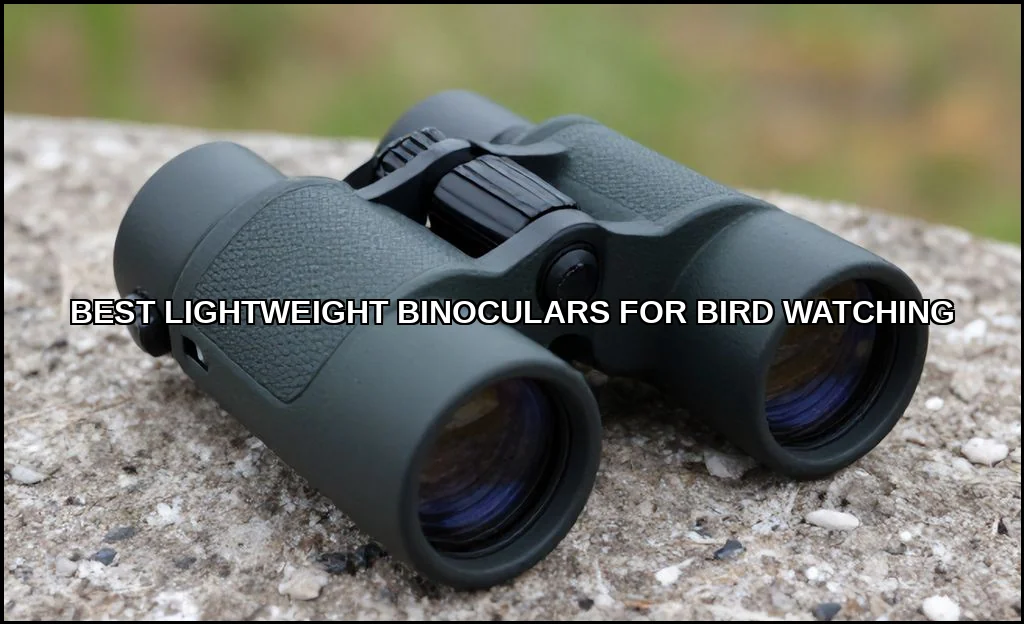
What Makes a Binocular “Lightweight” for Birding?
It’s not just a number on a scale. True lightweight design balances mass with stability. Most dedicated birding binoculars aim for under 24 ounces. Why? Anything heavier tends to cause hand shake, especially at higher magnifications. You’re trading a bit of objective lens size for all-day comfort. This portability makes them perfect companions for long hikes or travel, fitting the bill for those seeking small binoculars for hiking and birding combined.
The construction plays a huge role. A roof prism design is inherently more streamlined than a porro prism, leading to a slimmer, often lighter profile. However, the materials matter more. Magnesium alloy bodies shave ounces compared to polycarbonate, though often at a higher cost. Then there’s the armor coating. This rubberized shell protects against drops and provides a secure grip, but it adds weight. It’s a critical trade-off between durability and the grams in your hand.
Key Features to Scrutinize in Lightweight Optics
Don’t just buy by weight alone. These specifications determine your actual viewing experience in the field.
Magnification & Objective Lens: The Core Specs
For birding, 8x and 10x magnification are the sweet spots. 8x offers a wider field of view and steadier image. 10x brings you closer but amplifies hand movement. Pair this with the objective lens diameter (the second number, like 8×42). In compact binoculars, you’ll see sizes like 25mm or 32mm. Smaller objectives mean less light gathering but a lighter package. For dawn or dusk birding, you’ll want to prioritize larger objectives, even if it means a slight weight increase.
Optical Quality: Where the Magic Happens
This is where budget and premium models diverge. Look for BAK-4 prisms (superior to BK-7) and multiple lens coatings. Phase correction coating and dielectric coating are hallmarks of better birding optics. They correct light path errors and boost brightness/color fidelity. They’re non-negotiable for serious birders. Also, check the close focus distance. Can you focus on a butterfly six feet away? This matters for insects and nearby songbirds.
Ergonomics & Practical Design
How does it feel? Consider eye relief (critical for eyeglass wearers), the smoothness of the focus wheel, and the grip texture. A well-designed hinge adjusts easily to your interpupillary distance. Also, think about tripod adaptability. Even lightweight models can benefit from a tripod for prolonged stationary watching, like at a hawk watch site. Many have a hidden socket for an adapter.
- Weight & Portability: The total package, including neck strap.
- Durability & Weatherproofing: Nitrogen purging prevents fogging. O-ring seals keep out dust and moisture.
- Value Comparison: Price per ounce of performance? Sometimes spending a bit more gets you vastly better optics.
Top Lightweight Binocular Picks for Bird Watchers
These models represent the best balance of weight, optical performance, and price. They are among the best binoculars for birders who prioritize going light.
- The All-Rounder (Mid-Range): A roof prism model around 20oz with 8×32 configuration. Excellent for general birding with great light gathering. Brands like Vortex and Nikon excel here.
- The Ultra-Compact: Perfect for a pocket or as a backup. Think 8×25 or 10×25. Compromises on field of view and low-light performance for supreme portability.
- The Budget Champion: Under $150, often from brands like Celestron. You’ll find capable porro or roof prism designs that are great for lightweight binoculars under $200 for birding.
- The Low-Light Specialist: Slightly heavier but with larger objectives (e.g., 8×42) in a magnesium frame. Ideal for waterproof lightweight binoculars for coastal birding in gloomy conditions.
- The Feature-Packed: Includes extras like built-in compact binoculars with image stabilization for birds (rarer in light models) or exceptional close focus.
Detailed Comparison of Leading Models
| Model Type | Avg. Weight | Key Strength | Ideal For |
|---|---|---|---|
| Ultra-Compact (8×25) | 10-14 oz | Pocket-sized portability | Hikers, travel, backup optics |
| Mid-Size (8×32) | 18-22 oz | Best weight-to-light ratio | All-day general birding |
| Budget Roof Prism (8×42) | 22-26 oz | Maximum value & brightness | Beginner birders, what is the best lightweight binoculars for beginner bird watchers |
| Premium Lightweight (8×42) | 20-24 oz | Top-tier optics in light frame | Serious birders who hike far |
Matching Binoculars to Your Birding Style & Budget
Your habits dictate the best choice. Are you a “sit-and-wait” birder at a blind, or a “rack-up-the-miles” trail hiker? For stationary watching, you can handle slightly more weight or size for better optics. For hikers, every ounce countsprioritize compactness.
Budget is a real factor. Under $150 gets you capable, often durable optics. The $250-$500 range is where you see significant jumps in optical clarity, build quality, and warranty. Think of it as a long-term investment. And while you’re optimizing your gear, don’t forget about creating a welcoming habitat. Check out our guides on the best birdhouse setups and the best winter bird baths to support your local birds year-round.
Addressing the Often-Overlooked Details
Competitors often miss a few key points. First, the armored vs. non-armored weight trade-off. A bare magnesium body is lightest, but one drop could be costly. The armor is worth its weight. Second, consider your personal low-light needs. Birding at dawn? You might need to bump up to a 32mm or even 42mm objective, accepting a minor weight penalty. Finally, always check the warranty. A lifetime, no-fault warranty (like Vortex’s VIP program) adds immense value to any purchase.
For the most comprehensive and unbiased technical deep-dive, the Audubon Society’s official binocular guide remains an unparalleled authority guide.
The Final Verdict: Your Next Steps
Start by honestly assessing your primary use case. Handle different models if you can. Feel the weight, test the focus speed, check the eye relief. The best lightweight birding binoculars are the ones you’ll actually carry and use consistently. They should feel like a natural extension of your vision, not a burden on your chest.
Don’t get paralyzed by specs. A good 8×32 roof prism binocular from a reputable brand will serve 95% of birders brilliantly. It’s about getting you outside, focused on the feathers, not the gear. Now go find that lifer.
