
Attracting American Robins to your yard is a rewarding experience. Their cheerful song and busy nesting habits bring a garden to life. But these familiar thrushes have specific needs that differ from typical cavity-nesting birds like bluebirds or chickadees. Getting it right means understanding their unique preferences.
You can’t just hang any old birdhouse and expect a robin family to move in. They are platform nesters, preferring a sturdy shelf or open-front box to a closed cavity. This guide cuts through the confusion, detailing exactly what makes the best nesting boxes for robins, from design and placement to seasonal care. For a ready-made solution that ticks all the boxes, many birding enthusiasts start with the Cedar Robin Nesting platform. It offers the natural, open design robins favor.
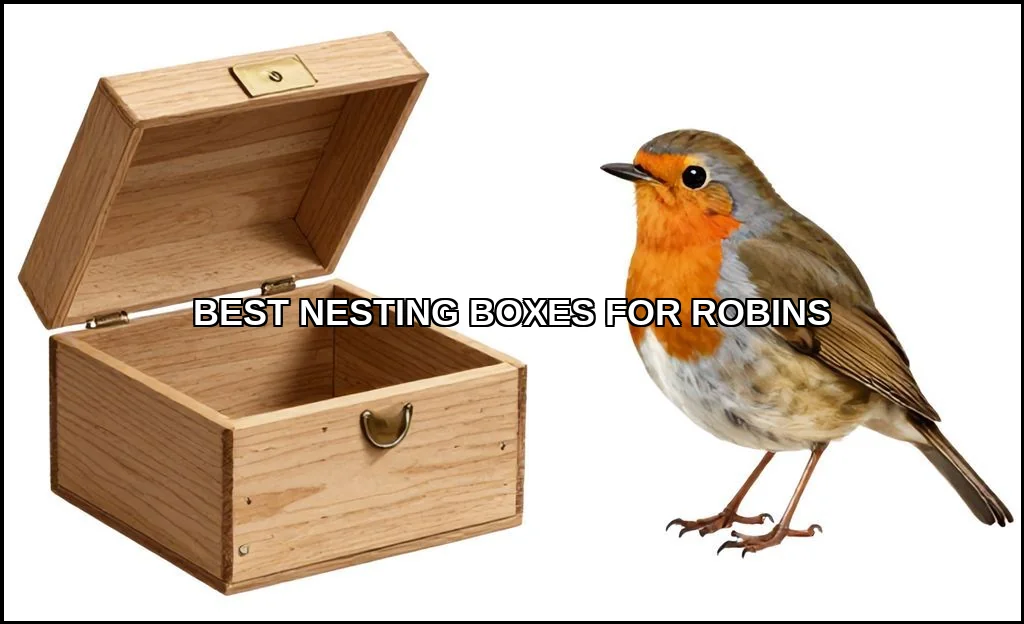
Understanding Robin Nesting Habits
The American Robin (Turdus migratorius) is not a cavity nester. This is the most critical fact. While you might install a cozy, enclosed house for wrens, a robin seeks a sturdy foundation that mimics the broad forks of trees or sheltered ledges. Their robin nesting preferences are for open, cup-shaped nests built from mud and grass.
Their nesting season can begin as early as March in warmer regions and extend through July, often producing 2-3 broods of fledglings. They are prolific builders. Recognizing this behavior is key to providing the right supporta robin nesting platform or open front nest box that gives them a secure start. Climate plays a role, too; in areas with harsh spring rains, a deeper overhang on the box can be the difference between success and a washed-out nest.
Why a Standard Birdhouse Won’t Work
Imagine being handed a sleeping bag when you need a mattress. That’s the mismatch. A traditional enclosed birdhouse feels confining and unsafe to a robin. They need visibility and easy access. This fundamental distinction is why specialized robin birdhouse designs exist. They cater to an instinct honed over millennia.
Essential Features of a Good Robin Nest Box
Choosing or building the right home isn’t complicated if you focus on a few non-negotiable specs. It’s less about fancy features and more about mimicking nature’s blueprint.
Design and Dimensions
The design is paramount. Look for a open-front design with only a partial roof and three walls, or a simple, sturdy shelf. This provides the foundation robins require. So, what size nesting box do robins need?
- Floor Size: A minimum of 6″x6″ (15cm x 15cm). They need room for their substantial nest cup.
- Depth: 8″ from the open front to the back wall is ideal. This offers protection from wind and rain.
- Overhang: A roof that extends 2-3″ over the open front shields the nest from sun and precipitation.
These nesting box dimensions create a secure, familiar space. Brands like Birds Choice and Heath Outdoor Products offer well-proportioned wooden and recycled plastic models that meet these criteria.
Materials and Safety
Material choice impacts durability and safety. Untreated, natural wood like cedar or pine is excellentit breathes and blends into the environment. Recycled plastic nest boxes are also a durable, low-maintenance option. Avoid pressure-treated lumber; chemicals can harm birds.
Predation is a major threat. A integrated predator guard or a dedicated baffle system is not optional. It’s essential. This could be a metal guard around the mounting post or a specially designed cone to thwart raccoons, cats, and snakes. Pairing your platform nest box with proper protection dramatically increases fledgling success rates.
Proper Placement and Installation Guide
You can have the perfect box, but if it’s in the wrong spot, it will remain empty. Placement is a strategic decision.
Finding the Perfect Location
Where to place a robin nesting box? Think like a robin. They favor quiet, semi-sheltered locations near familiar foraging grounds. Ideal spots include:
- Under the eaves of a garage, shed, or house.
- On a shaded tree trunk or a sturdy fence post.
- Against a wall with climbing vegetation for added camouflage.
The location should be protected from the worst midday sun and prevailing winds. Proximity to a mud source (for nest building) and a lawn or garden (for worm hunting) is a huge plus. For more on creating an attractive habitat, consider what makes other bird homes successful, like the best birdhouses with cameras for observation.
Mounting Height and Security
The ideal mounting height is between 6 to 15 feet off the ground. This keeps the nest safe from most ground threats while remaining accessible for you to monitor. Ensure the box is firmly attached and does not sway in the wind. A slight forward tilt is sometimes recommended to help shed rainwater. Remember, stability equals security in a robin’s world.
Maintenance, Cleaning, and Seasonal Care
A nesting box is not a “set it and forget it” item. Responsible stewardship ensures it remains a healthy home for years.
When and How to Clean
After each brood has fledged, and certainly after the nesting season ends in late summer, it’s time to clean. How to clean a robin nesting box is straightforward:
- Wear gloves for protection.
- Remove all old nesting material.
- Scrub the interior with a stiff brush and a solution of one part bleach to nine parts water.
- Rinse thoroughly and let it dry completely before re-mounting.
This process eliminates mites, parasites, and bacteria, giving the next family a fresh start. It’s a simple act that has a direct impact on bird health.
Seasonal Timing
Timing matters. So, when to put out robin nesting boxes? Late winter or very early spring is best. Aim for February or March, depending on your region. This gives scouters time to find it before the spring rush. In fall, after cleaning, you can leave the box up as winter shelter or take it down for storage and minor repairs. Regional variations, like the darker-headed Northwestern subspecies, may have slightly different timing, so observing local robin activity is your best cue.
Attracting Robins and Troubleshooting
Providing a good box is the first step. Encouraging them to use it is the next.
Creating an Inviting Habitat
Robins are attracted to active, resource-rich yards. Beyond the American robin house, consider:
- Providing a shallow birdbath for drinking and bathing.
- Maintaining a pesticide-free lawn or garden area where they can forage for earthworms and insects.
- Planting native berry-producing shrubs like juniper or dogwood for a late-season food source.
Your yard becomes a one-stop shop. For insights into other bird behaviors, like vocalization, you might explore resources on which parrots talka different but fascinating aspect of avian attraction.
Common Issues and Solutions
What if they don’t come? Troubleshoot. Is the box too exposed? Add a nearby shrub for cover. Are predators a visible threat? Install a baffle immediately. Are house sparrows taking over? You may need to temporarily remove their nests until they move on (check local regulations). Persistence and small adjustments pay off. Sometimes, success is just a matter of waiting for the right pair to discover your offering. For comprehensive species information, the Cornell Lab of Ornithology serves as an excellent official source.
DIY Considerations
If you’re handy, building your own robin nest box is a fulfilling project. Focus on the essential dimensions listed earlier. Use 3/4″ untreated wood. A simple material list includes: a backboard, a floor, two sides, a roof, and screws. Ensure all interior surfaces are rough or have grooves to help the chicks climb out. The key is a robust, simple constructionno fancy joinery needed. This DIY approach lets you customize the robin nesting shelf perfectly for your specific site.
Welcoming American Robins is about respecting their nature. It requires the right open home, placed thoughtfully and maintained conscientiously. It’s a partnership. You provide the real estate; they provide the vitality. Start by getting the fundamentals righta proper platform, safe placement, and a clean environment. Do that, and you’re not just hanging a box. You’re setting the stage for seasons of activity, from the first mud-carrying trip to the triumphant flutter of fledglings. The reward is in the watching.
