
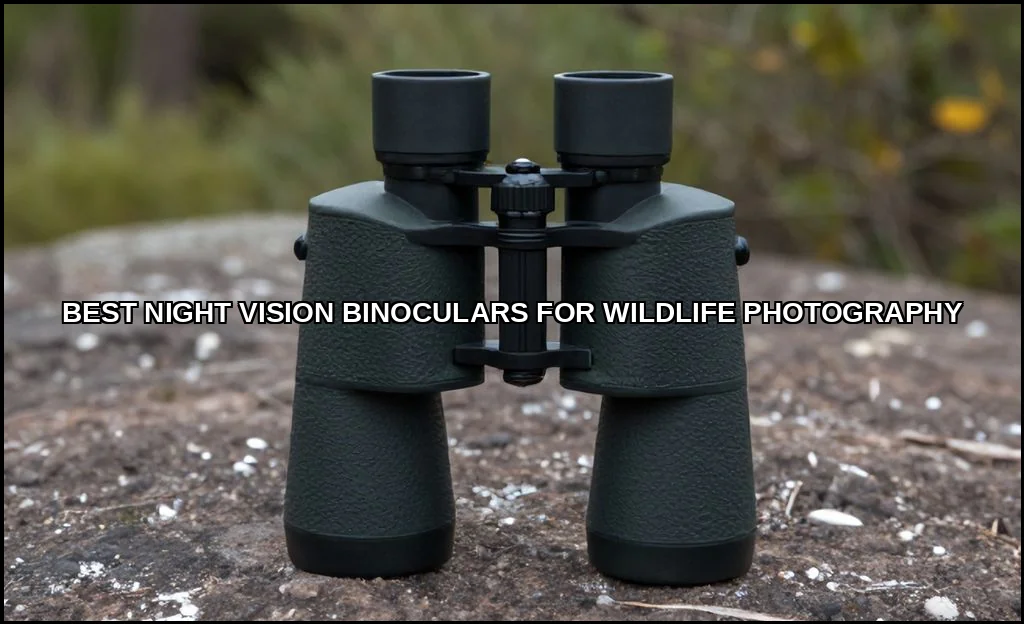
Capturing the secret lives of nocturnal wildlife is a unique thrill. It transforms a dark forest or quiet meadow into a stage for nature’s most elusive performers. But standard camera gear fails in near-total darkness. That’s where specialized optics come in, bridging the gap between human limitation and animal activity. For enthusiasts looking to enter this realm, a solid starting point is the HEXEUM Night Vision binoculars, which offer a balanced feature set for beginners and intermediate users without a massive investment.
Key Features for Wildlife Photography
Not all night vision is created equal, especially when your goal is clear, usable photos or video. You need to look beyond the basic promise of “seeing in the dark” and evaluate specific performance metrics.
Core Technology: Digital vs. Analog & Thermal
The fundamental choice is between digital night vision, traditional analog (Gen 1, 2, 3), and thermal imaging. For most wildlife photographers, digital is the most practical. It uses an image sensor (like in a camera) to amplify available light, often includes digital zoom and recording capability right out of the box, and is more affordable. The debate of digital vs analog night vision for photography often ends here for hobbyistsdigital’s versatility wins. Analog units, categorized by Generation (Gen), offer exceptional low light performance and clarity but are expensive and lack built-in recording. Thermal imaging binoculars detect heat signatures, making them fantastic for spotting animals through brush but providing less detail for identification.
Essential Performance Specs
Once you’ve chosen a technology, drill into these specs:
- Magnification & Objective Lens: Higher magnification isn’t always better. It narrows the Field of View (FOV) and amplifies hand shake. A 3-5x magnification with a large objective lens (40mm+) often works best for scanning and stability.
- Infrared (IR) Illuminator: This is your built-in flashlight for total darkness. A powerful, adjustable IR illuminator is non-negotiable. It lights up the scene invisibly to wildlife, but be mindfulsome species might detect the near-Infrared Spectrum.
- Sensor Resolution & Low Light Performance: Measured in pixels or TV lines. Higher resolution means clearer images. Look for specs on the minimum illumination needed (e.g., 0.001 lux).
- Recording Capability: If you want night vision binoculars with camera for recording wildlife, check video resolution (1080p minimum), audio, and storage type (microSD).
Other critical entities include Battery Life for long nights in the field and Water Resistance for dealing with dew or unexpected weather. Brands like ATN, Bushnell, and Pulsar often lead in these areas.
Top Night Vision Binoculars for Wildlife (2024)
This list considers a mix of technologies and budgets, focusing on features that serve a wildlife observer or photographer directly.
| Model | Type | Key Features for Wildlife | Best For |
|---|---|---|---|
| ATN BinoX 4T | Digital/Thermal Fusion | Dual-stream video, ballistic calculator, HD recording. Seamlessly blends thermal spotting with digital detail. | Serious enthusiasts & researchers needing the ultimate in detection and identification. |
| Bushnell Equinox Z2 | Digital Night Vision | Excellent 1080p recording, 4.5x magnification, built-in rangefinder. Robust and reliable. | All-around wildlife observation and clear video capture. |
| Pulsar Accolade 2 LRF XP | Thermal Imaging | High-resolution thermal sensor, built-in laser rangefinder, wide FOV. Exceptional for spotting at long range. | Spotting heat signatures through dense cover or in complete darkness. |
| AGM Global Vision Asp-Micro | Digital Night Vision Monocular | Compact, lightweight, Wi-Fi streaming to phone. A versatile night vision monocular that’s easy to pack. | Backpackers and hikers prioritizing portability. |
| Budget-Friendly Digital Binocular | Digital Night Vision | Basic 1080p recording, built-in IR, 3x magnification. Gets the job done without complexity. | Beginners testing the waters of nocturnal wildlife observation. |
This specification comparison chart highlights the trade-offs. Your choice between a premium digital model and a dedicated thermal imaging unit depends on whether you prioritize identifying individual feathers or simply finding an animal in the woods.
Using Your Gear for Optimal Results
Great gear is only half the battle. Technique and ethics complete the picture.
Field Techniques
Start by letting your eyes fully adjust to the darkit takes about 30 minutes. Use the lowest necessary digital zoom and IR power to reduce noise and conserve battery. Support your elbows on your knees or a tripod adapter; image stabilization is rare in night vision. For best night vision binoculars for bird watching at night, practice panning smoothly to track fast, small subjects against the sky.
The Critical Missing Pieces: Ethics & Law
This is where many guides fall short. Always prioritize Ethical Wildlife Viewing Guidelines. Never use white light or harass animals. Your presence should not alter their natural behavior. Crucially, research Local Regulations on Night Vision Use. Using night vision or thermal optics for hunting is heavily regulated or illegal in many areas, even for observation in protected parks. The National Park Service offers an excellent official source for responsible practices.
From Capture to Final Image
The raw footage from your night vision binoculars often needs help. This is where Post-Processing Software for Night Vision Footage comes in. Tools like Adobe Lightroom, Premiere, or even DaVinci Resolve can adjust contrast, reduce grain, and sharpen details. It’s the digital darkroom for your nocturnal adventures.
Your Questions Answered
Can I use night vision binoculars for daytime birding?
Most digital and Gen 3+ analog devices can be used in daylight without damage, but the image may be overly bright or lack color fidelity. They’re specialized tools. For daytime, traditional optics are superior. If you’re curious about daytime avian hobbies, explore our guide on the best birdhouses with built-in cameras.
How far can I see with night vision binoculars?
Range depends on Generation (Gen), Magnification & Objective Lens size, and ambient light. With a strong IR illuminator, identifying a deer might be possible at 100-200 yards. Thermal can detect large heat signatures much farther, but identification range is shorter.
What’s better for beginners: binoculars or a monocular?
A night vision monocular or starlight scope is often cheaper and more portable, making it a great starter tool. Binoculars provide depth perception and are less straining for long observation sessions. Consider how you’ll use your low light photography gear most often.
Whether you’re deciphering which owl is hooting or tracking a fox’s path, the right night vision opens a hidden world. Start with clear priorities, invest in key features like a good sensor and IR illuminator, and always practice respectful observation. The night is waiting.
