You’re thinking about getting a parrot that talks. It’s a classic dream, right? The image of a feathered friend perched on your shoulder, engaging in witty banter. But not all parrots are created equal when it comes to speech. Some are born chatterboxes, while others prefer to communicate in whistles and squawks. Your success hinges on picking the right species and understanding what drives their incredible ability to mimic.
Before you dive into species lists, consider your own lifestyle. A talking parrot is a decades-long commitment that requires immense patience. For those just starting their research, a helpful tool can be the Talking Parrot No. It’s a simple, interactive toy that can give you a glimpse into the world of avian mimicry and engagement before you bring a live bird home. It’s not a replacement, but a great first step.
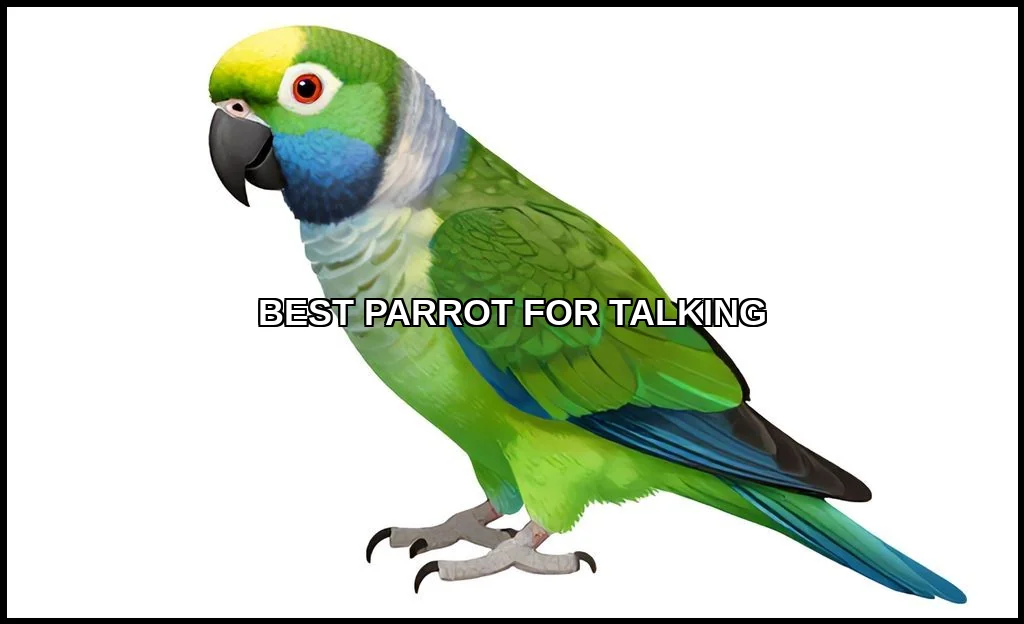
Top 5 Best Parrots for Talking (Ranked List)
Let’s cut to the chase. Which species deliver on the promise of speech? This list ranks them not just on potential, but on clarity, consistency, and overall aptitude for human language.
1. African Grey Parrot
The undisputed champion. The African Grey talking ability is legendary, often compared to a young child’s. They don’t just mimic words; they understand context and use them appropriately. Their parrot vocabulary size can reach into the hundreds, even thousands, of words and phrases. They are the quintessential intelligent talking parrots. However, their genius comes with high emotional needs.
2. Amazon Parrots
Particularly the Yellow-naped, Double Yellow-headed, and Blue-fronted Amazons. These are the boisterous orators of the parrot world. They speak with remarkable clarity and often have a fondness for singing. They’re incredibly social and love being the center of attention, which fuels their desire to communicate. For a deeper dive on top talkers, you can explore this resource on which parrots excel.
3. Eclectus Parrot
A strong contender known for clear, sweet, and often soft-spoken speech. Both males and females can be excellent talkers. They tend to be less ear-piercing than some Amazons, making them a favorite for those who prefer a more melodious companion. Their calm demeanor can make them one of the clear talking birds for a slightly quieter household.
4. Budgerigar (Budgie/Parakeet)
Don’t let their size fool you. The humble budgie holds the world record for the largest bird vocabulary. While their tiny voices can be a bit gravelly, their capacity for learning is immense. They are arguably the easiest parrot to teach for beginners on a budget, answering the common long-tail query: what is the easiest parrot to teach to talk for beginners? With consistent budgie talking tips, they can become charming little chatterboxes.
5. Indian Ringneck Parakeet
These sleek, intelligent birds are gifted mimics with exceptionally clear voices. They can master long sentences and intricate sounds. Their talking prowess has made them wildly popular. They are a fantastic answer to “which small parrot talks the best for apartments?” though their natural call can be sharp, and they require dedicated socialization to stay tame and engaged.
Key Factors: What Makes a Parrot a Good Talker?
It’s not magic. Several biological and behavioral traits separate the most talkative parrot species from the rest.
- Intelligence: This is the bedrock. Species like African Greys possess cognitive abilities that allow for associative learning and contextual understanding, not just parroting sounds.
- Anatomy: A syrinx (the bird’s vocal organ) capable of intricate sound reproduction is key. Some birds are physically better equipped for clear speech.
- Mimicry as Instinct: In the wild, parrots that mimic speech are actually mimicking flock sounds. This innate drive to fit in is redirected to human speech in captivity. For the fascinating science behind this, the Audubon Society offers an excellent authority guide on how birds talk.
- Social Nature: The bird talking breeds are typically highly social flock animals. They use vocalization to bond. Your family becomes their flock.
Care & Training: How to Encourage Speech
Owning a talented species is only half the battle. Your environment and methods will determine their potential.
Creating a Speech-Ready Environment
A stressed or bored bird won’t talk. Focus on core care first. This includes a spacious cage, a nutrient-rich diet (pellets, veggies, some fruit), and mental stimulation. For travel to the vet or new environments, using the best carrier for safe transport reduces stress, which is crucial for any talking bird’s well-being.
Remember the cost of a talking parrot vs a quiet one isn’t just purchase price. It’s decades of high-quality food, vet care (avian vets are specialists), toys, and your time.
Effective Parrot Speech Training Techniques
Formal training sessions should be short, positive, and fun. Heres a simple framework:
- Start Simple: Choose a short word like “Hello” or their name. Say it clearly and enthusiastically when they are calm and attentive.
- Consistency is King: Repeat the word multiple times in a row. Do this several times a day. Morning and evening are often good, alert times.
- Use Context: Say “Hello” when you enter the room. Say “Goodnight” when you cover the cage. This builds associative learning.
- Reward Attempts: Any attempt at mimicking the sound should be met with immediate praise and a tiny treat. This positive reinforcement is everything.
- Be Patient: It can take weeks or months for the first clear word. Never punish or show frustration. For specific guidance on a top species, many owners search for how to train an African Grey parrot to speak clearlythe principles are the same, just applied with extra patience for their thoughtful nature.
The ultimate goal is to make talking a rewarding, social game for your bird. It’s about your bond.
FAQs: Choosing Your Talking Companion
Are male or female parrots better talkers?
In some species like Budgies and Eclectus, males are statistically more likely to talk. However, in top talkers like African Greys and Amazons, both sexes have equal potential. Individual personality matters more than gender.
What if my parrot never talks?
You must be okay with this possibility. Even within a gifted species, some individuals simply choose not to. Your bird’s value isn’t in its vocabulary. Enjoy their personality, whistles, and companionship regardless.
Can older parrots learn to talk?
Yes, but it’s generally easier with younger birds. An older, rehomed bird may have existing vocabulary or can learn new words with time and trust. The key is their willingness to bond with you.
Is a talking parrot louder?
Not necessarily. A talking parrot often vocalizes differently. They replace some natural contact calls with learned words. However, all parrots can be loud. Speech doesn’t eliminate their natural need to vocalize, especially at dawn and dusk.
Choosing the best parrot for talking is a journey that starts with realistic expectations. Match the species’ needs to your lifestyleyour time, space, and budget. The best mimic bird in the world will remain silent in a neglectful or stressful home. Success springs from consistent, positive socialization and viewing speech as a delightful bonus to a profound interspecies friendship, not the sole purpose of it. Do your homework, prepare your home, and you might just gain a conversationalist for life.
