
You’re looking for a birdhouse that lasts. One that doesn’t rot, splinter, or become a carpenter’s buffet for woodpeckers. Welcome to the world of recycled plastic birdhouses. These aren’t your average garden ornaments. They’re a smart fusion of wildlife support and environmental responsibility, turning post-consumer waste into durable, maintenance-free homes for your feathered neighbors.
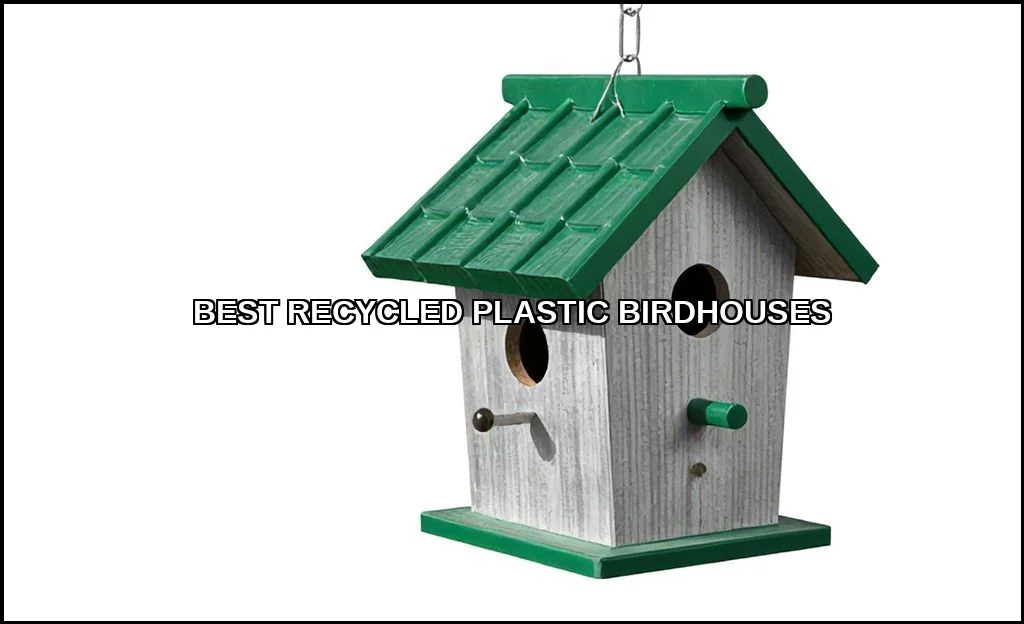
The shift towards sustainable garden decor is more than a trend. It’s a practical choice for eco-conscious birders. A high-quality recycled plastic bird feeder or house offers incredible longevity. For a standout option that checks all the boxes, many enthusiasts are turning to the Kingsyard Recycled Plastic birdhouse. It exemplifies the modern approach: crafted from post-consumer recycled plastic, it’s designed to be a predator-resistant, weatherproof bird shelter that looks great for years.
Top 5 Recycled Plastic Birdhouse Reviews 2024
We’ve evaluated the market, focusing on durability, design, and true eco-credentials. Here are five top performers that redefine what a recycled materials bird home can be.
1. The All-Rounder: Kingsyard Recycled Plastic Birdhouse
This model sets a high bar. Made from sturdy recycled HDPE plastic lumber, it boasts a classic design with hidden perks. The integrated ventilation and drainage holes are cleverly designed to prevent waterlogging while keeping nests cool. Its assembly is tool-free, a huge plus. It’s a prime example of a durable outdoor birdhouse that requires virtually no upkeep, making it perfect for bluebirds, chickadees, and other cavity-nesting birds.
2. The Conservationist’s Pick: Recycled Ocean Plastic Avian Abode
A newer category addresses ocean waste. Brands are now creating birdhouses from intercepted ocean-bound plastics. These products carry a powerful story, transforming pollution into a safe eco-conscious bird shelter. They often feature the same UV protection and durability as other recycled HDPE birdhouse options but with an added layer of environmental impact. Perfect for those who want their garden to support both local wildlife and global cleanup efforts.
3. The Tech-Integrated Model: Modular Birdhouse with Solar Features
Why stop at recycled materials? The latest innovations include modular/reconfigurable designs and integrated solar panels. Imagine a birdhouse where you can attach a small solar-powered camera to watch the nesting season unfold. This bridges the gap between green birding products and modern technology, offering an unparalleled viewing experience. It answers the question for those looking for the best birdhouses with cameras in a sustainable package.
4. The Brand Leader: Aspects Recycled Plastic Chalet
Brands like Aspects have long been trusted in birding. Their recycled plastic models are engineering marvels. They focus on precise entry hole sizes to target specific species and often include easy-clean access panels. The use of plastic lumber ensures these houses withstand decades of sun, rain, and snow without warping. It’s a maintenance-free investment from a company known for quality wildlife conservation products.
5. The Traditionalist’s Upgrade: Woodlink Recycled Plastic Cabin
Woodlink offers designs that mimic classic wooden birdhouses but with all the benefits of post-consumer plastic. This is an excellent choice for anyone conducting a mental recycled vs wood birdhouse durability comparison. You get the rustic aesthetic without the rot, mold, or insect damage. Their attention to detail, like proper perch placement and overhanging roofs, shows a deep understanding of bird needs.
Key Features Comparison Table
| Feature | Why It Matters | What to Look For |
|---|---|---|
| Material Source | Defines environmental impact. | Post-consumer recycled plastic or ocean plastic. Higher percentages are better. |
| Durability & UV Protection | Prevents fading and brittleness. | Look for mentions of UV-stabilized recycled HDPE or plastic lumber. |
| Ventilation and Drainage | Critical for chick health and nest dryness. | Multiple small holes near the top and bottom. Not just one drain hole. |
| Access for Cleaning | Promotes hygiene between broods. | A side or front panel that opens easily. This is key for knowing which birds might visit, as a clean house is an attractive one. |
| Predator-Resistant Design | Protects eggs and nestlings. | No perches below the entry (helps birds), sturdy construction cats can’t claw open. |
Benefits of Choosing Recycled Plastic
The advantages go beyond just being “green.” They offer tangible, practical benefits for you and the birds.
- Unmatched Longevity: They won’t rot, crack, or degrade like wood. A single house can last for 20+ years, making it a true heirloom piece of sustainable garden decor.
- True Maintenance-Free Operation: No annual staining, sealing, or sanding. A quick rinse is usually all that’s needed, answering the common query of how to clean a recycled plastic birdhouse.
- Superior Safety and Hygiene: Non-porous plastic doesn’t harbor mites, mold, or bacteria like wood can. This directly addresses the concern: are recycled plastic birdhouses safe for birds? The answer is a resounding yes, often safer than untreated wood.
- Consistent Insulation: Plastic lumber provides stable insulation, keeping nests cooler in summer and warmer in spring chills compared to thin wood.
- Direct Environmental Action: Every house diverts plastic from landfills or oceans. You’re creating a market for recycled materials, closing the loop.
Buying Guide: How to Choose the Right One
Selecting the perfect eco-friendly birdhouse involves more than picking a cute design. Follow these steps to make an informed choice.
1. Match the House to Your Local Birds
This is the first rule. An entry hole that’s too big is an invitation to invasive species. Research the cavity-nesting birds in your area. For instance, if you’re looking for the best recycled plastic birdhouse for bluebirds, you need a specific floor space and a 1.5-inch entry hole. A great official source for species-specific dimensions is the Audubon Society.
2. Scrutinize the Material Details
Not all recycled plastic is equal. Look for specifics:
- Type: Recycled HDPE (High-Density Polyethylene) is the gold standard. It’s food-safe, incredibly durable, and weather-resistant.
- Source: “Post-consumer” means it came from used items like milk jugs. This is more impactful than post-industrial scrap.
- UV Treatment: Ensure it’s mentioned. Without it, plastic can become brittle over years in the sun.
3. Prioritize Functional Design Over Aesthetics
A pretty house is useless if it’s a death trap. Essential features are non-negotiable:
- Proper Ventilation and Drainage: As highlighted in our table.
- Easy Cleaning Access: A must for post-nesting season care.
- A Secure Mounting System: Can it be firmly attached to a pole or tree without swaying?
4. Consider Future-Forward Features
Look at brands pushing boundaries. Modular/reconfigurable designs allow you to adapt the house for different seasons or species. Solar-powered features for lighting or cameras add a whole new dimension to birdwatching, merging tech with conservation seamlessly.
The journey from a plastic bottle to a bustling bird home is a powerful narrative. Choosing a recycled plastic birdhouse is a simple, effective act of stewardship. You provide a safe, predator-resistant, and permanent sanctuary for wildlife while actively reducing plastic waste. Its a win for your garden’s ecosystem and the planet’s. Start by identifying the birds you wish to host, then select a well-designed house that will stand as a testament to sustainable care for generations of feathered families to come.
