Bringing a talking parrot into your home is an exciting prospect. It’s a unique blend of pet ownership and a fascinating, interactive hobby. But for a first-time owner, the sheer number of species and their varying needs can be overwhelming. You want a companion that can chat, but you also need a bird whose care you can confidently manage.
Success hinges on matching the right bird to your lifestyle. It’s not just about finding the easiest parrot to talk; it’s about finding a species whose species temperament, lifespan, and noise level fit your home. Modern tools can even help the training process. For instance, many trainers find that devices like the HWD Voice-Activated Induction can provide consistent audio cues when you’re not in the room, reinforcing lessons on clear pronunciation and vocal clarity.
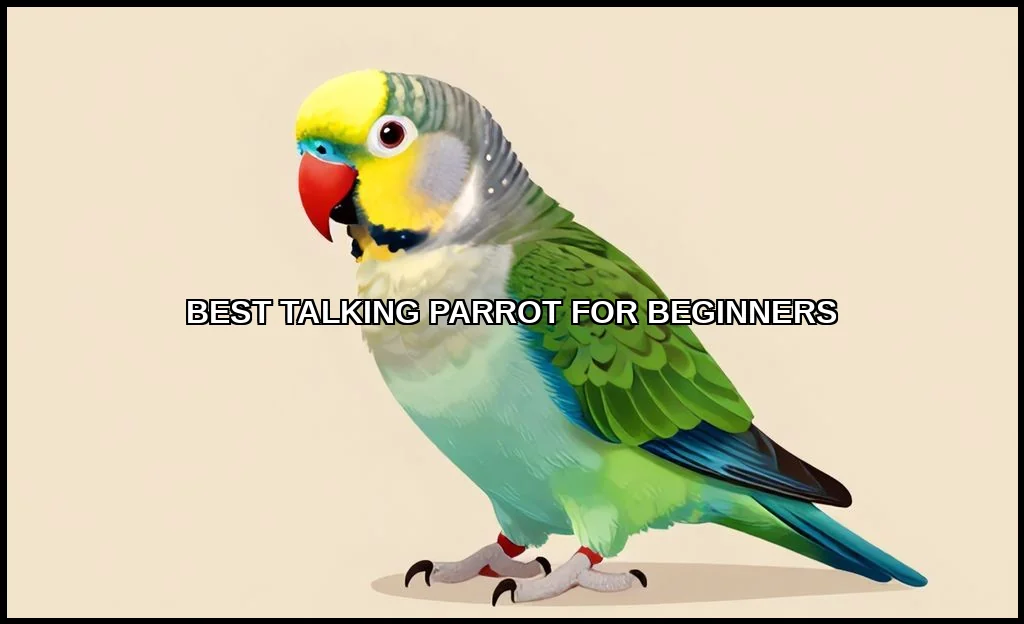
Top 4 Best Talking Parrot Species for Beginners
Let’s cut through the noise. While hundreds of parrot species that mimic speech exist, only a handful are consistently considered beginner friendly talking birds. This list balances talking potential with overall manageability.
1. Budgerigar (Budgie)
Often underestimated, the budgie is a powerhouse of mimicry ability in a small package. They hold world records for vocabulary size. Their voices are small and often a bit garbled, but their enthusiasm is unmatched.
- Talking Potential: High vocabulary, lower clarity. They learn quickly and love to chatter.
- Species Temperament: Playful, social, and relatively low-drama. They can be kept singly (with lots of interaction) or in pairs.
- Why It’s Great for Beginners: They are arguably the cheapest talking parrot for beginners to acquire and maintain. Their small size makes them a contender for the best talking parrot for apartments.
2. Cockatiel
The cockatiel is the quintessential gentle soul of the parrot world. While not known for extensive vocabularies, they excel at whistling tunes and can learn a few words with clear, soft voices.
- Talking Potential: Moderate. Whistling is their forte, but some males become proficient talkers.
- Species Temperament: Affectionate, curious, and generally placid. They are less demanding than larger parrots.
- Why It’s Great for Beginners: Their sweet nature and relatively simple care make them one of the most forgiving first birds. They are a true low maintenance talking parrot option in terms of emotional and spatial needs.
3. African Grey Parrot
This is the intellectual. African Greys, especially the Congo subspecies, are often hailed as the best talking bird for first time owner who is prepared for a serious, long-term commitment. Their vocal clarity is unnervingly human-like.
- Talking Potential: Exceptional. They don’t just mimic; they often use words in context.
- Species Temperament: Sensitive, observant, and can be prone to stress and feather-plucking if bored or neglected.
- Why It’s Great for Beginners (with a caveat): For the dedicated beginner who has done extensive research, their unparalleled intelligence is the reward. They are not low-maintenance, but their talking ability is the gold standard. For a deeper dive on top talkers, our guide on which parrots talk best explores this further.
4. Amazon Parrot
Amazons are the extroverted performers. Species like the Yellow-naped or Double Yellow-headed Amazon are famous for loud, clear speech and a love for singing.
- Talking Potential: Very High. They have excellent clarity and often enjoy “holding court.”
- Species Temperament: Playful, charismatic, but can be loud and go through a hormonal “bluffing” stage.
- Why It’s Great for Beginners: For someone wanting a larger, highly interactive bird with superb talking skills, an Amazon is a fantastic choice. Their predictable care needs (though complex) and robust personality make them engaging pets.
Comparing Talking Ability & Care Requirements
Choosing isn’t just about who might say the most words. It’s a practical balance of ability and responsibility. This parrot talking ability comparison table lays it out side-by-side.
| Species | Mimicry Ability & Clarity | Care Difficulty | Noise Level | Average Lifespan |
|---|---|---|---|---|
| Budgerigar | High ability, moderate clarity | Low | Low-Medium (chatter) | 7-15 years |
| Cockatiel | Moderate ability, good clarity | Low | Low-Medium (whistles) | 15-25 years |
| African Grey | Exceptional ability & clarity | High | Medium (but very articulate) | 40-60 years |
| Amazon Parrot | High ability & clarity | Medium-High | High (can be very loud) | 40-60 years |
Ask yourself: what is the easiest talking parrot to care for in my specific situation? A busy apartment dweller might find a budgie’s chatter charming, while a retired person with a quiet house might thrive with an African Grey’s intellectual demands. Don’t forget practicalities like travel; having a secure best bird carrier is essential for vet visits, regardless of species.
How to Train Your Parrot to Talk
Teaching a parrot to talk is less about formal training and more about consistent, positive interaction. Patience is your most important tool.
Setting the Stage for Success
Your bird must be comfortable, tame, and view you as a source of good things. Training won’t work with a scared, untamed bird. Focus on bonding first.
The Step-by-Step Process
- Start Simple: Choose a short word or phrase. “Hello,” “Step up,” or their name are great starters. Use a happy, enthusiastic tone.
- Be Consistent: Say the word clearly every time you interact in a related context. Greet them with “Hello!” when you uncover the cage.
- Use Positive Reinforcement: The moment they attempt the sound (even a garbled version), immediately reward them with a favorite treat and praise. This links the behavior to a positive outcome.
- Keep Sessions Short: Five to ten minutes, a few times a day, is far better than one long, frustrating session. Birds have short attention spans.
- Involve the Household: Get everyone to use the same words. Consistency from multiple people accelerates learning.
For a scientific look at avian vocal learning, the Audubon Society has an excellent authority guide on bird speech that explains the “why” behind the “how.”
FAQs About Beginner Talking Parrots
What is the single best talking parrot for a complete novice?
If we’re defining “best” as the combination of high talking likelihood, easy care, and forgiving nature, the male budgie often wins. But “best” is personal. The cockatiel might be the best choice for someone prioritizing a cuddly temperament over a huge vocabulary.
How do I choose a talking parrot as a pet?
Look beyond the talking. Assess your budget (initial cost, large cage, vet bills), time (2+ hours of daily interaction minimum), space, and tolerance for noise and mess. Then, match a species’ needs to your lifestyle. Visit breeders or rescues to meet different birds in person.
Will any parrot guaranteed to talk?
No. Absolutely not. Even within a species known for talking, individuals vary. Some never utter a word. You must want the bird for its own sake, with talking as a potential bonus. Focusing solely on this skill is a recipe for disappointment.
Are larger parrots always better talkers?
Not always. While larger parrots like Greys and Amazons have incredible clarity and cognitive ability, the tiny budgie can learn a larger number of words. It’s a trade-off between volume, clarity, and vocabulary size.
The journey to finding your feathered conversationalist starts with honest self-assessment. Your perfect match isn’t necessarily the bird with the most impressive demo video online. It’s the one whose needs for companionship, mental stimulation, and care you can reliably meet for decades. Whether it’s the cheerful chatter of a budgie or the profound companionship of an African Grey, the right bird will enrich your life far beyond the words it learns to say. Start with realistic expectations, commit to their lifelong care, and enjoy the unique dialogue that follows.
