
Choosing a family pet is a big decision. When a talking parrot enters the conversation, the excitement is real. These intelligent birds can become beloved, interactive members of the household. But not every parrot species fits a busy family life. You need a bird with the right blend of talking talent, gentle nature, and manageable care.
The key is matching the bird’s needs to your family’s lifestyle. It’s about more than just finding a parrot that talks clearly. You must consider noise, lifespan, and that all-important child-safe temperament. For those curious about the spectrum of avian chatter, our guide on which parrots talk offers a deeper dive. Meanwhile, interactive toys like the XiuLiFeiFei Mimicry Pet can be fantastic for mental stimulation, especially during initial training phases.
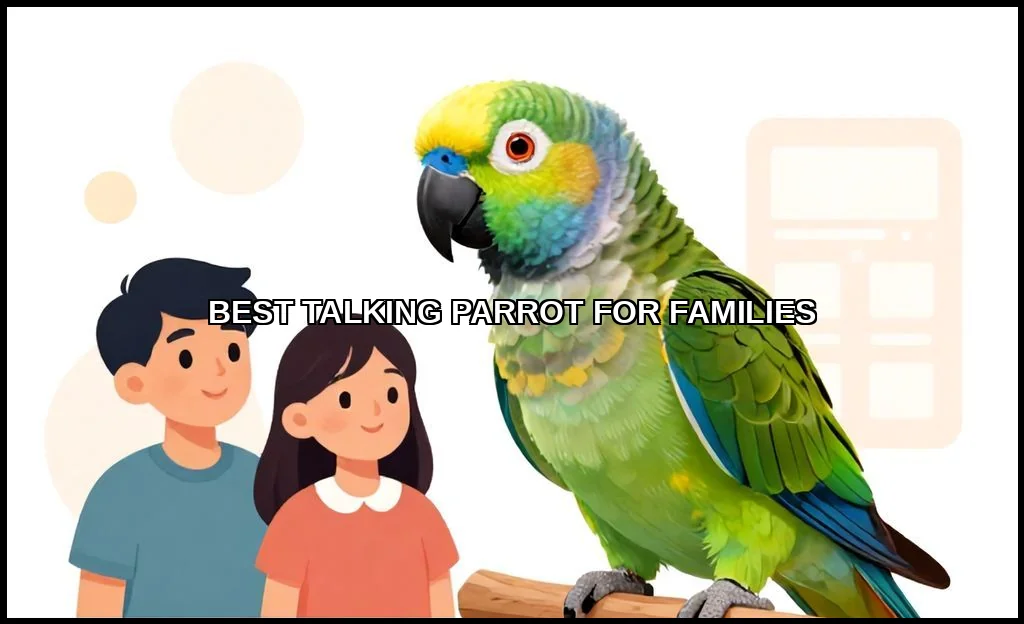
Top 5 Talking Parrots for Family Homes
Let’s break down the leading contenders. Each has unique strengths for a family setting.
1. The African Grey: The Einstein of Parrots
Renowned for exceptional intelligence and uncanny speech clarity. An African Grey family pet can build a vast vocabulary and understand context. Their cognitive ability rivals a young child’s. However, they demand immense mental engagement and can be sensitive to chaotic environments.
- Talking Ability: Exceptional. Known for clear, contextual speech.
- Temperament: Sensitive, thoughtful, can be aloof or one-person oriented.
- Best For: Experienced bird families or those ready for a profound, decades-long lifespan commitment (50+ years).
2. The Budgerigar (Budgie): The Surprising Chatterbox
Don’t let their small size fool you. Budgerigar talking ability is impressive for their stature. They are often the best pet bird for kids starting out. Affordable, relatively low-maintenance, and cheerful. Their voices are often high-pitched but distinct.
- Talking Ability: Very good, especially male budgies. Large vocabularies are possible.
- Temperament: Playful, social, and less intimidating due to size.
- Best For: First-time bird owners, families with limited space, and those seeking an affordable talking bird.
3. The Cockatiel: The Whistling Companion
A quintessential family friendly parrot. Cockatiel mimicry leans more toward whistles and sounds than clear words, but some learn phrases. Their gentle, affectionate nature and crest expression win hearts. They are generally quieter than larger parrots, suiting apartments.
- Talking Ability: Moderate. Excellent whistlers, some clear speech.
- Temperament: Affectionate, gentle, and less demanding.
- Best For: Families wanting a quieter, cuddly companion. A great choice for a quiet talking parrot for apartment families.
4. The Amazon Parrot: The Confident Performer
Known for loud, clear voices and bold personalities. Amazon parrot temperament is often described as “in your face” and playful. They thrive on social interaction and can be wonderfully engaging. However, their high energy and volume require a tolerant household.
- Talking Ability: Excellent. Clear, loud, and often musical.
- Temperament: Boisterous, playful, and strongly bonded.
- Best For: Active, loud families who can match their energy and provide firm, loving boundaries.
5. The Quaker Parrot: The Clever Compact
Exceptionally smart and known for good speech. Quaker parrot noise level is moderate but constant; they enjoy a good chatter. They are active and can be territorial about their cage. Their intelligence makes them an easy to train parrot for motivated owners.
- Talking Ability: Very good. Clear speech and mimicry.
- Temperament: Intelligent, active, and can be nippy if not properly socialized.
- Best For: Families committed to consistent training and providing ample out-of-cage time.
Key Factors: Temperament, Noise, and Care Difficulty
Beyond species, three pillars determine family compatibility.
Temperament & Suitability with Children
A gentle parrot species is non-negotiable. Look for birds known for patience and lower aggression. Always supervise interactions. Teach children to read bird body languageflattened feathers, pinned eyes, and raised wings are warnings. The bond between a child and a parrot can be magical, but it’s built on mutual respect.
Noise Level & Household Harmony
Parrots vocalize. It’s what they do. Morning and evening calls are natural. Species like Cockatiels and Budgies are on the quieter end. African Greys and Amazons can produce ear-piercing contact calls. Consider your neighbors and your family’s noise tolerance. There’s no truly silent parrot.
Daily Care & Time Commitment
This is the hidden workload. It answers what is the easiest talking parrot to care for? Smaller birds like Budgies generally have simpler needs.
- Daily: Fresh food/water, cage cleaning, 1-3 hours of social time.
- Weekly: Thorough cage scrub, toy rotation.
- Ongoing: Veterinary care (find an avian vet!), diet management, and continuous training.
Proper equipment, like a secure and comfortable best bird carrier, is part of responsible care for vet visits or travel.
Training Your Parrot to Talk: Tips for Success
Training is less about forcing speech and more about positive reinforcement. Start young, if possible. Be consistent.
- Start Simple: Use clear, short words like “Hello” or the bird’s name. Repeat enthusiastically.
- Timing is Everything: Train during calm, one-on-one moments. First thing in the morning often works well.
- Reward Attempts: Praise and offer a tiny treat for any mimicking sound, not just perfect words.
- Make it Social: Parrots learn from their flock. Have different family members repeat the same words.
- Patience, Patience, Patience: Progress can take weeks or months. Never punish for not talking.
Remember, not every individual will talk. Their personality plays a huge role.
Cost Breakdown: Initial Price vs. Lifetime Expenses
The purchase price is just the entry fee. Understanding the full talking parrot price range and ongoing costs prevents surprises.
| Expense Category | Low-End Estimate (Budgie) | High-End Estimate (African Grey) |
|---|---|---|
| Initial Purchase | $20 – $50 | $1,500 – $3,000+ |
| Starter Cage & Setup | $100 – $200 | $500 – $1,000+ |
| Monthly Food & Supplies | $20 – $40 | $80 – $150 |
| Annual Vet Check-ups | $100 – $200 | $200 – $400 |
| Toys & Enrichment (Monthly) | $10 – $20 | $30 – $60 |
| Potential Emergency Fund | $500 (minimum) | $2,000+ |
The real cost is time. A parrot’s lifespan commitment can span a human childhood and beyond. This is a long-term family member.
Creating a Safe & Stimulating Home Environment
Your home must adapt. Safety first.
Bird-Proofing Your Home
Think like a toddler with wings and a can opener for a face. Non-stick cookware (Teflon) fumes are lethal. Ceiling fans, open toilets, and certain houseplants are hazards. Windows and mirrors need decals. It’s a process.
The Importance of Mental Stimulation
A bored parrot is a loud, destructive, or plucking parrot. Rotate toys frequently. Foraging puzzles are excellent. Training sessions are mental workouts. Resources like this authority guide on bird care are invaluable for diet and enrichment ideas.
Integrating the Parrot into Family Life
Place the cage in a common area, like the living room, but not in the chaos center. Involve kids in safe chores, like preparing veggie chops. Establish routines. Parrots thrive on predictability. The goal is a fully integrated, happy flock member.
So, what’s the best talking parrot for beginners with kids? For most families, the Budgie or Cockatiel offers the gentlest introduction to the avian world. They provide the joy of companionship and the potential for speech without the overwhelming demands of a larger species. The African Grey or Amazon might be your dream bird, but honestly assess your family’s noise tolerance and time for the next 30+ years. Do your homework. Meet different species if you can. This decision, made well, leads to decades of unique friendship and unforgettable chatter filling your home. Choose not just with your heart, but with a practical plan for their entire life.
