
You’re thinking about getting a talking parrot. It’s an exciting idea, full of potential for companionship and unique interaction. But with so many species touted as the “best talker,” how do you choose? The truth is, talking ability varies dramatically. It depends on speech clarity, vocabulary size, and the individual bird’s personality.
Before you even bring a bird home, consider your environment. For those in apartments or with noise-sensitive neighbors, finding the best talking parrot that isn’t too loud is a top priority. It’s also wise to set up tools for success. Many trainers find that using a dedicated training aid, like the Talking Parrot No, can help reinforce quiet behavior and focus during speech sessions. It’s a simple way to manage excitement and encourage clear enunciation from the start.
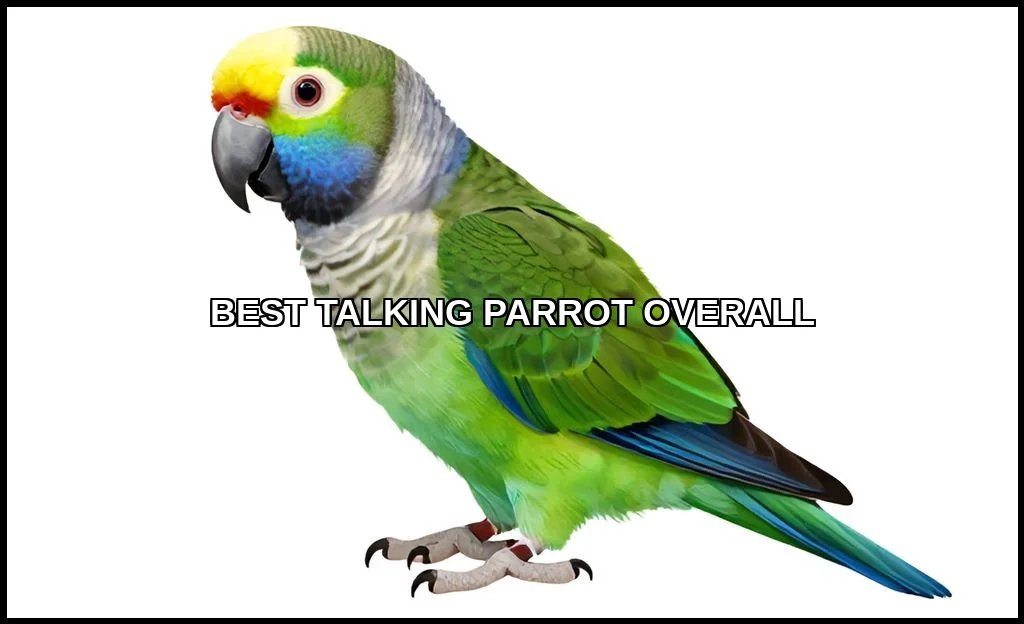
Top 5 Best Talking Parrot Species Ranked
Not all parrots are created equal when it comes to mimicry. Some are brilliant but demanding. Others are chatty and more forgiving. This ranking balances raw talent with practicality for the average owner.
1. African Grey Parrot
Widely considered the most intelligent talking parrot, the African Grey is in a league of its own. Their cognitive ability rivals that of a young child. What sets them apart is not just the vocabulary sizewhich can be in the hundreds of wordsbut their uncanny understanding of context. They don’t just repeat; they often use words appropriately.
- Speech Clarity: Exceptional. Often mistaken for a human.
- Best For: Experienced owners seeking a deeply intellectual companion.
- Consideration: They are sensitive and can develop behavioral issues without immense mental stimulation.
2. Amazon Parrot
If you want a bold, outgoing bird with a loud, clear voice, look no further. Yellow-naped and Double Yellow-headed Amazons are often hailed as the clearest talking bird species. Their speech clarity is remarkable, and they often enjoy singing and engaging in boisterous conversation.
- Speech Clarity: Excellent, with a strong, projected voice.
- Best For: Owners who want an interactive, “in-your-face” personality.
- Consideration: They can be very loud and are known for hormonal aggression if not managed well.
3. Budgerigar (Budgie)
Don’t let their small size fool you. The budgerigar holds the world record for the parrot with largest vocabulary (over 1,700 words!). They are arguably the easiest parrot to teach to talk for beginners due to their affordability, smaller size, and generally agreeable nature. They are a fantastic answer to “which parrot talks the most for under $1000?“
- Speech Clarity: Good, though often high-pitched and slightly muffled.
- Best For: First-time owners, families with older children, and those on a budget.
- Consideration: Their small voices can be easy to miss, and they require a flock-oriented lifestyle, even if solo.
4. Eclectus Parrot
The Eclectus is a fascinating study in contrasts. Known for their stunning sexual dimorphism (males are green, females red), they are also superb talkers. They tend to have very sweet, soft voices and learn phrases with clear enunciation. Their calm demeanor can make them a contender for the best talking parrot for a family? that can provide a consistent, peaceful environment.
- Speech Clarity: Very good, often with a gentle, melodic tone.
- Best For: Owners who prefer a less chaotic, more observant bird.
- Consideration: They have extremely specialized dietary needs focused on fresh fruits and veggies.
5. Cockatoo
Cockatoos are the emotional performers of the parrot world. While not always the most precise talkers, they are incredible best mimic parrots of sounds: telephones, microwave beeps, and laughter. Their talking is often infused with hilarious dramatic flair. However, their intense need for affection makes them one of the most challenging pets on this list.
- Speech Clarity: Variable. Can be clear, but often mixed with squawks and sound effects.
- Best For: Extremely dedicated owners with no noise restrictions and endless time for cuddles.
- Consideration: Prone to severe separation anxiety and destructive screaming if neglected.
Key Factors: Intelligence, Clarity & Vocabulary
When you’re doing a parrot talking comparison, you need to look at three core pillars. Think of it as a triangle where each side influences the other.
Intelligence and Mimicry
Intelligence drives the desire to mimic. A smart bird like an African Grey doesn’t just copy sounds; it seeks to interact. This cognitive horsepower is what separates simple repetition from contextual speech. For a deep dive into the science of this ability, this authority guide from Audubon is an excellent official source.
The Pursuit of Perfect Clarity
Speech clarity is the holy grail for many owners. It’s what makes you do a double-take. Physical structure matters here. Birds with larger, more flexible syrinxes (the avian vocal organ) can produce clearer consonants and vowels. This is why Amazons and Greys consistently top the charts for parrots that talk clearly.
Building a Vocabulary
Vocabulary size is impressive, but it’s not everything. A budgie might know 200 words but use them randomly. An African Grey might know 50 but use them in correct situations. Which is “better”? It depends on what you value. Consistent, patient, and positive reinforcement training is the only way to build a meaningful vocabulary, regardless of species. You can explore more on which species excel in different talking metrics.
Care Requirements & Considerations for Owners
Choosing a parrot based solely on its parrot speech ability ranking is a recipe for disaster. The talking is a bonus on top of a 20-to-80-year commitment to a complex, needy creature.
Lifespan and Long-Term Commitment
This isn’t a hamster. Large parrots often outlive their owners. You need a solid plan for their lifelong care, including in your will. This is the single biggest consideration.
Noise Levels and Your Living Situation
All parrots are loud. Even the “quiet” ones. A best talking parrot that isn’t too loud is often a smaller species like a Budgie or a Cockatiel (not on our main list but a worthy mention). That piercing contact call at dawn is a reality. If you have close neighbors or a low tolerance for noise, factor this heavily into your top talking parrot breeds decision.
Diet, Enrichment, and Veterinary Care
These are not seed-eaters. They require fresh, varied diets. Their intelligent brains also demand constant enrichmentpuzzles, foraging toys, and training. And an avian vet is non-negotiable; they are specialists, and their bills reflect that. Proper equipment, like the best carrier for safe vet transport, is part of responsible ownership.
How to Choose the Right Talking Parrot For You
So, how do you narrow it down? It’s less about finding the “best” and more about finding the “best fit.” Ask yourself these questions.
- What is your experience level? A beginner should strongly consider a Budgie or a Cockatiel. They are the easiest to care for talking parrot species to start with.
- How much time do you have daily? Parrots need hours of out-of-cage, interactive time. A lonely parrot is a loud, destructive, and plucked parrot.
- What is your home environment like? Apartment? House with family? Other pets? This directly impacts which species you can humanely accommodate.
- What is your budget? Factor in the cost of the bird, a massive cage, premium food, toys (destroyed weekly), and vet care. The purchase price is the smallest cost.
Your goal should be a harmonious relationship. The talking will comeor it won’tbased on the individual bird’s inclination and your bonding and training efforts. The best pet parrot for talking is ultimately the one whose overall needs you can happily meet for decades. Visit breeders or rescues. Meet different species. Listen to them. Let the choice be informed by reality, not just a dream of a conversationalist on your shoulder.
Focus on creating a thriving, stimulating home first. The vocabulary will follow as a natural byproduct of a happy, engaged bird. That’s the real secret to success.
