Parrots captivate us. Their vibrant plumage is a spectacle, but their vocal abilities truly forge a unique bond. The idea of a feathered friend who can converse is a powerful draw for many bird enthusiasts. It’s a complex interplay of intelligence, social instinct, and anatomy that allows certain talking bird species to mimic human speech with startling clarity.
Not all parrots talk, and even among the best mimics, individual personalities vary wildly. Your success hinges on understanding which species align with your lifestyle and commitment. For those embarking on this journey, a structured approach is key. Many trainers find a resource like Parrot Training A invaluable for establishing foundational communication and trust, which is the bedrock of speech development.
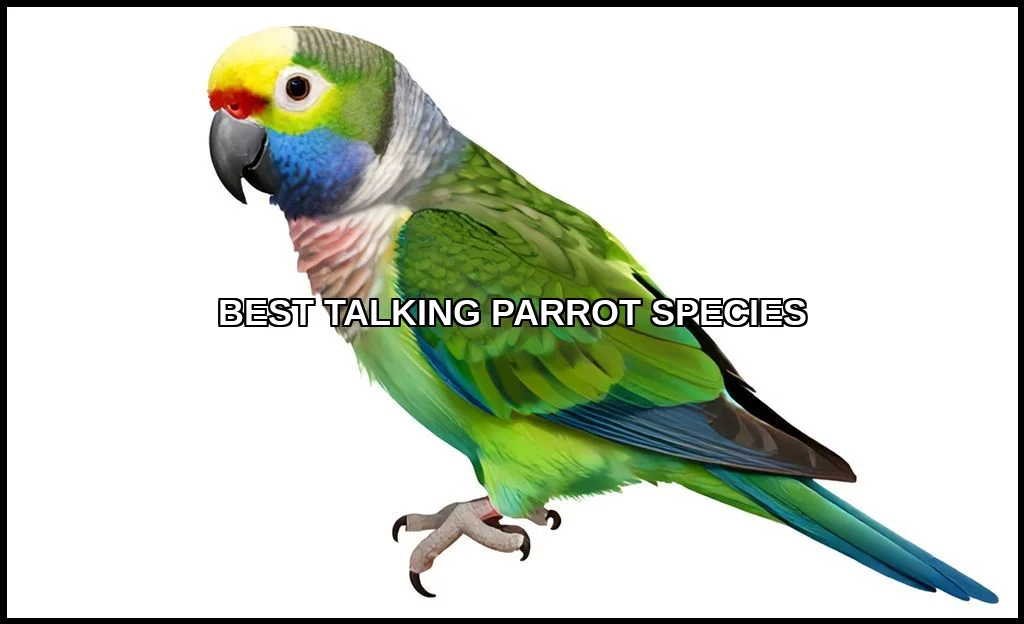
Top 5 Best Talking Parrot Species Ranked
Let’s cut to the chase. While many parrots can learn a few words, some species are renowned for their exceptional mimicry ability in birds. This ranking considers vocabulary size, speech clarity, and overall consistency.
1. The African Grey Parrot
Often considered the undisputed champion. The African Grey talking ability isn’t just about quantity; it’s about contextual understanding and near-perfect imitation of tone and inflection. They possess the cognitive horsepower to associate words with meanings, objects, and actions. Their speech clarity is often unmatched, making them one of the most talkative parrot species in a meaningful way.
- Key Trait: Unrivaled cognitive ability and contextual speech.
- Consideration: Sensitive and requires immense mental stimulation.
2. The Yellow-Naped Amazon Parrot
A close contender in the Amazon parrot speech arena. These birds are bold, playful, and incredibly vocal. They pick up words and phrases with gusto, often with excellent clarity. Their voices can be loud and boisterous, fitting their outgoing personalities. For a deep dive on how these species compare, you can explore more about which parrots excel in different aspects of mimicry.
- Key Trait: Clear, loud speech and a playful learning attitude.
- Consideration: Can be noisy and go through hormonal bluffing stages.
3. The Indian Ringneck Parakeet
Don’t let the “parakeet” label fool you. These sleek birds are phenomenal talkers, especially males. Their voice is often described as charmingly robotic but remarkably clear. They are one of the easiest talking parrot for beginners in terms of care, but their independent streak means training requires patience and consistency.
- Key Trait: Excellent clarity and large vocabulary potential.
- Consideration: Can be independent and nippy if not properly socialized.
4. The Budgerigar (Budgie)
The world record for the largest bird vocabulary belongs to a budgie. Budgerigar talking is a testament to what small packages can achieve. While their tiny voices can be high-pitched and mumbled, dedicated males can learn hundreds of words. They are arguably the most accessible entry point into the world of vocal birds.
- Key Trait: Record-holding vocabulary potential for their size.
- Consideration: Voice clarity is often lower; best talkers are usually hand-raised males.
5. The Sulphur-Crested Cockatoo
Intelligence and a penchant for performance define this species. While their cockatoo vocabulary might not rival an African Grey’s, their mimicry is often hilariously accurate, including sounds and emotional tones. They are incredibly social and learn vocalizations as a way to bond. Their loud, natural calls are a significant factor to consider.
- Key Trait: Dramatic, emotional mimicry and high intelligence.
- Consideration: Extremely demanding, needy, and profoundly loud.
Key Factors That Influence Talking Ability
Species is just the starting point. An individual bird’s propensity for speech is shaped by several intertwined factors. It’s never a guarantee.
Species & Natural Inclination
Some vocal parrot breeds are simply hardwired for complex vocal learning. Greys and Amazons have evolved in complex social flocks where communication is key. This biological predisposition is the first filter. The official source from Audubon delves into the fascinating neurology behind this talent.
Individual Personality & Sex
Even within a clutch of siblings, you’ll find the chatterbox and the strong, silent type. In many species, like budgies and ringnecks, males are statistically more likely to become proficient talkers. However, brilliant female talkers are certainly not uncommon.
Environment & Social Interaction
A bored, isolated parrot is a silent parrot. These are hyper-social creatures. Speech mimicry is primarily a social bonding activity for them. Your bird needs to see you as its flock. Daily, positive interaction is the single biggest environmental driver for unlocking their learning ability.
- Consistent, daily social time is non-negotiable.
- A stressed or fearful bird will not be inclined to learn.
- Exposure to varied sounds and conversations stimulates their interest.
Care & Training Requirements for Vocal Parrots
Owning a talented talking bird species is a major commitment. Their intelligence demands an enriched life far beyond a clean cage and fresh food.
Housing, Diet, and Mental Enrichment
The cage is their sanctuary, but it shouldn’t be their whole world. It must be large enough for full flight or wing-stretching. A nutrient-rich diet of high-quality pellets, fresh veggies, and limited fruit is critical for cognitive health. Boredom is your enemy. Rotate a vast array of foraging toys, puzzle toys, and destructible wood. For larger birds like Meyers Parrots, ensuring safe travel is part of responsible care, which is why choosing the best travel carrier is so important for vet visits or trips.
Training Tips for Speech Development
Wondering how to teach a parrot to talk? It’s more about nurturing than drilling.
- Build Trust First: Never force training. Your bird must feel safe and bonded with you. This can take weeks or months.
- Start Simple & Repeat: Choose a short, clear word like “Hello” or their name. Say it enthusiastically every time you approach the cage or give a treat.
- Context is Key: Associate words with actions. Say “Up!” when stepping up, “Apple” when offering a piece. This aids cognitive connection.
- Use Positive Reinforcement: The moment they attempt the sound, even poorly, reward with an immediate treat and effusive praise.
- Be Patient and Consistent: Sessions should be short (5-10 minutes), fun, and daily. Some birds talk in months, others in years.
Remember, you’re not programming a machine. You’re encouraging a complex, intelligent being to engage in a cross-species dialogue. The pressure to perform can backfire.
FAQs About Talking Parrots
Which parrot species talks the clearest?
Hands down, the African Grey Parrot is most consistently praised for its unmatched speech clarity. Their ability to replicate the human voice, including tonal subtleties, is extraordinary. The debate often centers on African Grey vs Amazon talking ability, with Amazons being brilliantly clear but often louder and more theatrical in delivery.
What is the easiest talking parrot for beginners?
For a balance of talking potential and manageable care, the Budgerigar (Budgie) or the Cockatiel (though not covered here, they whistle and learn words) are excellent starts. The Indian Ringneck is a strong candidate if you want a larger bird known for clear speech and slightly easier care than a Grey or Amazon.
Can you guarantee my parrot will talk?
No. Absolutely not. You can stack the odds by choosing a species known for mimicry, getting a hand-raised bird, and providing exceptional training. But the final choice is always the bird’s. Appreciate them for their innate personality, not just as a potential speaker.
The quest for the best mimics in the avian world is fascinating. It leads us to intelligent, demanding, and profoundly rewarding companions. Whether it’s the cognitive genius of an African Grey or the chatty charm of a Budgie, success lies in managing your expectations. Your goal shouldn’t be a performing novelty, but a deep, communicative bond. Provide the enriched environment, the patient training, and the respectful partnership. The words, if they come, will be a delightful bonus to an already incredible friendship. Choose the bird that fits your life, not just your dream of conversation.
