
Traveling with pigeons requires more than just a box. Whether you’re a racing enthusiast heading to a release point, a show exhibitor, or a pet owner moving house, the right carrier is non-negotiable. It’s the difference between a calm, safe bird and a stressed, injured one. The journey itself is a major event for your bird.
Choosing the best travel cage for pigeons isn’t about finding the cheapest option. It’s about matching specific features to your bird’s needs and your travel mode. A carrier for a short car ride differs from one needed for airline travel. You must consider ventilation, durability, and portability from the start. For many fanciers seeking a balance of these traits, the Plastic Foldable Pigeon carrier has become a popular go-to for its practical design.
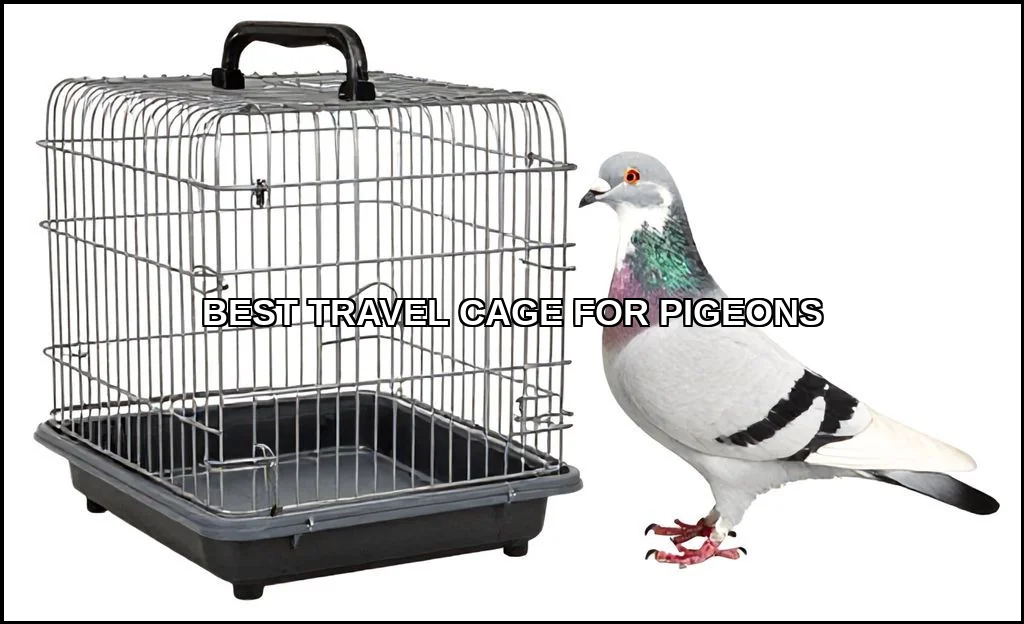
Understanding Pigeon Travel Needs
Not all travel is the same. A racing pigeon travel crate must secure multiple birds efficiently, while a show bird carrier prioritizes individual presentation and protection. Pet pigeons on a vet visit need a quiet, secure space. Your choice hinges on the primary purpose.
Common travel scenarios include:
- Car Travel: The most frequent need. A pigeon cage for car use must be secure against sudden stops and offer good visibility to reduce stress.
- Airline Travel: Requires compliance with specific airline regulations, often mandating hard-sided, escape-proof containers.
- Show or Competition Travel: Demands a carrier that prevents feather damage and keeps the bird clean and calm before judging.
Ignoring these contexts can lead to a poor purchase. A carrier perfect for a single show pigeon will fail miserably for transporting a team of racing pigeons.
Key Features of a Superior Pigeon Travel Cage
Look beyond the basic “cage” label. The best pigeon cage for travel integrates several critical design elements that directly impact safety and comfort.
Non-Negotiable: Safety and Security
The primary job of any pigeon transport box is to keep the bird contained and safe. This means secure, reliable latches that can’t be jostled open. Wire spacing must be narrow enough to prevent head protrusiona serious injury risk. For plastic carriers, look for robust, interlocking seams.
Critical for Health: Ventilation and Climate
Ventilation is arguably the most important feature. Stagnant air leads to overheating and respiratory distress. Optimal airflow comes from mesh panels on multiple sides, not just one. This is a key area where many budget carriers fall short. Consider temperature regulation; dark, enclosed carriers can overheat in the sun, while all-wire cages might draft in cold weather.
Built to Last: Durability and Materials
Durability determines lifespan. Wire travel cages, like those from brands such as Prevue Hendryx, offer excellent airflow but can bend. Heavy-duty plastic or ABS polymer carriers resist impact and are easier to disinfect. Cleaning and disinfection protocols are simpler with non-porous, smooth surfacesa missing entity in many reviews that’s vital for disease prevention.
Ease of Use: Portability and Access
Portability means easy carrying. Look for integrated handles, shoulder straps, or a lightweight design. Folding travel cages excel here for storage. A good access door allows you to reach the bird easily without a struggle, which is crucial for managing stress. For multi-bird transport, separate compartments prevent fighting.
Comfort Features: Stress Reduction
This is where premium carriers shine. Stress reduction features include perch options, removable floor grates for easy cleaning, and opaque panels to limit visual overstimulation. A stable, non-slip floor gives the bird confidence during movement. For longer trips, considering what size travel cage do pigeons need for minimal, comfortable movement is key.
Top Travel Cage Options for Pigeons
Based on design, user feedback, and suitability for different roles, here are standout categories. This isn’t about ranking one “best,” but matching the right tool to the job.
1. The All-Rounder: Plastic Transport Carriers
Ideal for: Pet owners, single show pigeons, vet visits, airline travel.
These hard-sided carriers, like the popular Plastic Foldable Pigeon model, offer security and easy cleaning. They provide a den-like feel that can calm nervous birds. Look for models with top and front door access, and secure bolt latches. They’re a top choice for a portable bird cage for pigeons needing containment over visibility.
2. The Traditionalist: Wire Travel Cages
Ideal for: Short-term holding, car travel where visibility is desired, well-ventilated environments.
Brands like Yaheetech offer these. They provide maximum airflow and are often collapsible. The downside? They can be drafty, harder to clean thoroughly, and offer less privacy. Best for birds accustomed to frequent handling.
3. The Specialist: Racing Pigeon Transport Crates
Ideal for: Transporting multiple racing pigeons.
These are typically larger, multi-compartment boxes designed for efficiency and group safety. They prioritize stackability and uniform ventilation. When searching for a travel cage for racing pigeons, focus on compartment size and divider strength to prevent toe injuries.
4. The Premium Choice: Dedicated Show Carriers
Ideal for: Exhibition pigeons where feather condition is paramount.
These often feature padded interiors, individual perches, and sometimes even climate control elements. They are designed to answer how to choose a travel cage for show pigeonsprotection is the premium feature here.
5. The Space-Saver: Folding Travel Cages
Ideal for: Fanciers with limited storage space, occasional travelers.
These can be wire or fabric-over-frame. They excel in portability and storage but may sacrifice some structural rigidity. Perfect for the occasional trip but perhaps not for weekly use. They are a strong candidate for the best lightweight travel cage for racing pigeons on the go.
Your Buying Guide: Choosing the Right Cage
Don’t just buy the first cage you see. Follow this decision framework.
Step 1: Assess Your Primary Use Case
Are you moving pets, racing, or showing? Your primary activity dictates 70% of your choice. A show handler’s needs differ vastly from a racing loft manager. Be honest about frequency, too.
Step 2: Match Features to Your Checklist
Use a simple table to compare options against your non-negotiables.
| Feature | Why It Matters | Question to Ask |
|---|---|---|
| Ventilation | Prevents overheating, ensures fresh air. | Are there vents on at least two sides? |
| Security | Prevents escapes and injuries. | Do the latches feel solid? Is wire spacing safe? |
| Cleaning Ease | Critical for health. | Can I remove the tray? Are surfaces non-porous? |
| Portability | Affects your comfort during transport. | Is there a comfortable handle? Is the weight manageable? |
| Interior Comfort | Reduces travel stress. | Is there a perch? Is the floor stable? Look for a travel cage for pigeons with multiple perches if needed. |
Step 3: Consider Logistics and Budget
Measure your vehicle space. Check airline specifications if applicable. Set a realistic budget, but remember this is a long-term investment in your bird’s welfare. Sometimes, spending more upfront on durability saves money over time.
Travel Safety Tips and Best Practices
The best pigeon travel carrier is only part of the equation. How you use it matters just as much.
Before the Trip: Acclimation is Key
Never use a brand-new carrier for a big trip. Leave it open in the loft or home for weeks. Place feed inside. Let the bird explore it as a safe space. This single step drastically cuts travel-day stress.
During Transit: Environment Matters
- Car Travel: Secure the carrier with a seatbelt. Never place it in the footwell or a trunk. Avoid direct sun through windows. Provide a light, breathable cover for visual calm if needed.
- Temperature: Monitor closely. Cars heat up incredibly fast. An official source like the AVMA provides guidelines on safe transport temperatures.
- Food & Water: For trips under 12 hours, focus on hydration. Use secure water cups or offer moist greens. Avoid loose seed that can scatter and mold.
Health and Hygiene Protocol
Clean the carrier immediately after every use. Disinfect with a bird-safe solution (e.g., diluted F10). Allow it to dry completely before storage. This prevents parasite transmission and bacterial growth. It’s as important as choosing the right best birdhouses with cameras for monitoring your stationary loft.
The right travel cage is a cornerstone of responsible pigeon keeping. Its not an accessory but a critical piece of husbandry equipment. By prioritizing ventilation, durability, and portability tailored to your specific needsbe it for racing, show, or companionshipyou invest directly in your bird’s well-being. Remember, a calm, secure pigeon is a healthier pigeon, whether it’s headed to a national competition or a local vet check. Start with acclimation, maintain rigorous cleaning, and always put safety over convenience. Your feathered travelers will thank you for it.
