There’s something special about a birdhouse nestled in a tree. It feels natural, like you’re providing a seamless extension of the forest canopy right in your yard. Unlike a stark pole mount, a tree-mounted birdhouse offers immediate shelter, camouflage from predators, and a familiar environment for species that naturally nest in cavities. It’s a simple way to boost local biodiversity and enjoy the daily drama of avian life.
But doing it right requires a bit of know-how. A poorly chosen or installed house can harm the tree, fail to attract tenants, or become a deathtrap. You need the right box, the right mount, and the right plan. For those looking for a robust, ready-to-hang option that professionals often turn to, the iBorn Wall Mounted birdhouse is a solid contender, known for its durable construction and thoughtful design features that translate well to tree mounting.
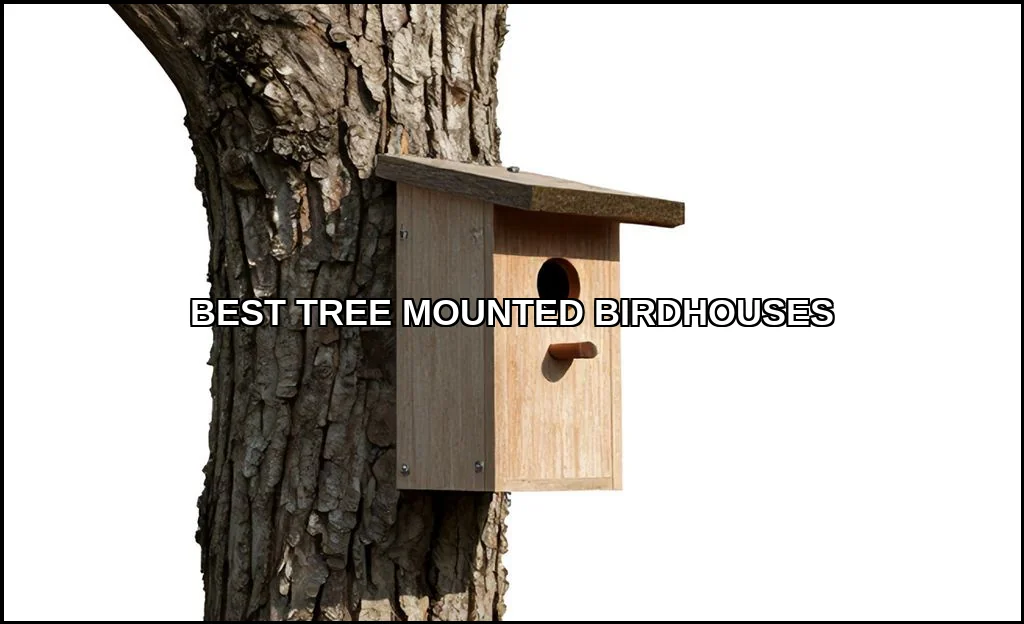
Top 5 Tree-Mounted Birdhouses Compared (2024)
Not all birdhouses are created equal, especially when their home is a living, growing tree. Heres a breakdown of top contenders based on key features for an arboreal bird shelter.
1. The All-Around Champion: Cedar Classic with Guard
Think of this as the reliable workhorse. Made from untreated, rough-sawn cedar, it weathers beautifully and provides excellent insulation. The best models include integrated predator guards around the entrance hole and come with a tree-friendly strap (like a wide nylon belt) that minimizes bark damage. Brands like Heath Outdoor Products excel here. Its a versatile tree mounted nesting box suitable for bluebirds, chickadees, and titmice.
- Best for: Birders who want a natural, durable option for common backyard species.
- Watch for: Ensure it has proper ventilation holes near the top and a solid cleaning access panel.
2. The Squirrel Buster: Metal-Port Fortress
If your backyard is a squirrel highway, this is your pick. The primary defense is a hardened metal ring around the entrance hole, too small and slippery for squirrels to gnaw and enlarge. Its the core of a true squirrel proof birdhouse. Often made of cedar with rust-resistant hardware, it gives woodpeckers and flickers a run for their money too. Nature’s Way offers popular models in this category.
- Best for: Areas with high squirrel or raccoon pressure.
- Watch for: The metal entrance must be the exact size for your target bird to prevent exclusion.
3. The Easy-Clean Specialist: Recycled Plastic Box
Durability and hygiene are the hallmarks here. Made from recycled plastic polymers, these boxes are incredibly weather resistant, won’t rot, and are often touted as an easy clean birdhouse. They resist mold and mites better than wood. The entire front or side might hinge open for a full cavity scrub. This material also handles tree sap from pines or other sticky-barked species without issuea missing entity many wood-first guides overlook.
- Best for: Low-maintenance birding and wet climates; perfect for a forest bird habitat.
- Watch for: Ensure it has adequate ventilation, as plastic can get hotter than wood.
4. The Woodpecker Special: Deep Cavity Box
Not just any box will do for a woodpecker house. These birds need a deeper cavity (often 12-16 inches) with a rough interior wall they can grip to climb out. The entrance hole is precisely sizedfor example, a 1.5″ hole for a Northern Flicker. Its a specialized birdhouse for tree attachment that mimics a dead snag.
- Best for: Attracting specific woodpecker species or other deep-cavity nesters.
- Watch for: Placement is critical; they often prefer boxes mounted on larger, mature trees.
5. The Bluebird Beacon: Specific-Nester Box
The classic bluebird nesting box has very particular dimensions: a 1.5″ entrance hole about 6-7 inches from the floor. It features an overhanging roof to keep rain out and, ideally, no perch (which sparrows use but bluebirds don’t need). The question of the best tree mounted birdhouse for bluebirds that squirrels can’t raid often leads to a model combining these specs with a metal entrance guard.
- Best for: Conservation-minded birders aiming to support Eastern Bluebird populations.
- Watch for: Must be placed in open areas (like field edges) on a tree, not deep woods.
How to Choose: Key Features for Tree Mounting
Look beyond the cute design. Your choice hinges on features that ensure safety, durability, and tenant satisfaction in a dynamic tree environment.
Material & Build Quality
Cedar is the gold standard for woodnaturally insect-resistant and insulating. Recycled plastic offers supreme durability and easy cleaning. Avoid painted or treated woods. Check the joinery; it should be tight, with rust-resistant hardware like galvanized or stainless-steel screws. This prevents unsightly stains and failure. Remember, a tree sways. The box must be tough.
Mounting System is Everything
The mount is the critical interface between your box and the tree. A fixed screw mount is permanent and can harm the tree. A tree-friendly strap or a birdhouse mounting bracket that allows for growth is far superior. Think about how to safely mount a birdhouse on a tree without harming it from day one. Some brackets use a single, large lag bolt around which the tree can grow; others use wide, adjustable straps.
Safety & Maintenance Features
Your tenants’ lives depend on this. Ventilation holes at the top prevent overheating. Drainage holes in the floor are non-negotiable. A secure, hinged cleaning access panel is mandatory for seasonal cleanupthis impacts do tree mounted birdhouses need special cleaning compared to pole mounts? (Answer: Not really, but easy access is even more crucial). And never forget the predator guard, a metal plate that prevents raccoons and cats from reaching in.
For more advanced observation, consider checking out our guide to the best birdhouses with cameras to bring the nesting action up close.
Step-by-Step Installation & Safety Guide
You’ve got the box. Now let’s get it on the tree correctly. This process protects both the bird family and the tree itself.
1. Selecting the Perfect Tree & Location
Choose a healthy, mature tree with sturdy bark. Consider the tree speciesrough bark like oak provides better grip for a strap, while smooth bark like beech may require extra care. Avoid trees that are heavily sappy if you’re using a wooden box you don’t want stained. The location should be relatively quiet, face away from prevailing winds and strong afternoon sun if possible, and be safe from ground predators.
2. The Mounting Process
- Gather Tools: Your birdhouse, mounting strap/bracket, a ladder, and maybe a helper.
- Determine Height: This answers what height should a tree mounted birdhouse be placed. For most songbirds, 5-10 feet high is ideal. For woodpeckers, go higher10-15 feet.
- Attach the Mount: If using a strap, loop it around the tree and through the bracket on the box. Leave enough slack for growthyou should be able to fit a finger between the strap and the bark.
- Secure the Box: Tighten the strap or bracket so the box is firmly in place but not squeezing the tree. Ensure it hangs straight.
3. Post-Installation Checks
Give the box a gentle shake to test stability. Look upensure no dead branches are poised to fall on it. Step back and view it from a predator’s perspective. Is it easily accessible from a nearby fence or branch? You might need to prune a few small limbs to create a safer landing zone. Your goal is a secure tree-safe birdhouse mount.
Bird Species Guide & Ongoing Maintenance
Different birds have different leases. Tailoring your setup to your desired tenants increases your success rate dramatically.
Matching House to Bird
| Bird Species | Ideal House Type | Key Mounting Notes |
|---|---|---|
| Eastern Bluebird | Specific Bluebird Box | Open area, 4-6 ft high on a tree at field edge. |
| Chickadee, Titmouse | Small Cedar Box (1 1/8″ hole) | Wooded area, 5-10 ft high. |
| Woodpecker (e.g., Flicker) | Deep Cavity Box | Mature tree, 10-15 ft high, fill with wood chips. |
| Wren | Small Gourd or Box | Lower height (5-7 ft) in dense shrubbery or trees. |
It’s fascinating how specific bird needs can be. For instance, if you’re curious about avian intelligence and communication, our article on which parrots talk best explores a completely different facet of the bird world.
Annual Maintenance Ritual
Once nesting season is over (late summer/early fall), it’s cleanup time. Wear gloves. Open the cleaning access panel and remove all old nesting material. Scrub the interior with a mild bleach solution (1 part bleach to 9 parts water) to kill parasites. Rinse thoroughly and let it dry completely before closing it up. This is non-negotiable for bird health. Check the tree-friendly strap and loosen it if the tree has grown. Inspect for wear, rot, or wasp nests.
Navigating Nuances & Regulations
Heres what many guides miss. Check if your municipality or homeowners’ association has rules about attaching structures to trees. Some arborist codes discourage it entirely. Monitor the tree’s health; if it shows signs of disease or stress, consider relocating the box. And always cross-reference your plans with an authority guide like the Cornell Lab of Ornithology for species-specific best practices. Their science-backed advice is invaluable.
Installing a birdhouse on a tree is more than a weekend project. It’s a commitment to fostering a tiny piece of the ecosystem in your care. The right box, mounted thoughtfully and maintained diligently, becomes a vital refuge. It supports struggling species like bluebirds, outsmarts clever squirrels, and stands firm against the weather. You’re not just hanging a decoration. You’re signing a lease for a wild family, with all the responsibility and reward that brings. Start with a clear plan, choose quality over cuteness, and enjoy the show.
