
Imagine having a front-row seat to nature’s daily drama. A window mounted birdhouse brings the avian world inches from your couch, transforming a simple pane of glass into a living theater. It’s more than decoration; it’s a connection to the wild that requires no yard, no drilling, and very little effort. For apartment dwellers or anyone short on outdoor space, it’s a revelation.
The joy of indoor bird watching is unmatched. You get to observe intricate behaviorslike a finch meticulously shelling a seedwithout disturbing the scene. The key is finding the right hardware. A top-tier product, like the highly-rated Window Bird Feeder, combines a crystal-clear view with robust suction cups. Its a fantastic starting point for this hobby, letting you test the waters before diving deeper into specialized houses.
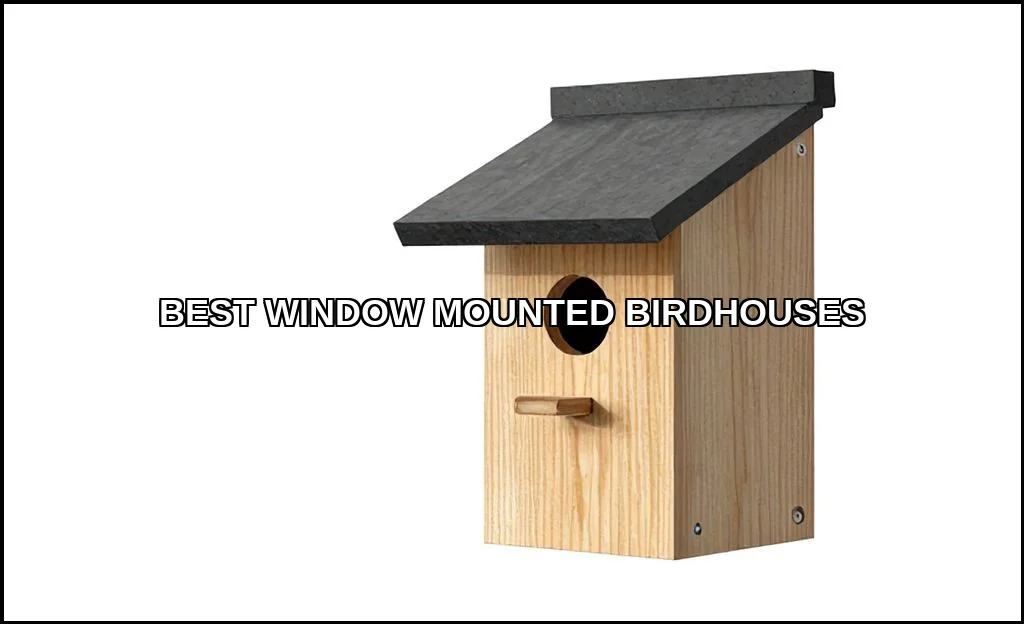
Why a Window Birdhouse is Your Next Best Home Upgrade
Let’s be honest: traditional birdhouses are lovely, but they’re often placed where you can’t easily see them. A window-mounted model solves that. It turns casual glances into engaging moments of discovery, perfect for reducing stress and sparking curiosity in kids and adults alike. The benefits are immediate and tangible.
You’re not just feeding birds; you’re inviting specific guests. Positioning and seed choice can attract vibrant cardinals, cheerful chickadees, or lively finches right to your eye level. This controlled environment also makes it easier to deter pests, leading many to seek out a truly squirrel proof window feeder. Its a manageable, rewarding slice of wildlife stewardship.
Top 5 Window Mounted Birdhouses Reviewed
Navigating the market can be tricky. We’ve evaluated models based on durability, view clarity, and user feedback to bring you this curated list.
1. The Panoramic Viewer: Clear Acrylic Suction Cup House
This style is the quintessential window bird feeder. Its all-acrylic construction offers a distortion-free, 180-degree view. The strength of the suction cups is paramount here; the best models use a lever-activated locking system. Its the ideal choice for a bird watching window setup where observation is the primary goal. Perfect for smaller birds like titmice and sparrows.
2. The Modern Tech Hub: Smart Camera Birdhouse
Brands like Bird Buddy have redefined the category. These are less about mounting directly on the glass and more about placing a smart house near the window. They use AI to identify species and send clips to your phone. While not a traditional suction mount, they represent the high-tech end of indoor bird watching. For a dedicated look at this niche, explore our guide to the best birdhouses with cameras.
3. The No-Fuss Feeder: Simple Tray with Suction Base
Sometimes simplicity wins. This window mounted bird feeder is often a simple tray or perch attached to suction cups. Its incredibly easy to fill and clean, making it a champion of easy clean birdhouse design. It lacks the enclosed protection of a full house, so it’s better for fair weather or sheltered overhangs. Attracts a wide variety quickly.
4. The Decorative Perch: Stained Glass or Ceramic Designs
For those prioritizing aesthetics, companies like Nature’s Hangout offer artistic designs. They often combine a decorative exterior with a functional feeding cup. Be sure to check the mounting mechanismsome use sturdy suction, others may require a bracket. Its a fusion of garden art and function.
5. The Heavy-Duty Fortress: Extra-Strong Mount for Larger Birds
Want to attract blue jays or mourning doves? You’ll need a feeder built for more weight and activity. Look for models with multiple, large-diameter suction cups and a robust perch. This is the solution for the long-tail query “best window mounted birdhouse for cardinals.” They are built to handle the heft and feeding style of larger, more assertive birds.
Key Features Comparison Chart
| Feature | Why It Matters | What to Look For |
|---|---|---|
| Suction Cup Strength | Prevents falls, ensures safety for birds and your window. | Locking lever mechanism, minimum of 2 large cups (2.5″ diameter). |
| Acrylic vs. Polycarbonate | Clarity, scratch resistance, and impact durability differ. | Acrylic for superior clarity; Polycarbonate for higher impact resistance. |
| Easy Cleaning Access | Hygiene prevents disease. A chore you’ll do weekly. | Wide openings, removable base or roof, dishwasher-safe parts. |
| UV-Resistant Materials | Prevents yellowing and brittleness from sun exposure. | Explicit manufacturer claim. Extends product life for years. |
Your Step-by-Step Installation & Placement Guide
A secure installation is non-negotiable. A falling birdhouse can scare birds away for good and damage your property. Follow these steps for a setup that lasts.
Pre-Installation: Surface Prep is Everything
This is the most skipped, most critical step. Your window must be impeccably clean. Any dust, oil, or residue will compromise the seal.
- Wash the window with warm, soapy water. Rinse thoroughly.
- Wipe the area with isopropyl alcohol (rubbing alcohol) on a clean cloth. Let it evaporate completely.
- Moisten the suction cups with a tiny bit of water. This creates a better initial seal.
Installation: Locking It Down
Press the feeder firmly against the glass, ensuring full cup contact. Engage the locking levers. Give a firm tug to test. For peace of mind, consider a secondary safety tether (like clear fishing line) attached to a hook above the window, especially for heavier models. This directly addresses concerns about a “window birdhouse that won’t fall off.”
Strategic Placement for Maximum Traffic
- Height: Eye-level for you, but consider safety from ground predators. 5-6 feet high is often ideal.
- Visibility: Place near natural cover like a bush or tree, but not so close that squirrels can jump. 3-5 feet away is a safe distance.
- Traffic: Avoid windows facing constant human activity or loud streets. Birds prefer quieter, safer spots.
- Regionality: Use a USDA zone map. In colder zones (3-5), evergreens for winter shelter are key attractors. In warmer zones (8-10), consider shade to keep seed from spoiling.
FAQs: Maintenance and Bird Attraction
How do I clean my window birdhouse safely?
Weekly cleaning is best. Use a mild solution of one part white vinegar to three parts warm water. Vinegar disinfects and cuts grime without harsh chemicals. Rinse thoroughly and dry before refilling. For a clear view bird feeder, this routine prevents hazy film buildup. Always check manufacturer instructions first.
What seeds attract which birds?
Black oil sunflower seeds are the universal favorite. Nyjer thistle attracts finches and chickadees. Safflower is loved by cardinals and deters squirrels. For a deeper dive into avian preferences, our article on which parrots talk best explores how diet and environment influence bird behavior, a principle that applies to wild birds too.
How do I winterize my suction cup birdhouse?
Cold weather is the nemesis of suction. The plastic contracts and can break the seal. Winterization tips: First, ensure your model uses cold-tolerant silicone-based suction cups. Re-apply the cups on a relatively warm day. Check the seal every few weeks, pressing the center to re-seat it. Some bring feeders in on extremely cold nights.
Why are birds avoiding my new feeder?
Patience is key. It can take birds several days to several weeks to accept a new object. Ensure it’s installed securely (no wobbling). Use high-quality, fresh seed. Sometimes, sprinkling a small amount of seed on the roof or nearby ledge can signal that the location is a food source.
Choosing the right window mounted birdhouse boils down to your goals: flawless observation, attracting specific species, or hassle-free enjoyment. Start with a trusted, no drill window mount model that prioritizes suction cup strength and easy cleaning access. Prep your window meticulously, place it with strategy, and maintain it with simple vinegar and water. Before long, you’ll have a daily connection to nature that’s just a glance away. The view, quite literally, is fantastic.
