
Choosing binoculars for birding feels personal. It’s about finding the extension of your own senses that brings a distant warbler into sharp, brilliant focus. For over a century, Zeiss has been a cornerstone of that pursuit, crafting optics that define what’s possible. Their reputation for light transmission and optical clarity isn’t just marketing; it’s the difference between seeing a shadow and identifying a cerulean warbler in the deep shade.
If you’re starting out and the price of high-end optics gives you pause, there’s a fantastic entry point. The ZEISS Terra ED series offers genuine Zeiss quality at a more accessible tier. It’s a perfect first step into the brand, delivering excellent performance for the price and letting you learn what features matter most to you before a bigger investment.
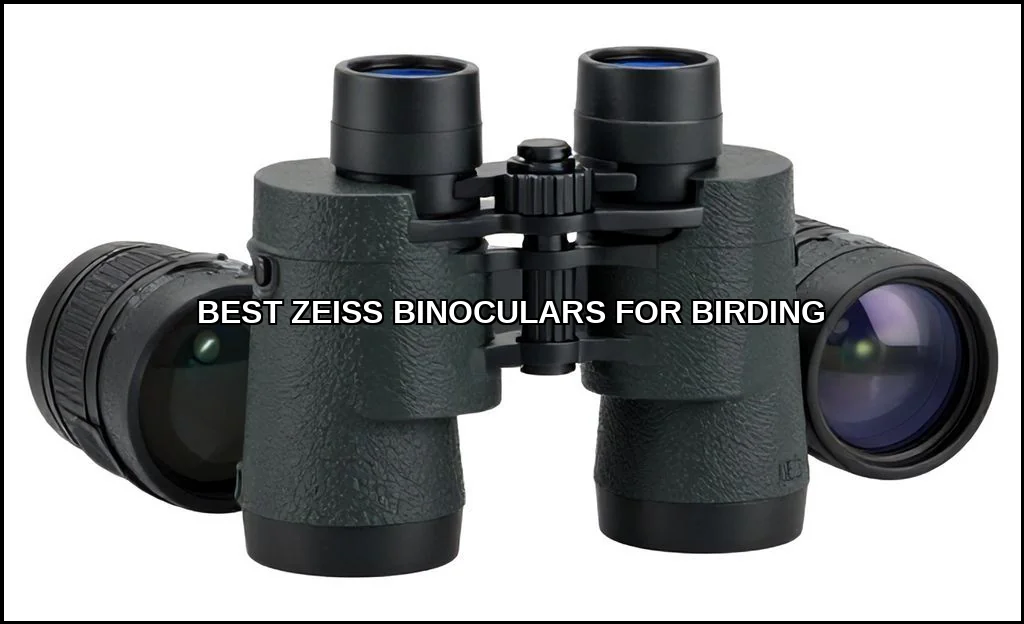
Top Zeiss Models for Birding: A Side-by-Side Look
Zeiss structures its bird watching binoculars into distinct lines, each targeting different needs and budgets. Understanding these tiers is key to finding your match.
Zeiss Victory SF: The Apex Predator
This is Zeiss’s flagship, sitting firmly among the world’s alpha binoculars. The Victory SF is engineered for those who demand the absolute best, with an emphasis on a wide field of view and exceptional balance. Its ergonomic design, with a forward center of gravity, makes it feel lighter than it is during long days in the field. For scanning open water for ducks or tracking fast-moving swallows, that expansive view is a game-changer.
Zeiss Conquest HD: The Confident All-Rounder
Positioned as a premium mid-range option, the Conquest HD delivers near-alpha performance without the flagship price. Its light transmission and color fidelity are outstanding, making it a favorite for serious birders who appreciate value. The build quality is robust, ready for rain or rough handling. It’s the workhorse choice for someone who doesn’t want to compromise on optical quality but has a defined budget.
Zeiss SFL: The New Lightweight Champion
A newer line that competitors often overlook, the SFL series answers the call for extreme lightness without sacrificing Zeiss’s legendary glass. They are remarkably compact and light, ideal for travel, long hikes, or anyone who prioritizes minimizing neck strain. Don’t let the weight fool you; the image is bright, sharp, and perfectly color-neutral. For chasing warblers through dense spring foliage, this agility is a huge advantage.
Zeiss Terra ED: The Strategic Gateway
As mentioned, the Terra ED is Zeiss’s accessible line. It uses extra-low dispersion (ED) glass to control chromatic aberration, providing a clear, color-true image that punches above its weight class. It’s the ideal model for beginners or as a reliable backup pair. You get the Zeiss name and a solid optical foundation, allowing you to invest more in travel or other gear, like finding the best birdhouses with cameras for your yard.
Key Features for Birding: What Actually Matters
Spec sheets can be overwhelming. Let’s translate the jargon into real-world birding benefits.
- Close Focus: This is critical. Can your binoculars focus on a butterfly three meters away? How about a skulking sparrow in the underbrush? A short close focus distance (under 2m is excellent) opens up a world of near-field observation, essential for all birders.
- Field of View: Measured in feet at 1000 yards, this is the width of the scene. A wider field makes it easier to locate birds, especially fast-moving ones like shorebirds or kingfishers. It provides more context in the viewfinder.
- Light Transmission: The percentage of light that reaches your eye. Higher is better, especially for dawn choruses, dusk roosts, or birding in deep forest. This is where premium coatings on roof prism binoculars make a tangible difference.
- Eye Relief: The distance your eye can be from the ocular lens and still see the full image. Vital for eyeglass wearers. Look for 16mm or more for comfortable use with glasses.
- Ergonomic Design: How the binocular feels in your hands. Is the grip secure? Is the focus wheel smooth and precisely located? This affects fatigue more than you might think.
Zeiss vs. The Competition: Swarovski & Leica
The question of Zeiss vs Swarovski for birding (or Leica) is common. All three are superb. The choice often comes down to personal preference in handling and color rendition.
Zeiss Victory SF vs. Swarovski EL: The SF typically offers a wider field of view and a unique ergonomic balance. Swarovski’s EL often has a slightly warmer color tone and is renowned for its ruggedness. It’s a toss-up; you must try both.
Zeiss Conquest HD vs. Leica Ultravid: The Conquest HD often wins on pure value and brightness. The Ultravid has a classic, compact build and a very natural, contrast-rich image. The Conquest is a more modern optical design.
An official source like the Audubon Society’s gear guide is a great place to see independent perspectives on these premium brands.
Buying Advice: Matching a Model to Your Needs
For the Budget-Conscious Beginner
Start with the Zeiss Terra ED. It provides a genuine quality foundation. Ask yourself: are Zeiss binoculars worth the money for birding at this level? Compared to generic brands, absolutely. You’re paying for controlled optics and a trusted platform to learn on. The debate of Zeiss Terra ED vs Conquest HD for beginners is valid; if your budget allows the jump to Conquest HD, you’ll notice the step up in build and optical refinement.
For the Dedicated Enthusiast
The Zeiss Conquest HD is likely your sweet spot. It handles 95% of scenarios flawlessly. If you bird in varied habitats and want one reliable, top-tier tool, this is it. Consider the 8×42 for general use or the 10×42 for more open country and waterfowl.
For the Professional or Ultimate Perfectionist
You’re in Victory SF or SFL territory. Choose the SF if you prioritize the widest possible view and exquisite balance. Choose the SFL 8×40 if shaving every gram is your mission for all-day comfort. These are the tools for those who notice the subtlest differences in light transmission at dusk.
Don’t Forget the Intangibles
Beyond specs, consider Zeiss’s warranty and customer service experience. They offer a strong transferable warranty, which is a significant factor in the long-term value of these instruments. Also, think about specific scenarios: a wide field is great for raptor migration, while excellent close focus is key for studying which parrots (or any birds) are exhibiting intricate behaviors up close.
Is There a “Best Zeiss Binoculars for Low Light”?
All Zeiss models excel here due to their coatings. But the Victory SF and Conquest HD, with their slightly larger objective lenses and premium glass, will have a technical edge in the deepest gloom. For most, the difference between them in low light is marginal.
| Model Line | Best For | Key Strength |
|---|---|---|
| Victory SF | Professionals & purists; wide-field scanning | Ergonomic design & immersive view |
| Conquest HD | Serious enthusiasts seeking value | Optical clarity per dollar |
| SFL | Travel & long-duration comfort | Extreme lightness with premium optics |
| Terra ED | Beginners & value-focused birders | Accessible entry to Zeiss quality |
The right Zeiss binocular doesn’t just show you a bird. It reveals the texture of its feathers, the glint in its eye, and the subtle hue of its plumage. It connects you more deeply to the moment. Your choice hinges on balancing optical desire with practical budget and how the instrument feels in your hands during the third hour of a cold morning. Try them if you can. That hands-on test is the final, and most important, piece of data. Your perfect pair is out there, waiting to bring the distant world into stunning, intimate detail.
