
Seeing far away objects clearly is a unique thrill. Whether you’re scanning a distant ridgeline, tracking a soaring bird, or gazing at celestial bodies, the right optics bring the world closer. This isn’t about casual observation; it’s about long distance viewing with precision and comfort. The wrong choice leads to shaky, dim, and frustrating images. Let’s cut through the noise and find the binoculars that truly deliver for extended range optics.
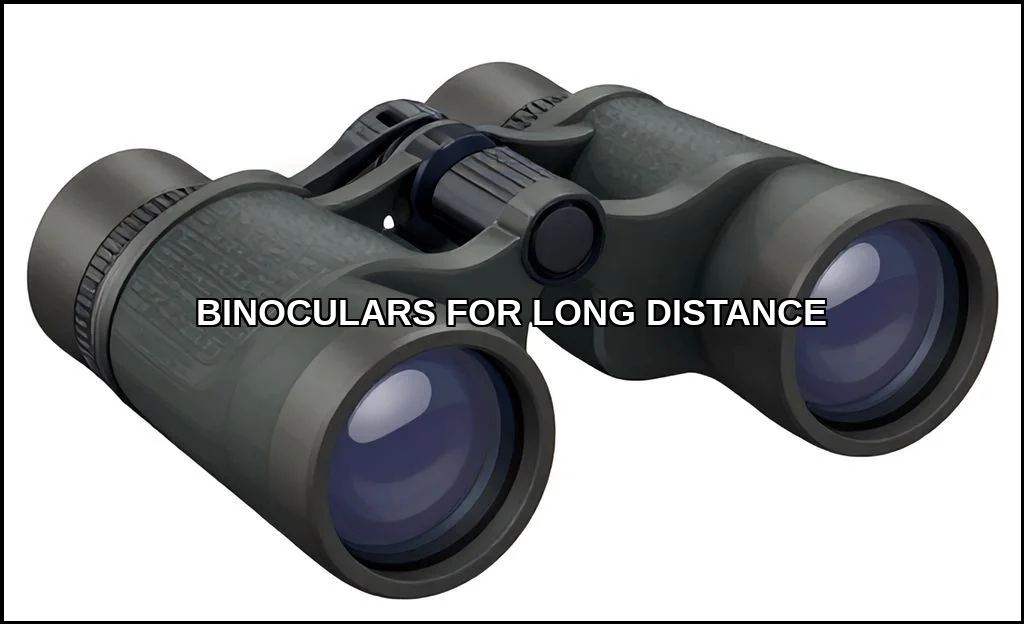
For serious distant observation, you need a tool built for the task. High magnification is just the start. Optical quality, build durability, and proper fit are equally critical. Many enthusiasts, especially those into stargazing binoculars or hunting optics, start their search with a solid mid-range option. For instance, the 20×70 Binoculars ults offers a powerful 20x magnification with large 70mm objective lenses, making it a popular choice for those first venturing into serious long range viewing of land, sea, or sky.
Understanding Magnification and Objective Lens Size
These two numbers, like 10×42 or 20×70, define your binoculars’ core capability. The first is magnification. A 10x binocular makes an object appear ten times closer. For far away objects, you might think “bigger is better.” Not so fast. Higher magnification (like 15x or 20x) amplifies every tiny hand movement, making a stable view nearly impossible without a tripod. It also narrows the field of view.
The second number is the objective lens diameter in millimeters. Larger lenses (50mm, 70mm) gather more light, creating a brighter image. This is paramount for astronomy binoculars or dawn/dusk wildlife watching. But they add weight and bulk. The balance between these numbers creates the exit pupil (objective lens magnification). A larger exit pupil (over 4mm) is better for low-light conditions.
What Magnification is Needed?
It depends entirely on your use case and ability to stabilize the view.
- 8x to 10x: The sweet spot for handheld stability. Ideal for general birding, sports, and most terrestrial viewing.
- 12x to 16x: Entering telephoto binoculars territory. Excellent for detailed long distance viewing of stationary or slow-moving subjects, but a tripod is highly recommended.
- 18x and above: The realm of specialized high magnification binoculars. Essential for serious astronomy or the best binoculars for viewing mountains from far away. A rock-solid tripod is mandatory.
Key Features for Long Distance Clarity
Magnification means nothing if the image is blurry, dim, or distorted. Optical quality is king for clarity.
Optical Coatings and Glass
Look for the term fully multi-coated. This means every air-to-glass surface has multiple anti-reflective layers. It maximizes light transmission, contrast, and color fidelity. Inferior coatings (coated, multi-coated) lose precious light, especially critical at extended range. High-quality BaK-4 prisms over BK-7 are another mark of better optics, providing a sharper, brighter edge-to-edge view.
Stability and Fit: The Missing Pieces
Competitors often skip explaining how to physically use binoculars. Diopter adjustment compensates for the difference in strength between your eyes. It’s usually a ring on one eyepiece. Adjust it once for perfect focus. Interpupillary distance is the hinge adjustment that aligns the barrels with your eyes. Get this wrong, and you’ll see blackouts or kidney-bean-shaped shadows. A proper fit is the foundation of a clear view.
Don’t forget eye reliefthe distance your eye can be from the eyepiece while still seeing the full field of view. It’s crucial for eyeglass wearers. For a deep dive on specs, this authority guide is an excellent official source.
Comparing Roof Prism vs Porro Prism Designs
This is about the internal light path. Roof prism binoculars have straight barrels, making them sleeker, more compact, and often more expensive for equivalent optical quality. They dominate the market for their portability and ruggedness.
Porro prism binoculars have the classic offset, zig-zag shape. This design often provides better depth perception and a wider field of view at a lower cost. They can be bulkier. For a stationary setup like binoculars for stargazing and planetary observation, a large Porro prism model can offer outstanding value.
| Feature | Roof Prism | Porro Prism |
|---|---|---|
| Profile | Sleek, straight | Offset, traditional |
| Portability | Generally higher | Generally lower |
| Optical Perf. per $ | Lower (requires phase correction) | Higher |
| Common Use | All-around, field use | Astronomy, value-focused viewing |
Top Use Cases and Recommended Specifications
Your primary activity dictates the ideal tool. Heres how to match the gear to the goal.
Bird Watching and Wildlife
For bird watching binoculars, especially for long distance bird watching, an 8×42 or 10×42 from brands like Vortex or Nikon is the standard. It offers a great balance of light, stability, and detail. Look for a close focus distance under 10 feet for nearby insects or flowers, and robust weatherproofing. If you’re curious about avian intelligence, explore which parrots talk the bestit’s a fascinating tangent for any bird enthusiast.
Astronomy and Stargazing
This demands large objective lenses. A 10×50, 15×70, or 20×80 model is common. Magnification above 15x requires a tripod adapter. Fully multi-coated optics and BaK-4 prisms are non-negotiable here. Brands like Celestron specialize in this niche. These are the ultimate tools for planetary observation and deep-sky exploring.
Marine and Hunting
Durability is paramount. Waterproof binoculars for marine long distance use must be nitrogen-purged to prevent internal fogging. Rubber armoring provides grip and shock protection. For hunting, a 10×42 roof prism is versatile. Consider rangefinder binoculars for precise distance judging. The construction choice matters: armored vs non-armored. Armored bins have a rubber coating that protects against bumps and improves grip in wet conditions.
Scenic and Terrestrial Viewing
For that epic mountain vista, you want high power and a tripod. A 15×56 or 20×60 model lets you pick out incredible detail. A wide field of view is less critical than sharp, high-contrast optics to resolve distant features. This is where you truly appreciate telephoto binoculars.
Durability and Weatherproofing
Your investment needs protection. Look for O-ring seals and nitrogen purging for waterproof and fog-proof performance. Rubber armoring isn’t just for looks; it absorbs impact. Consider the twilight factora calculated number ((Magnification x Objective Lens)) that suggests performance in low light. A higher twilight factor can be useful for dawn or dusk activities.
For keeping an eye on your backyard fauna from indoors, a best birdhouse camera offers a different kind of long-distance observation, blending technology with nature watching.
Maintenance and Care for Long-Range Optics
Treat them like the precision instruments they are. Always use a lens brush or air blower before wiping lenses with a microfiber cloth. Store them in a dry, temperate place with lens caps on. If they get wet, dry the exterior thoroughly. Avoid touching glass surfaces with your fingers. For marine binoculars, rinse with fresh water after saltwater exposure. A well-maintained pair of binoculars can last for decades, becoming a trusted companion for all your distant observation adventures.
Choosing binoculars for long distance is a balance of power, clarity, and practicality. Prioritize optical quality and a proper fit over sheer magnification. Match the specifications to your primary activity, whether it’s tracking a distant eagle or surveying the lunar craters. Invest in durability if you’ll be outdoors often. With the right pair in hand, the distant world snaps into breathtaking focus, revealing details you never knew were there. Now get out there and see it.
