
If you share your home with a large parrot like a Macaw or Cockatoo, you know their nails can become formidable weapons. They also grow constantly, just like their beaks. A dedicated bird grooming station is more than an accessory; it’s a cornerstone of avian health and household harmony. It addresses the need for beak and nail maintenance through natural wear, turning a biological necessity into a simple daily activity.
Think of it as a built-in nail file and beak conditioner. When your bird stands on a properly textured perch, the gentle abrasion files down nails. Chewing and rubbing their beak on the surface helps keep it in shape. This isn’t just about convenience. Overgrown nails can cause foot problems and make perching painful. For a balanced diet that supports strong beak and nail growth from the inside out, many avian specialists suggest supplementing with a cuttlebone or mineral block like the Penn-Plax Bird-Life Calcium. Pairing internal nutrition with external grooming tools creates a complete care routine.
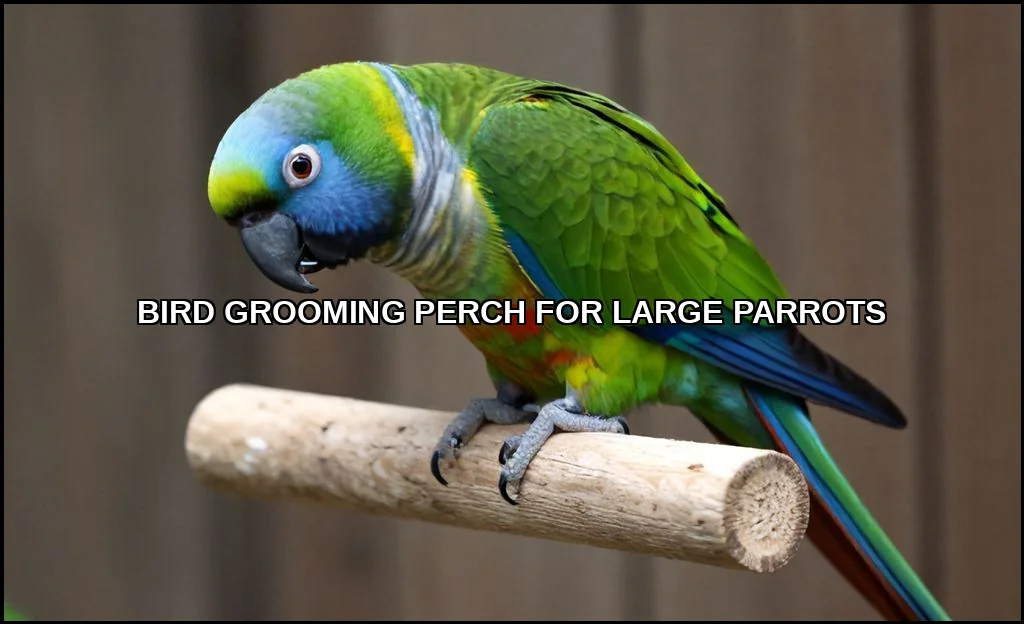
What is a Bird Grooming Perch?
At its core, a bird grooming perch is a utilitarian cage accessory with a specific job. Unlike soft wooden perches, it’s made from a hardened, abrasive materialmost commonly concrete or cement mixed with sand or crushed shells. This creates a durable, textured surface that acts like fine-grit sandpaper under your bird’s weight and movements.
It’s important to distinguish it from a standard large parrot perch. A grooming perch isn’t meant for sleeping or long-term lounging. Its abrasive nature means it should be one of several perch types in the cage, placed strategically for intermittent use. Brands like Polly’s Pet Products and Super Bird Creations have popularized these as essential avian grooming accessories, moving them from niche to mainstream bird care.
Beyond Nails: The Full Spectrum of Benefits for Large Parrots
The primary benefit is obvious: a bird nail filing perch reduces the need for stressful manual trims. But the advantages run deeper, especially for powerful birds.
- Promotes Foot Health: The varied texture stimulates the feet, improving circulation and grip strength. This can help prevent pressure sores (bumblefoot) common in heavier birds.
- Manages Beak Growth: Parrots naturally grind their beaks. A parrot grooming stand with a chewable texture gives them a safe, approved outlet, potentially saving your furniture.
- Encourages Natural Behavior: Grooming is a natural, soothing activity. A dedicated perch supports this instinct, contributing to mental well-being. This is as vital for an intelligent African Grey as learning which words to say.
- Adds Cage Variety: Different diameters and textures are key for musculoskeletal health. A cement grooming perch introduces a crucial textural element to the environment.
Key Features to Look For in a Quality Perch
Not all avian grooming perches are created equal. For a large, strong bird, you can’t compromise on construction. Heres what separates a good perch from a greatand safeone.
Material and Durability
The perch must be made of high-density concrete or cement. Avoid pliable plastic or weak composites that a determined Macaw can demolish in an afternoon. The material should be uniformly mixed to prevent chunks from breaking off. Some premium perches incorporate calcium or minerals, adding a nutritional benefit as the bird chews.
Texture and Grit
This is critical and often overlooked. The texture should be abrasive but not sharp. Think of the difference between fine-grit sandpaper and rough gravel. A surface that’s too rough can cause micro-cuts on tender foot pads. Unfortunately, most brands don’t provide a standardized grit/abrasiveness rating. Your best bet is to feel it yourselfit should feel uniformly gritty, like a well-worn stone, not jagged.
Size, Shape, and Secure Mounting
For a large parrot perch, diameter is paramount. A perch that’s too small forces the bird’s toes to curl over the top, preventing proper contact with the grooming surface and straining tendons. For a Macaw or Cockatoo, look for a diameter of at least 1.5 to 2 inches.
Shape matters, too. A slightly contoured or rounded shape is more natural for gripping than a perfectly straight cylinder. Most importantly, the mounting system must be robust. Look for heavy-duty, stainless steel screws and a bracket that won’t wobble or spin under significant weight. A poorly mounted perch is a safety hazard.
Ease of Cleaning
It will get dirty. A non-porous, smooth finish on the non-abrasive parts makes wiping down with a bird-safe disinfectant simple. Some are even dishwasher safe (top rack). This ease of maintenance is a major focus for brands like JW Pet in their bird cage accessories lines.
Proper Placement and Safety: A Practical Guide
Where and how you install this tool is as important as the tool itself. Correct placement answers common questions like where to place grooming perch in cage and how often to replace bird grooming perch.
Strategic Positioning
Never make the grooming perch the highest or most central perch in the cage. Birds prefer to sleep and relax on comfortable, smooth surfaces. Place the bird pedicure perch in a spot your bird frequents but doesn’t camp out onnear a favorite toy, next to the food bowl, or by a climbing rope. This ensures regular, but not constant, use.
Safety First: Vet Recommendations and DIY Warnings
Most avian health product guides agree: the grooming perch should not be the only perch. Offer multiple options. Monitor your bird’s feet initially. If you see any redness or wear, remove the perch immediately and consult your avian veterinarian. Speaking of vets, many veterinarian recommendations stress that these perches are for maintenance, not for correcting severely overgrown nails, which require professional care.
A strong warning on DIY grooming perch warnings: It’s tempting to make your own with concrete mix. Don’t. Achieving a safe, consistent texture is difficult. Homemade versions can contain harmful additives, cure unevenly, or have hidden metal wires for reinforcementa catastrophic risk if exposed. Stick to commercially made, bird-specific products.
Replacement Schedule
Even concrete bird perch models wear down over time. As the abrasive surface becomes smooth, it loses effectiveness. Inspect it monthly. A good rule is to replace it once the texture is visibly worn flat in the most-used spots, typically every 12-18 months for an active large parrot.
Top Product Considerations for Different Needs
While we won’t name a single “best” product, heres a breakdown of what to consider for specific scenarios, helping you solve dilemmas like how to choose a grooming perch for a macaw or find the best concrete perch for cockatoo nail care.
| Bird Type / Need | Key Feature Priority | Consideration |
|---|---|---|
| Powerful Chewers (Macaw, Cockatoo) | Maximum Durability | Seek the most dense concrete construction. Avoid any with plastic end caps that can be pried off. |
| Precise Groomers (African Grey, Amazon) | Consistent, Fine Texture | Look for a perch with a uniformly sandy finish, not a rocky aggregate. A comfortable diameter is key. |
| Multi-Bird Cage | Length & Multiple Mounts | Choose a longer perch to allow multiple birds access without crowding. Ensure the mounting hardware is extra secure. |
| Cages with Play Tops | Versatile Mounting | A parrot grooming stand designed for playtop attachment can encourage grooming outside the cage during playtime. |
Remember, the goal is to complement your bird’s entire lifestyle. Just as you carefully consider what fuels their virtual counterparts, choosing the right physical tools for their real-world care is fundamental.
Integrating the Grooming Perch into Holistic Care
A bird nail trimming perch is a brilliant tool, but it’s not magic. It works best as part of a complete care regimen. This includes a nutrient-rich diet for healthy keratin production, plenty of exercise on various surfaces, and regular wellness check-ups. Even with a perfect sanding perch for parrots, you may still need occasional light nail touch-ups, but the stressful, major trims should become a thing of the past.
For an in-depth look at the science and best practices behind these tools, this authority guide is an excellent official source.
The right grooming perch is a simple upgrade with profound effects. It gives your large parrot agency over its own grooming, reduces stress for both of you, and supports long-term physical health. By focusing on durable materials, safe texture, and smart placement, you turn a basic need into an effortless part of daily life. Your bird gets healthier feet, and you get more peaceful snuggles without the pinpricks. That’s a win-win in any aviary.
