Your bird gets a cut. Your heart skips a beat. In that moment, knowing what to doand what non-toxic products to reach foris everything. Avian first aid isn’t just about stopping bleeding; it’s about choosing a solution that won’t harm your feathered friend during the healing process.
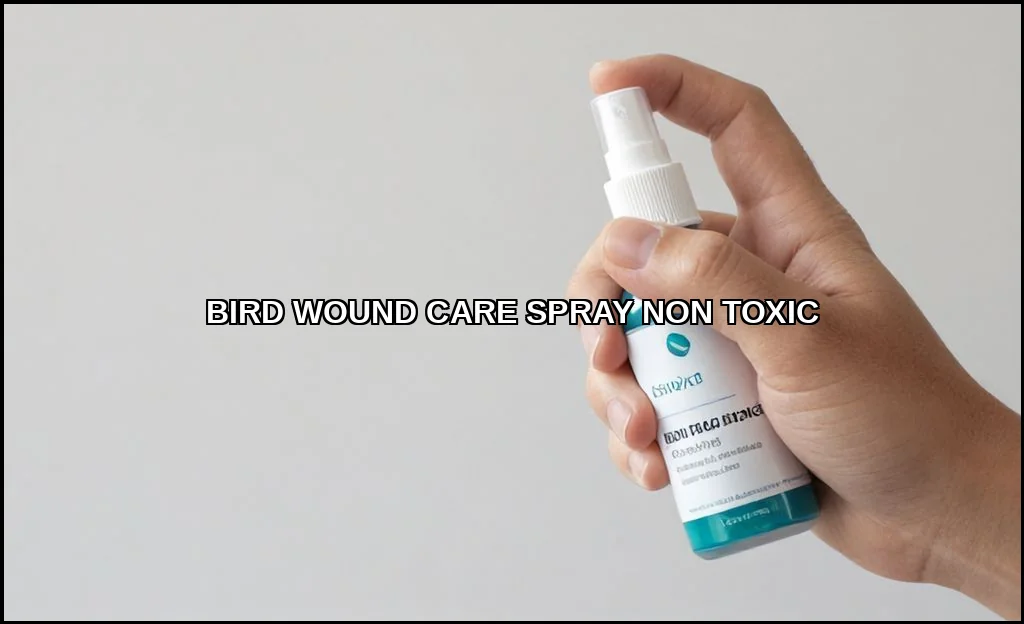
This guide cuts through the confusion. We’ll focus on safe, effective wound care sprays, why ingredient safety is non-negotiable, and how to build a practical action plan. For a trusted option, many avian caregivers rely on Zymox Avian Care. It’s a veterinarian-recommended, enzymatic spray designed to be gentle yet effective, making it a solid cornerstone for any bird first aid kit.
Understanding Bird Wound Care Basics
Birds are masters of hiding illness and injury. It’s a survival instinct. So when you see a wound, it demands immediate, calm attention. The goal is simple: clean the area to prevent infection and create an environment for natural healing. But the execution requires knowledge.
Common injuries include minor cuts from cage toys, broken blood feathers, or scratches from household hazards. Your first step is always to assess. Is the bird bleeding heavily? Is it in shock? For severe trauma, an avian vet is the only answer. For minor wounds, proper home care begins with the right avian-safe disinfectant.
This is where many owners ask, what can I use to clean a bird wound safely? The wrong choice can do more damage than the injury itself.
Why Non-Toxic Ingredients Are Critical for Birds
A bird’s respiratory and metabolic systems are incredibly sensitive. What’s harmless to a dog or cat can be toxic to a parrot or cockatiel. This makes selecting a non-toxic antiseptic a matter of safety, not just preference.
Consider hydrogen peroxide. It’s a common human first-aid staple, but is hydrogen peroxide safe for bird wounds? Generally, no. It can damage delicate tissue, delay healing, and if ingested during preening, cause internal irritation. It’s a classic example of a product that cleans but also harms.
This sensitivity varies by species. A Macaw might tolerate something a tiny Budgerigerian cannot. Peer-reviewed studies on natural ingredients like manuka honey show promising results for wound healing, but concentration and formulation are key. Always prioritize products specifically labeled for avian use.
Top Ingredients to Look For (and Avoid)
Navigating the ingredient list is your most powerful tool for pet bird safety. Heres a quick reference:
| Generally Safe & Effective | Use With Caution or Avoid | Why It Matters |
|---|---|---|
| Hypochlorous Acid (e.g., in Vetericyn) | Essential Oils (Tea Tree, Eucalyptus, etc.) | Many oils are hepatotoxic and can cause respiratory distress in birds. |
| Diluted Chlorhexidine (Vet-directed dilution only) | Povidone-Iodine (Undiluted/Betadine) | Can suppress thyroid function if absorbed; must be thoroughly rinsed. |
| Pure Aloe Vera Gel (Inner leaf only, no additives) | Alcohol or Hydrogen Peroxide | Cause tissue damage, delay healing, and are toxic if ingested. |
| Medical-Grade Manuka Honey | Antibiotic Creams (Neosporin, etc.) | Ingestion during preening can cause fatal digestive upset. |
Look for products with clear labeling about FDA approval status for animal use. Brands like Nature’s Aid often focus on natural antiseptic blends, but always verify every component. When in doubt, an authority guide from avian veterinary resources is invaluable.
How to Properly Apply a Wound Care Spray
Technique matters as much as the product. A stressed bird can injure itself further. Your calm demeanor is part of the treatment.
- Restrain Gently: Wrap the bird in a small towel, exposing only the wound area. Keep its head covered to reduce stress.
- Clean Debris: Use sterile saline or a safe spray to gently flush away any dirt or debris. Never scrub.
- Apply Spray: Hold the bottle 4-6 inches away and mist the area lightly. A fine mist is better than a soaking stream.
- Let it Dry: Allow the product to air dry. Do not rub it in. This prevents the bird from immediately ingesting it while preening.
- Observe: Monitor the wound and your bird’s behavior for signs of infection (redness, swelling, pus) or systemic illness.
This process addresses how to treat a cut on my bird at home for minor issues. For anything deeper, or if you’re unsure, the vet is your next call. Remember, proper care extends beyond emergencies, much like knowing how to take care of a vulnerable chick requires specialized knowledge.
Building a Complete Avian First Aid Kit
Being prepared halves the panic. Your kit should be dedicated, accessible, and checked regularly. Heres what to include beyond your primary bird safe disinfectant:
- Sterile Gauze Pads & Non-Stick Pads: For applying pressure and covering wounds.
- Self-Adhering Vet Wrap: Holds bandages without sticking to feathers or skin.
- Blunt-Tipped Scissors & Tweezers: For cutting tape or removing debris.
- Styptic Powder/Pencil: For stopping minor bleeding from nails or blood feathers.
- Digital Thermometer: To check for hypothermia or fever.
- Your Avian Vet’s Number & Address: Saved in your phone and printed in the kit.
Think of this kit as your first line of defense. It empowers you to handle minor incidents while knowing when professional help is needed. It’s a practical step in holistic non-toxic pet care.
The Natural vs. Chemical Spray Debate
It’s not always a clear-cut choice. “Natural” doesn’t automatically mean safe (remember those essential oils?), and “chemical” doesn’t automatically mean dangerous. Hypochlorous acid, for instance, is a substance naturally produced by the body’s immune cells and is a highly effective, gentle disinfectant used in products like Vetericyn.
The best bird safe spray is one that is proven effective, non-toxic upon incidental ingestion, and minimally irritating. Whether you choose a scientifically formulated option or a best natural antiseptic for parrot injuries like a verified aloe vera gel, the criteria remain the same: safety and efficacy. Your choice should be informed, not just instinctual.
Bird behavior and care are full of fascinating complexities, from first aid to exploring unique reproductive strategies in the wild. Our care for them should be equally nuanced.
When to See the Vet Immediately
No article replaces professional advice. Seek immediate avian veterinary care if:
- The wound is deep, long, or won’t stop bleeding with direct pressure.
- You see signs of infection (heat, yellow/green discharge, foul odor).
- The bird is lethargic, fluffed up, not eating, or having trouble breathing.
- The injury involves the eye, beak, or appears to be a puncture wound.
- You simply have any doubt. It’s always the right call.
Effective avian wound treatment blends preparation, the right products, and clear judgment. Start by auditing your supplies. Get that avian-safe spray. Assemble your kit. Your feathered companion relies on you for their well-being, and with the right knowledge, you can provide care that truly helps them heal.
