10 Birds That Start With P: Pictures & Facts
Contents
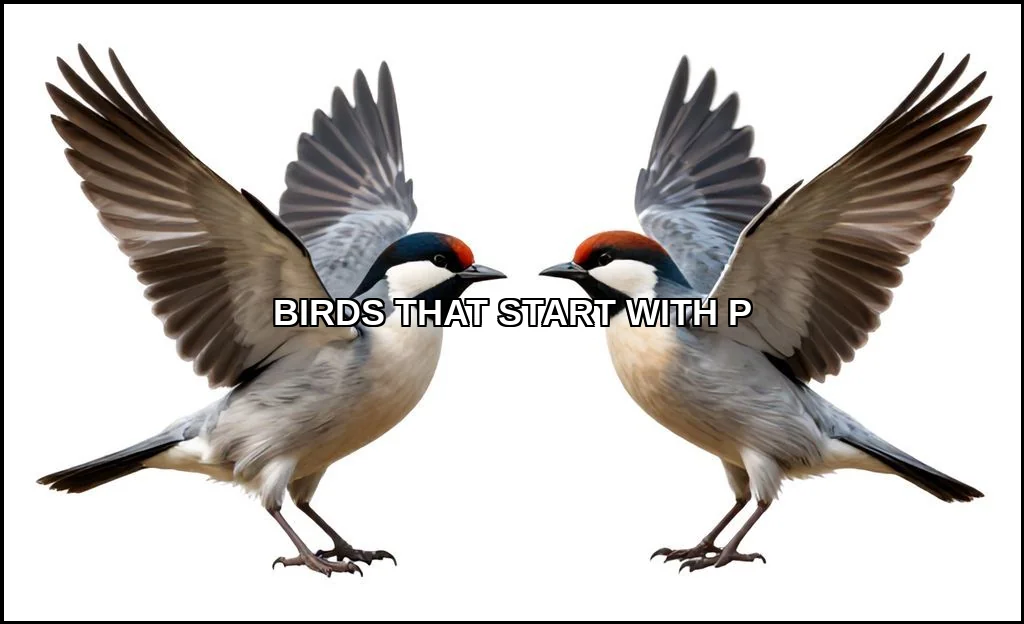
Ever wondered about the variety of birds that start with the letter P? From the familiar parrot at a pet store to the iconic penguin waddling on ice, the avian world is rich with ‘P’ species. This list of birds that begin with p is more than just a fun alphabet exercise. It’s a gateway to understanding global biodiversity, unique adaptations, and the sheer beauty of our feathered friends.
Whether you’re a casual observer, a budding birder, or simply curious, exploring these p-named birds offers a fascinating glimpse into different ecosystems. You’ll find everything from backyard visitors to exotic wonders. For anyone diving into bird identification, a reliable field guide is indispensable. Many enthusiasts find the Smithsonian Handbooks Birds to be an excellent resource for clear photos and detailed species accounts.
Popular P Birds: Parrots, Penguins & Pigeons
Let’s start with some of the most recognizable avian species p has to offer. These birds are cultural icons, each with distinct traits that make them unforgettable.
Parrots (Order: Psittaciformes)
Parrots are renowned for their intelligence, vibrant colors, and ability to mimic sounds. They are primarily tropical and subtropical birds, though many live as beloved pets worldwide. Their strong, curved beaks are perfect for cracking nuts and seeds.
- Key Species: The African grey parrot is famed for its cognitive abilities. The Amazon parrot group, with its many species, is known for its social and vocal nature.
- Habitat: Forests, woodlands, and savannas across the Southern Hemisphere.
- Fun Fact: Some parrots can live for over 80 years, making them lifelong companions.
Penguins
Flightless and fabulous, penguins are the masters of the marine world. Their wings have evolved into flippers, making them expert swimmers. That iconic tuxedo plumage is actually countershading camouflageblack back against the dark ocean depths, white belly against the bright surface light.
- Key Species: The stately Emperor penguin is the tallest, famous for its brutal Antarctic breeding rituals. The smaller Rockhopper penguin sports distinctive yellow crests.
- Habitat: Primarily the Southern Hemisphere, from icy Antarctica to temperate islands.
- Fun Fact: They drink saltwater and have a special gland to filter out the salt.
Pigeons & Doves
Often overlooked, pigeons (rock doves) are among the most successful urban birds on the planet. They are incredibly adaptable and possess a remarkable homing ability. Their soft cooing is a common city soundscape.
- Key Species: The ubiquitous Rock pigeon is the classic city dweller. Mourning doves, with their sorrowful call, are common backyard visitors across North America.
- Habitat: Cities, farms, cliffs, and woodlandsvirtually everywhere.
- Fun Fact: They were once used extensively for carrying messages over long distances.
Exotic P Birds: Peacocks, Pelicans & Pheasants
This group brings the drama. These birds are often larger-than-life, featuring spectacular displays, impressive physiques, and captivating behaviors.
Peacocks (Indian Peafowl)
Technically, “peacock” refers to the male; the female is a peahen. The male’s extravagant tail, or train, is one of nature’s most stunning displays, used to attract mates. Those eye-like spots are called ocelli.
- Key Species: The Indian peafowl is the classic blue and green bird seen in parks and estates globally.
- Habitat: Forest floors and open woodland in South Asia, though introduced widely.
- Fun Fact: The train feathers can make up 60% of the bird’s total body length.
Pelicans
These large water birds are impossible to miss, thanks to their enormous throat pouches. They use this pouch as a dip-net to catch fish, often working together to herd their prey. Their graceful, soaring flight is a sight to behold.
- Key Species: The American white pelican and the Brown pelican are common sights in the Americas.
- Habitat: Coastal waters, lakes, and rivers.
- Fun Fact: They don’t store fish in their pouch; it’s used only for catching and draining water before swallowing.
Pheasants
Pheasants are game birds known for the male’s brilliant, iridescent colors and long, pointed tail feathers. They are often ground-dwelling and can burst into rapid flight when startled. Many species are popular in aviculture and hunting.
- Key Species: The Ring-necked pheasant, with its white neck ring, is a widespread introduced species.
- Habitat: Woodland edges, grasslands, and agricultural areas.
- Fun Fact: Their elaborate courtship displays often involve strutting, wing-dragging, and vocalizations.
Lesser-Known P Birds: Puffins & Others
Beyond the headline acts, the alphabet holds gems for dedicated birdwatchers. These species might require a bit more effort to spot but are incredibly rewarding.
Puffins
Often called “clowns of the sea,” puffins are charming seabirds with large, brightly colored bills during the breeding season. They are excellent flyers and swimmers, using their wings to “fly” underwater in pursuit of fish.
- Habitat: Northern oceans, nesting in burrows on coastal cliffs.
- Fun Fact: They can carry dozens of small fish crosswise in their bill to feed their chick.
Other Notable P-Named Birds
Here’s where we cover some missing entities that add depth to our list of birds that begin with p.
- Painted Bunting: A small, spectacularly colorful songbird of the southern US. The male looks like a flying rainbow.
- Pied Wagtail: A lively, black-and-white bird common in Europe, constantly bobbing its tail.
- Pileated Woodpecker: North America’s largest woodpecker, nearly crow-sized, with a striking red crest and a loud, wild call.
- Ptarmigan: A grouse of Arctic and alpine regions that turns pure white in winter for camouflage.
These species show the incredible range within birds beginning with p, from tiny, colorful Passerines (perching birds) to powerful woodpeckers.
Birdwatching Tips for P Species
Ready to go out and spot some of these p letter birds? A little preparation makes all the difference. Modern birding blends traditional skills with great technology.
Gear Up Smartly
You don’t need the most expensive gear to start. Focus on the essentials that enhance your experience without breaking the bank.
- Binoculars: A decent pair of 8×42 binoculars is the birdwatcher’s primary tool. They offer a good balance of magnification, light gathering, and field of view.
- Field Guide: A physical book or a trusted app. The Cornell Lab of Ornithology’s “Merlin” app is a fantastic free tool for ID.
- Journal: Note the date, location, species, and behavior. Patterns emerge over time.
Know Where and When to Look
Habitat is everything. You won’t find a penguin in a forest or a pheasant in the open ocean. Use resources like eBird, an authority guide for recent sightings, to plan your outings. Timing matters too; many birds are most active at dawn. Understanding life cycles is keyfor instance, knowing when certain birds breed explains seasonal behaviors.
Attract Birds to You
Creating a bird-friendly space at home is deeply satisfying. It turns your yard into a living laboratory.
- Food: Different seeds attract different species. Black-oil sunflower seeds are a universal favorite.
- Water: A birdbath, kept clean, is a major draw year-round.
- Shelter: Native plants provide food and cover. Consider installing one of the best birdhouses to offer nesting sites and a unique viewing opportunity.
From the parrot’s chatter to the penguin’s waddle, birds that start with the letter p showcase evolution’s creativity. They fill niches from bustling cities to remote polar edges. This exploration is more than a list; it’s an invitation to slow down and observe. Grab your guide, step outside, and see which p-named birds you can find in your own corner of the world. The adventure begins with a single glance upward.