How to Train Your Parrot to Talk: A Practical Guide
Contents
You want your parrot to talk. Right now. You’ve seen the videos, heard the stories, and now you’re ready for that interactive companion. The answer is a definitive yes. Parrots can be trained to talk. But you need the right strategy. This isn’t about magic. It’s about science, patience, and a direct action plan. Start implementing these steps immediately.
Forget vague advice. This is your blueprint. We’re covering species selection, proven training methods, and the critical mindset you must adopt. Your success depends on it. Let’s begin.
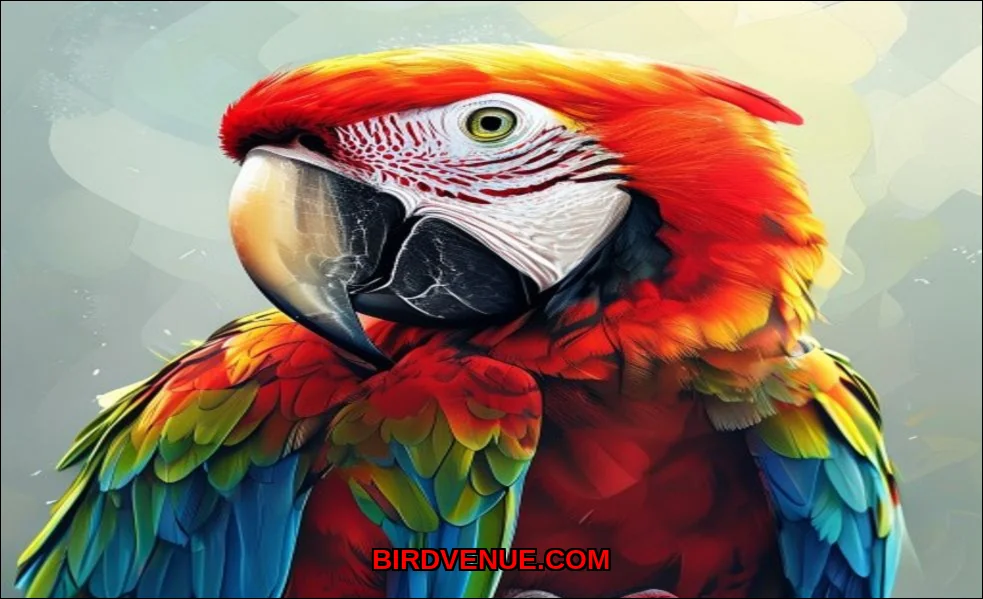
Yes, Parrots Can Be Trained to Talk – Here’s How
Parrot speech training hinges on one core principle: vocal learning. This is the biological ability to hear, process, and reproduce sounds. It’s what separates parrots from most other pets. They aren’t just making noise. They are actively learning and mimicking the sounds in their environment, especially those associated with social bonding and reward.
Your job is to become that primary source of rewarding sounds. This process is built on positive reinforcement. Every time your bird makes an attempt, even a garbled one, that leads toward a desired word, you reward it. A favorite treat, enthusiastic praise, or a head scratch. The association is clear: specific sound equals good outcome. A tool like the Getting Started Clicker can sharpen this connection, marking the exact moment of a correct attempt with a clear, consistent signal.
Understand this from the start: you are not teaching language comprehension. You are teaching mimicry. Your parrot learns the context of a word through your tone, body language, and the situation. Saying “hello” when you enter the room creates a powerful link. This is the foundation of all bird talking training.
Start Training Your Parrot Immediately With These Steps
Procrastination kills progress. Set up your first session today. Follow this step-by-step guide to teach your parrot to talk.
- Choose Your Word. Start with one or two simple words. “Hello,” “Hi,” or your bird’s name. Use a high-pitched, enthusiastic tone. Parrots are drawn to excited, clear sounds.
- Create the Right Environment. Training happens in a quiet, distraction-free zone. Your bird should be calm, perched, and slightly hungry (treat motivation is higher).
- Repeat, Repeat, Repeat. Say your chosen word clearly 15-20 times in a row. Do this multiple times a day. Short, frequent sessions (5-10 minutes) are far better than one long, frustrating hour.
- Mark and Reward ANY Attempt. The moment you hear a chirp, click, or sound that resembles the word, immediately say “Good!” and give a treat. You are shaping the behavior. Reward the effort first, then refine it.
- Be Painfully Consistent. Use the same word, the same tone, and the same reward. Consistent training builds neural pathways. Inconsistency breeds confusion and silence.
How long does it take to train a parrot to talk? It varies wildly. A gifted small talking parrot like a Budgie might mimic a word in weeks. A larger species may take several months of daily work. The key metric is not days on a calendar, but the consistency of your sessions.
This article is part of our bigger Parrot Talking & Mimicry: Complete Guide hub.
Choose the Right Parrot Species for Speech
Not all parrots are created equal for speech. Your chances of success skyrocket if you start with a species known for vocal prowess. This is non-negotiable. If a talking bird is your primary goal, select from proven talkers.
What is the easiest parrot to train to talk? While individual personality matters, these species are renowned for their clarity and vocabulary potential.
| Species | Speech Profile | Key Consideration |
|---|---|---|
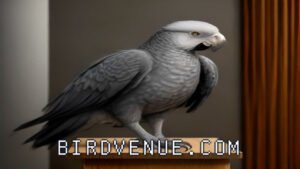
| African Grey Parrot | Exceptional clarity, large vocabulary, understands context. | Demanding, sensitive, requires immense mental stimulation. |
| Amazon Parrot | Clear, loud voice, often enjoys singing. | Can be territorially aggressive; needs firm socialization. |
| Budgerigar (Budgie) | Small but mighty; holds records for largest vocabularies. | Voice is often high-pitched and mumbled; requires sharp listening. |
| Eclectus Parrot | Clear speech, distinctive voice. | Pronounced male/female differences; females can be more independent. |
| Indian Ringneck Parrot | Very clear, human-like tone. | Can go through a “bluffing” phase during adolescence. |
Can all parrot species learn to talk? No. Many parrots, like most Cockatoos and Macaws, are capable of learning a few words, but they are generally better at whistles, screams, and sound effects. They are incredibly intelligent birds, but their intelligence is often expressed through problem-solving and physical manipulation, not necessarily speech mimicry. For a broader look at species suited to home life, explore our guide on the best household parrots that can talk.
Critical Missing Insight: Age is a massive factor. Young parrots, especially during their first year, are in a critical window for vocal learning. This is when their brains are most plastic and eager to absorb sounds from their flock (you). An older, rehomed bird can still learn, but it may take longer and require more patience.
Avoid These Common Training Mistakes
You can follow every step and still fail if you make these errors. Eliminate them from your approach.
- Training When the Bird is Distracted. Never compete with TV, other pets, or outside noise. You will lose. Full attention is mandatory.
- Showing Frustration. Your parrot reads your energy. Anger, impatience, or a sour tone teaches them that training is a negative experience. Stay positive, always.
- Skipping Social Bonding. Speech is a social behavior for parrots. They mimic those they are bonded with. If your relationship is weak, the motivation to communicate with you is low. Spend time just hanging out, playing, and building trust outside of training sessions.
- Neglecting Whistle Training. Many birds find whistling easier than forming words. This is a fantastic gateway. Teach a simple whistle tune. It proves the bird understands the mimicry game, building confidence for the more complex task of word formation.
- Using Inconsistent Cues. Saying “Hello” one time and “Hi there” the next confuses them. Pick one cue per desired action and stick to it religiously.
Understand What Your Parrot is Actually Saying
This is the profound shift. Your parrot is not a tape recorder. It’s a social being using learned sounds to interact. When your bird says “Hello” as you walk in, it’s not defining a greeting. It’s replicating the sound you make during that exciting social event (your arrival). It’s communicating, “The flock member is here! Interaction time!”
This is the fascinating nuance of parrot vocalization. They attach emotion and context to sounds. A word said excitedly at mealtime versus a word mumbled when bored are two different communications to them. Pay attention to the circumstance when your bird speaks. You’ll start to decode its meaning.
For a deep dive into the science of how this incredible ability works, from brain structure to social dynamics, read this excellent resource on how parrots learn to talk and communicate.
The Role of Social Interaction: A lonely parrot is a quiet parrot. Or a screaming one. They learn words to engage with their flock. If left alone in a cage all day with no interaction, even the most gifted species has little reason to speak. Your presence, your conversation (even one-sided), and your engagement are the fuel for their speech imitation.
Your Toolkit for Success
Beyond treats and clickers, your environment is a tool. Ensure your bird has a stimulating cage with plenty of safe toys to prevent boredoma bored bird focuses its energy elsewhere. Playstands in social areas of your home encourage observation and participation in family sounds. Remember, everything they hear is potential material.
So, can parrots be trained to talk? Absolutely. The path is clear. Select a species known for speech. Start training young with relentless consistency and positive reinforcement. Bond deeply with your bird. Avoid the common pitfalls. Most importantly, understand that you are not programming a machine. You are fostering a unique, intelligent relationship built on mutual communication. The first clear word is just the beginning. Now go start your first session.