You’ve probably seen those incredible videos. A parrot perfectly recites a line from a movie or greets its owner with a cheerful “hello!” It’s natural to wonder if bringing a parrot home means you’ll gain a feathered conversationalist. The short answer is no, not all parrots can talk. But many can, and understanding why separates myth from reality.
Parrot speech is a fascinating blend of biology, intelligence, and individual personality. It’s not a guaranteed trait for the entire parrot family. Your journey to understanding this starts by looking at the species, the science behind the sounds, and the environment you create.
Not All Parrots Are Created Equal: Species That Talk Best
If your primary goal is a talking bird, your choice of species is the single biggest factor. Some parrots are renowned chatterboxes, while others may only ever whistle or squawk. It’s a spectrum of ability.
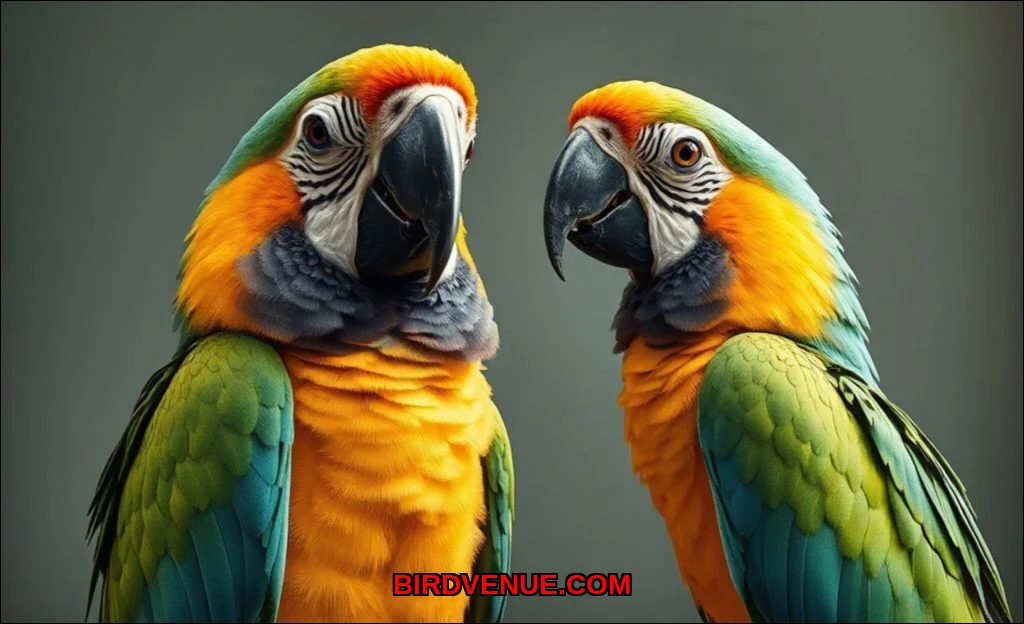
The champions of mimicry are often considered the best talking parrots. The African Grey Parrot is in a league of its own, known for its extensive vocabulary, clear pronunciation, and uncanny ability to use words in context. Amazon Parrots are also exceptional talkers, often with louder, clearer voices. Don’t overlook smaller species; Budgerigars (Budgies) can learn hundreds of words, though in a high-pitched, fast chatter, and Indian Ringneck Parakeets are famously articulate.
Other species have strong potential but with caveats. Cockatoos are brilliant and can learn words, but they are often more focused on whistling and sounds. Macaws can talk, but their loud, natural calls often take precedencethey’re not typically the most prolific speakers. Conure species and Quaker Parrots fall into a middle ground; some individuals become great talkers, while others prefer other forms of communication.
If you’re looking for a smaller companion with a big voice, explore our guide to small parrots that can talk for more detailed comparisons.
Which Parrot Species Can Talk the Best?
Ranking “best” depends on your criteria. For sheer vocabulary and contextual awareness, the African Grey is unmatched. For clarity and volume, many Amazon species excel. For a first-time owner wanting a talking bird, a Budgie or Cockatiel offers a more manageable entry point with surprising potential. The question “can African Greys talk better than Macaws?” typically has a clear answer: yes, in terms of consistency and desire to mimic human speech.
Why Can Some Parrots Talk? Anatomy & Intelligence
This ability hinges on two key elements: specialized anatomy and advanced cognitive function. It’s not magic; it’s evolutionary biology.
Unlike humans, who use a larynx, parrots have a unique organ called the syrinx. Located where the trachea splits into the lungs, this structure allows for incredible control over airflow and muscle modulation. Think of it as a built-in, double-barreled sound synthesizer. This gives them the physical capability to reproduce a vast array of sounds, from other bird calls to the complex tones of human speech.
The physical tool is useless without the software to run it. This is where vocal learning comes in. Parrots are among the few animal groups capable of true vocal learninghearing a sound, processing it, and reproducing it. This cognitive skill is linked to their high intelligence and complex social structures. In the wild, speech imitation isn’t for conversation; it’s a social bonding mechanism. Flock members learn each other’s calls. In your home, you become their flock, and your words become the calls they learn.
It’s critical to remember this is mimicry, not language comprehension. They associate sounds with outcomes (e.g., saying “hello” gets your attention) but don’t understand syntax or meaning as we do. For a deeper dive into this fascinating process, this external resource on how parrots learn to talk and communicate offers excellent scientific insight.
Factors That Determine If Your Parrot Will Talk
So you have a species known for talking. Will your individual bird talk? Several variables come into play, answering the common owner’s worry: “why can’t my parrot learn to talk?”
- Individual Personality: Just like people, some parrots are shy, some are bold, and some simply aren’t interested in mimicking human speech. They might prefer whistling or mimicking household sounds.
- Age & Socialization: Younger birds are generally more adept at learning new sounds. A bird that is well-socialized and feels safe is more likely to engage in vocal play and learning.
- Environment & Interaction: A bored, stressed, or ignored parrot won’t be in a learning mood. Consistent, positive interaction is the fuel for vocal development.
- Your Teaching Method: How you approach training makes a monumental difference. Yelling words at a scared bird is counterproductive.
Creating the right environment is key. This includes proper household setups for parrots that can talk, a nutritious diet (think quality Parrot Food), and a spacious, stimulating Bird Cage.
How to Encourage Your Parrot to Learn Words & Phrases
Teaching a parrot to talk is less about formal instruction and more about creating opportunities for mimicry. Your mantra should be consistency and positivity.
1. Start with Social Bonding
Your bird must see you as a friend. Spend time near the cage, talk softly about your day, and offer treats from your hand. This builds trust. Without a bond, your words are just noise.
2. Use Clear, Repetitive Association
Choose one or two simple words to start, like “hello” or the bird’s name. Say the word clearly and enthusiastically right before a positive event. Say “hello!” every time you uncover the cage in the morning. Say “good!” when offering a favorite treat. The association between the sound and the reward is powerful.
A tool that can greatly aid this process is a Getting Started Clicker. The sharp, consistent sound of a clicker acts as a perfect “bridge” to mark the exact moment your bird does something you like, making it clearer for them what behavior is being rewarded, including attempts at vocalization.
3. Incorporate Training Sessions & Tools
Keep sessions short (5-10 minutes) and fun. Use high-value Training Treats as rewards. You can use the clicker method: wait for any sound from the bird, immediately click, then treat. This encourages general vocalization. Later, you can wait for sounds that approximate your target word before clicking.
4. Leverage Everyday Life and Technology
Parrots are excellent at picking up sounds they hear frequently. Narrate your actions (“I’m making coffee”). Leave a radio on at low volume when you’re out. Some owners have success with recorded phrases played on a loop, but live, interactive speech is always more effective.
How Long Does It Take to Teach a Parrot to Talk?
There’s no universal timeline. A gifted young African Grey might say its first word in a few months. Another bird of the same species might take a year or never speak. The key is patience. Pushing too hard can cause stress and setback. Celebrate any new vocalization, even if it’s not a word yet.
5. What to Do If Your Parrot Isn’t Talking
First, ensure all its basic needs are met: a vet-checked bill of health, a proper diet, ample sleep, and mental stimulation. Increase one-on-one bonding time. Switch your focus to teaching fun tricks with the clickerthis builds communication and confidence without the pressure to speak. Your bird might simply be a whistler, not a talker, and that’s perfectly okay. Their value isn’t in their vocabulary.
The reality is that while many parrot species possess the anatomical and intellectual capacity for speech, it is never a guarantee. Choosing a species known for vocal learning increases your odds, but the individual bird’s personality is the final deciding factor. Your role is to provide a nurturing, engaging, and patient environment. Whether your parrot ends up reciting Shakespeare or simply whistling a happy tune, the real communication is in the bond you build. That silent understanding is worth more than a thousand mimicked words.
