Can Finches Eat Strawberries? Safe Feeding Tips
Contents
So, you’re eyeing those fresh strawberries and wondering if your finch can have a taste. It’s a great question. Many bird owners want to share healthy human foods, but navigating a finch diet requires a bit of know-how. The short answer is yes, but with important caveats. Let’s unpack the details of pet bird feeding with this popular fruit.
Offering treats like strawberries can enrich your bird’s life. However, their primary nutrition should come from a high-quality base diet. Many avian vets recommend a pelleted diet from brands like Kaytee or Lafeber’s, supplemented with fresh foods. For serving these treats, having the right tools helps. A dedicated MotBach 3 Pack of small stainless steel bowls is perfect for offering fresh fruits and keeping them separate from seed mixes, ensuring cleanliness and portion control. You can find them here.
Are Strawberries Safe for Finches?
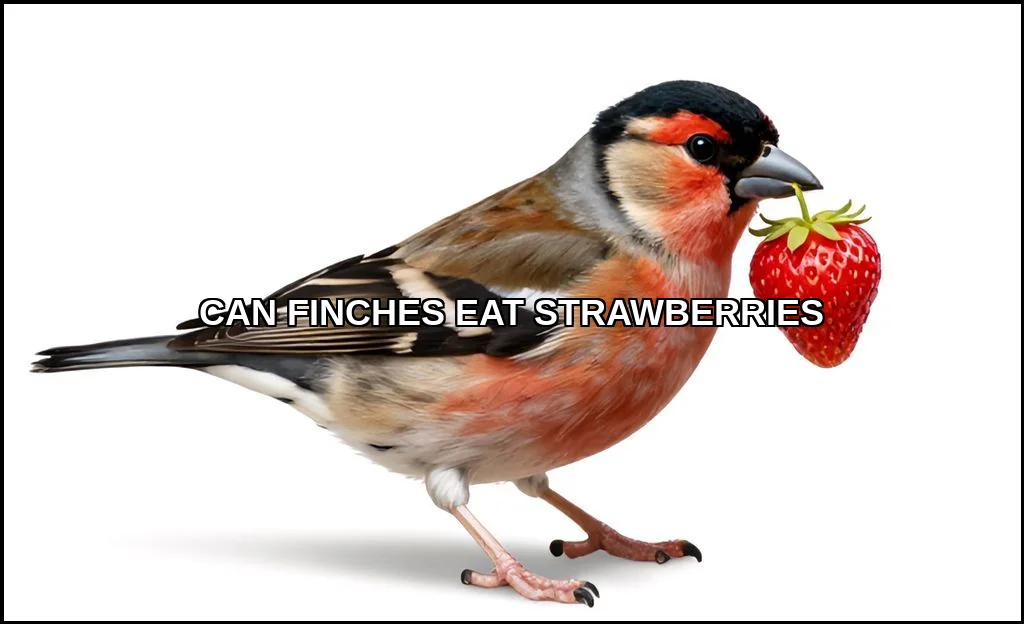
Generally, strawberries are safe for most finch species when prepared correctly. This includes common pets like the Zebra Finch, Society Finch, and the stunning Gouldian Finch. They are considered one of many bird safe fruits. But “safe” doesn’t mean “unlimited.” The core principle in avian nutrition is moderation. Think of strawberries as a occasional treat, not a staple. This is true for both pet finches and considerations for wild finch food at feeders.
Nutritional Benefits of Strawberries for Finches
Strawberries pack a beneficial punch for such a small fruit. They offer hydration, fiber for digestion, and key vitamins. The most notable is vitamin C for birds, an antioxidant that supports immune health. They also contain manganese and folate. Heres a quick breakdown of their value in a finch fruit diet:
- Vitamin C & Antioxidants: Boosts immune function and combats cellular stress.
- Dietary Fiber: Aids in healthy digestion and gut motility.
- High Water Content: Provides supplemental hydration, especially in warmer months.
- Natural Sugars: Offers a quick energy source, which is why portion control is critical.
When comparing to other berries, strawberries have a moderate sugar content. Blueberries and raspberries often have slightly lower sugar and higher antioxidant levels, making them excellent alternative fruits for finches as well.
How to Prepare and Serve Strawberries Safely
Preparation is everything. A poorly served strawberry can pose risks, while a properly prepped one is a delightful snack. Follow these steps for feeding strawberries to birds safely.
Step-by-Step Preparation Guide
- Source Wisely: Opt for organic strawberries when possible to minimize exposure to toxic pesticides. This is a major competitor focus area for a good reason.
- Wash Thoroughly: Even organic fruit needs to be thoroughly washed under cool running water. A vinegar-water soak can help remove residues.
- Remove Inedible Parts: Always cut off the green strawberry leaves and strawberry stems. They offer no nutritional value and can be tough to digest.
- Chop Appropriately: The fruit should be chopped into small pieces appropriate for your finch’s tiny beak. A pea-sized piece is a good starting point.
- Serve Fresh: Place the pieces in a clean dish, like one from that MotBach 3 Pack. Remove any uneaten fruit within a few hours to prevent spoilage.
Addressing Common Questions
This is where we tackle those specific long-tail queries competitors often miss.
If you want to go deeper on this topic, our guide to parrot talking and mimicry covers it step by step.
- Should you remove strawberry seeds for finches? No. The tiny external seeds (achenes) are not a choking hazard for finches and are safe to consume.
- What’s the best way to prepare strawberries for finches? As outlined above: wash, de-stem, and chop. It’s that simple.
- How often can finches eat strawberries? Once or twice a week is sufficient. A small piece per bird is plenty.
- Can baby finches eat strawberries? It’s best to wait until they are fully weaned and eating an adult diet reliably. Their primary food should be what their parents are feeding them or a specialized hand-feeding formula.
Consider seasonal feeding as well. Strawberries are a summer fruit, and offering seasonal produce can provide natural variety in their diet.
Potential Risks and What to Avoid
Ignoring these risks turns a healthy treat into a problem. The main concerns aren’t the fruit itself, but what comes with it or how it’s given.
1. Pesticides and Chemicals
This cannot be overstated. Conventionally grown strawberries frequently top the “Dirty Dozen” list for pesticide residue. These toxic pesticides can be harmful or fatal to small birds. Always wash meticulously, or choose organic.
2. High Sugar Content and Overfeeding
The natural sugars in strawberries, while not inherently bad, can lead to weight gain and nutritional imbalance if overfed. A finch filling up on strawberry pieces will ignore its nutritionally complete pelleted diets or bird seed mixes. Moderation is your guiding rule.
3. The Oxalic Acid Consideration
Here’s a missing entity worth discussing. Strawberries contain a low to moderate amount of oxalic acid, a compound that can bind to minerals like calcium. In very high, consistent amounts, it could contribute to calcium deficiency. However, the tiny, infrequent portions recommended for finches make this a negligible risk for most healthy birds. It’s simply good to be aware of the compound’s presence.
4. Mold and Spoilage
Fresh fruit spoils quickly. Uneaten strawberry pieces must be removed from the cage within 2-3 hours to prevent your bird from ingesting harmful bacteria or mold.
Alternative Healthy Fruits for Your Finch
Variety is the spice of life, and it’s crucial for a balanced finch diet. Rotating fruits ensures a broader range of nutrients and prevents boredom. Here are top alternatives, many being berry types perfect for comparison.
| Fruit | Key Benefit | Serving Tip |
|---|---|---|
| Blueberries | Very high in antioxidants, lower in sugar than strawberries. | Offer whole or halved; no need to peel or seed. |
| Raspberries & Blackberries | Excellent fiber source, support digestive health. | Mash slightly or offer a small piece of a single berry. |
| Melon (Cantaloupe, Honeydew) | High water content, great for hydration; rich in Vitamin A. | Remove all rind and seeds, serve a tiny cube. |
| Papaya | Contains digestive enzymes (papain), aids in nutrient absorption. | Fresh is best; remove seeds and skin, serve a small piece. |
| Apple | A readily available, low-fat option. | Always remove seeds and core, serve a thin slice. |
Introducing new foods takes patience. Offer a tiny piece alongside familiar favorites. For more insights on natural bird diets, the Audubon Society provides an excellent authority guide on what birds eat in the wild.
Building a Complete Finch Diet
Fruits are just one component. A robust diet for your finch should be built on a foundation of:
- High-Quality Pellets: Formulated to provide complete nutrition (brands like Higgins offer good options).
- Fresh Vegetables: Dark leafy greens like kale and spinach (in moderation due to oxalic acid) should be offered more frequently than fruit.
- Limited Seed Mixes: Seeds are high in fat and should not be the sole diet. Think of them as the finch equivalent of junk food.
- Clean Water: Fresh water must be available at all times, changed daily.
Just as you’d research the which parrots talk before buying one, understanding dietary nuances is key to pet bird care. And providing the right environment, like choosing the best birdhouse cameras for outdoor species, complements good nutrition.
So, can finches eat strawberries? Absolutely. A tiny, well-washed piece of strawberry, offered infrequently, is a safe and enjoyable treat. The real takeaway is perspective. See strawberries not as a dietary essential, but as a small part of a much larger nutritional picture. Your focus should remain on a balanced base diet, clean water, and a safe environment. Thats how you ensure your finch thrives, with the occasional sweet red berry as a simple bonus.