Can Older Parrots Learn to Talk? What to Know
Contents
You’ve brought home an older parrot. Maybe it’s a rescue, a rehomed bird, or a companion you’ve had for years who’s never spoken. The question lingers: can old parrots learn to talk? The short answer is a hopeful, qualified yes. While age is a factor, it’s rarely an absolute barrier.
Parrot speech training for an older bird is a different journey than with a chatty chick. It requires patience, understanding, and a shift in expectations. But the potential for vocal learning ability in mature parrots is often underestimated. This isn’t about forcing a trick; it’s about unlocking a form of communication and strengthening your bond.

Understanding Parrot Vocal Learning at Different Ages
Think of a parrot’s ability to mimic sounds as a skill with a prime learning period. For many species, this vocal learning window is most open during their juvenile phase, often up to 2-4 years old depending on the breed. This is when their brains are exceptionally plastic, soaking up sounds from their environment with ease. It’s why young household parrots that can talk often start babbling surprisingly early.
However, “window” doesn’t mean “slammed shut.” The concept of neuroplasticitythe brain’s ability to form new connectionspersists in parrots throughout life. An older bird isn’t a blank slate, but it’s not a locked vault either. Its existing knowledge and habits shape how it learns new things. The process might be slower, and the repertoire might be smaller, but the capacity for learning often remains.
Key Factors That Influence Speech Acquisition in Older Parrots
Whether you can teach an older parrot to talk depends on more than just its birthday. Several elements converge to determine the success rate for teaching old parrots to talk.
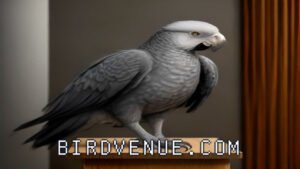
- Species: Some parrot species are simply more prolific talkers. An older African Grey Parrot or Amazon Parrot has a higher innate potential for complex speech than, say, a Macaw (known more for loud calls) or a Cockatoo. Even among smaller birds, a senior Budgerigar (Budgie) might pick up words more readily than other species.
- Individual Personality & History: Was the bird socialized around talking humans? Does it seem curious and attentive to sounds? A traumatized or neglected bird may need to build trust before it even considers mimicking you. Its past environment plays a huge role.
- Your Relationship & Environment: Speech in parrots is deeply tied to social bonding. Your bird is most likely to mimic you if it sees you as its flock. A quiet, interactive home is more conducive than a chaotic, noisy one.
- Hearing Health: This is a critical, often overlooked factor. An older parrot with diminished hearing cannot accurately replicate sounds. If you suspect hearing loss, a vet check is essential.
Effective Training Techniques for Mature Parrots
Teaching adult parrots requires a gentle, pressure-free approach. Forget marathon sessions. Think short, positive, and consistent interactions. Your goal is to make word association rewarding and fun.
This article is part of our bigger Parrot Talking & Mimicry: Complete Guide hub.
Building a Foundation for Speech Development in Birds
Start by ensuring your bird’s core needs are met. A stressed, bored, or unhealthy bird won’t be in a learning mood. Provide ample parrot enrichment toys and out-of-cage time. Focus on building a strong bond through calm interaction. Once your parrot is comfortable, eager for your attention, and vocally active (even if just whistling or squawking), you can begin more directed training.
Step-by-Step: How to Train an Adult Parrot to Speak
- Choose Your Words Wisely: Start with short, clear, high-interest words. “Hello,” “Good,” your name, or a favorite food like “Apple.” Use an enthusiastic, consistent tone.
- Create Clear Associations: Say the word right as you perform the action. Say “Hello!” every time you uncover the cage in the morning. Say “Apple!” right before offering a piece. This links the sound to a specific, positive event.
- Leverage Existing Sounds: Does your parrot already make a specific noise or whistle? Try to shape it. If it goes “wheee,” you can slowly morph that into “wheat” or “sweet.”
- Embrace Consistent Training in Micro-Sessions: Two to three five-minute sessions per day are far better than one long, frustrating hour. End every session on a positive note, even if it’s just with praise for being attentive.
- Use Tools to Your Advantage: Clear communication is key. For this, many trainers find a marker tool invaluable. A Getting Started Clicker can be an excellent bird training tool. The sharp, consistent “click” sound marks the exact moment your bird does something desirablelike making a sound close to your target wordallowing you to precisely communicate what earned it a reward.
The Science Behind Parrot Speech Capabilities
Parrot intelligence is what makes this all possible. Unlike most animals, parrots possess a specialized brain structure called the “song system,” analogous to areas in the human brain used for speech. This allows for complex mimicry ability and vocal learning. They don’t just mindlessly repeat; they can associate words with meanings, objects, and contexts.
A fascinating resource that dives deeper into this biology is this external exploration of how parrots learn to talk and communicate. It underscores that this mimicry is a sophisticated form of bird communication and social integration, not a mere party trick.
| Species | Typical Speech Learning Peak | Notes on Older Bird Talking |
|---|---|---|
| African Grey Parrot | 1-4 years | High potential for learning new words/phrases well into senior years with methodical training. |
| Amazon Parrot | 2-5 years | Known for clear speech; older Amazons can learn, especially songs or emotional exclamations. |
| Budgerigar (Budgie) | 3-6 months | While best young, patient training with an older Budgie can yield results, especially with males. |
| Cockatoo | 1-3 years | Less prolific talkers; older birds more likely to learn whistles & sounds than clear words. |
| Macaw | 2-5 years | Can learn words, but often prefers loud contact calls. Training focus may be better on non-verbal cues. |
Setting Realistic Expectations and Success Stories
So, what age is too old for a parrot to learn? There’s no hard cutoff. There are documented cases of parrots in their 20s, 30s, and beyond picking up new vocalizations. The decline is usually gradual, related more to overall health and mental stimulation than a specific age threshold.
Your success hinges on realistic goals. Aim for a few clear words or sounds, not a Shakespearean soliloquy. Celebrate the attempta mumbled approximation, a new whistle in response to youas a victory. This positive reinforcement fuels further learning. Remember, some of the best small parrots that can talk started their training later in life with dedicated owners.
What Success Looks Like
- The Late Bloomer: A 15-year-old rescue Amazon, never known to talk, slowly starts saying “Hello” after 6 months of daily, association-based interaction.
- The Sound Adopter: An older Cockatiel begins incorporating the sound of your microwave beep or telephone ring into its repertoire, a sign of active auditory processing.
- The Bond-Based Mimic: A rehomed African Grey, initially silent, begins softly repeating its new owner’s favorite phrase after a year of trust-building, linking the sound to a positive social connection.
These stories highlight that parrot vocalization age is just one data point. The quality of your interaction is the true engine of change.
Teaching an older parrot to talk is absolutely possible. It challenges the myth that learning has an expiration date. Your journey won’t be about racing against a developmental clock. It will be about patience, observing your bird’s unique personality, and using the best methods for training mature parrots: short, positive sessions, clear sound associations, and a deep focus on your mutual bond. The first clear word from an older bird isn’t just speech. It’s a testament to trust, intelligence, and the remarkable, lifelong capacity for connection that defines these incredible creatures. Start where you are, use what you have, and enjoy the conversation as it unfolds.