Getting a child interested in birds is a gift that lasts a lifetime. It opens a door to the natural world right outside the window, turning a simple walk into a treasure hunt. A great children’s bird identification book is the perfect key. Its more than just a book; it’s a passport to adventure, curiosity, and quiet observation.
Think about the last time you saw a kid truly captivated by something. That’s the magic a well-chosen guide can spark. For a hands-on start, many families love the Backpack Explorer Bird kit. Its not just a bookits an activity pack with a magnifying glass and stickers, designed to go from the living room floor straight into the park. It makes the transition from reading to doing seamless.
Top Bird Books for Kids, Sorted by Age
Not all bird guides are created equal. What captivates a toddler will bore a ten-year-old. The secret is finding an age-appropriate book that matches their developmental stage and reading level. Heres a breakdown of the best types of books for each age group.
For the Littlest Learners (Ages 2-4): Board Books
Durability is everything here. These books need to survive teething, throwing, and the occasional juice spill. Look for simple, high-contrast illustrations and basic concepts.
- Focus: Single bird per page, bold colors, basic sounds (“chirp!”, “tweet!”).
- Goal: Familiarity and fun. Its about sparking recognition, not detailed identification.
- Product Category: Sturdy board books with rounded corners are a must.
For Curious Explorers (Ages 4-8): Picture Books & Early Guides
This is a golden age for nature discovery. Kids are starting to read, ask “why,” and compare what they see in a book with the real world. A bird book with real photos for kids can be incredibly powerful here.
- Focus: Engaging stories mixed with facts. Books from National Geographic Kids excel here with stunning photography.
- Goal: Building a foundation. Introduce simple bird anatomy terms for kids like “beak,” “wing,” and “tail.”
- Great For: Answering those endless questions about what birds eat or where they sleep.
For Budding Naturalists (Ages 8-12): Field Guides & Activity Books
Now we’re getting serious. Kids this age are ready for a true bird guide for beginners. They want to identify species themselves using field marks and understand behaviors.
- Focus: Actual identification keys, range maps, and details about native species and migration patterns.
- Brands to Know: Peterson Field Guides and DK Publishing offer excellent youth editions. Look for a durable bird identification book for outdoor use with a tough, waterproof cover.
- Missing Entity Alert: This is the perfect time to introduce how to use binoculars. A simple tip? Practice focusing on a stationary object in the yard before chasing birds.
What Makes a Great Children’s Bird Guide?
Beyond age, specific features separate a good book from a great one. You want a guide that grows with your child and stands up to real-world use.
Visuals Are King (or Queen)
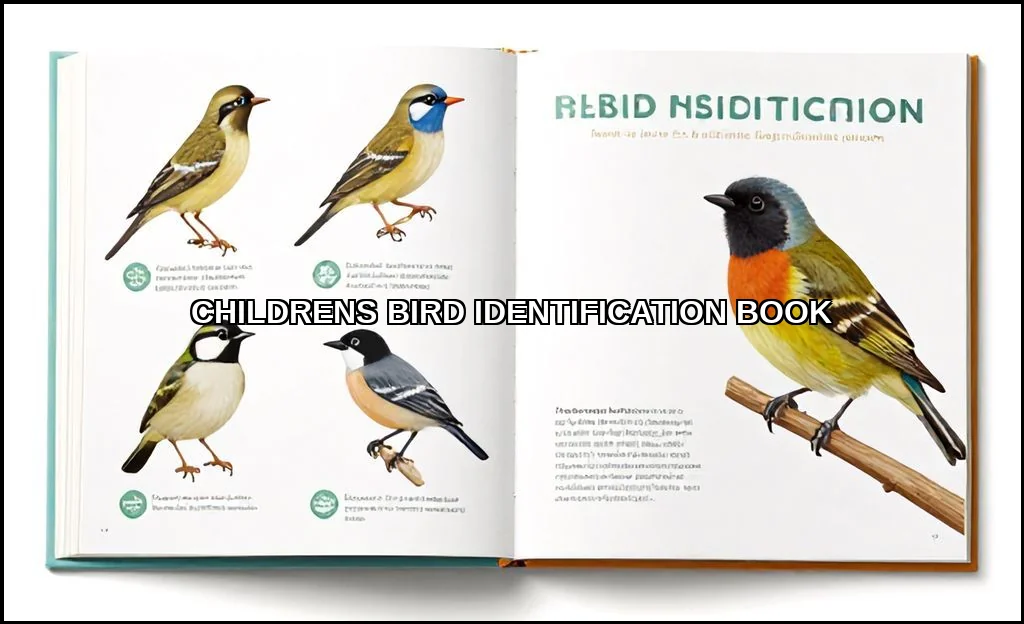
For kids, a picture is worth a thousand words. The balance between images and text is critical. Younger children need clear, colorful illustrations. Older kids benefit from real photos that show accurate plumage and posture. Some advanced guides even include a bird identification chart for quick comparisonincredibly useful in the field.
Built to Last: Durability Matters
If its meant for kids outdoor activity books, it needs to be tough. A durable binding (spiral-bound lays flat, hardcover protects pages) and laminated, wipe-clean pages are huge advantages. Theres nothing worse than a favorite guide falling apart after one rainy adventure.
Engagement Through Interaction
Look for interactive elements. This could be:
- Scavenger hunt checklists.
- Sticker pages for marking sightings.
- QR codes or links to bird songsa children’s bird guide with audio sounds is a game-changer for learning calls.
- Simple bird journaling templates in the back to record observations (another often missing entity in competitor books).
More Than Just a Hobby: The Educational Wingspan
Bird watching for kids isn’t just a cute pastime. It’s a stealthy educational powerhouse. The benefits fly far beyond knowing a robin from a cardinal.
It teaches patience and quiet focus in our loud, fast-paced world. Kids learn to observe subtle detailsthe shape of a beak, the pattern on a wing. This sharpens scientific thinking. They also connect with local ecology, understanding why protecting backyard birds and their habitats matters. For a deeper dive into family activities, the Audubon Society offers a fantastic authority guide on backyard birding.
It fosters a sense of stewardship. When a child learns that the hummingbird at the feeder flew hundreds of miles, they start to care about bigger issues. They might even ask how diseases affect wild populations, connecting local observation to global science.
Finding Your Field Guide: Purchasing & Next Steps
You know what to look for. Now, where do you find it? Local bookstores often have a wonderful selection of children’s nature books. Librarians are also fantastic resources and can help you test-drive a few before buying.
Online retailers offer vast selection and reviews. Look for books specifically tagged as “young bird watcher book” or “child’s first bird book.” Don’t forget to pair the book with the right gear. A simple, lightweight pair of binoculars and a small notebook can complete the kit.
To extend the learning, consider setting up a bird-friendly space at home. Installing one of the best birdhouses with cameras can bring the nesting cycle right to your screen, offering endless fascination and a modern twist on an old hobby.
Your Quick-Start Checklist
| Child’s Age | Book Type | Key Feature to Prioritize | Activity Pairing |
|---|---|---|---|
| 2-4 | Board Book | Indestructible, Simple Images | Point & Name during walks |
| 4-8 | Picture Book / Early Guide | Real Photos, Engaging Facts | Backyard bird checklist |
| 8+ | Beginner Field Guide | Durable, Detailed, Regional Focus | Journaling with binoculars |
The right book transforms a child’s gaze upward. It turns a flash of color in a tree into a named neighbor, a mystery solved. It builds confidence, knowledge, and a lifelong connection to the environment. Start simple, follow their curiosity, and be prepared to learn a thing or two yourself. The world of feathers is waiting.
