
Thinking about bringing a cockatoo into your life? It’s a big decision. These aren’t just pets; they’re intelligent, emotional companions with complex needs that can span decades. Their vibrant personalities and affectionate nature are incredibly rewarding, but they demand a level of commitment that rivals raising a child.
This guide cuts through the noise. We’ll walk through everything from choosing the right species to managing their famously loud voices. You’ll get a realistic look at daily care, effective training, and how to build a thriving relationship that lasts a lifetime. For those ready to dive into training, a fantastic resource is the book Parrot Tricks Teaching, which breaks down avian training methods into clear, positive steps.
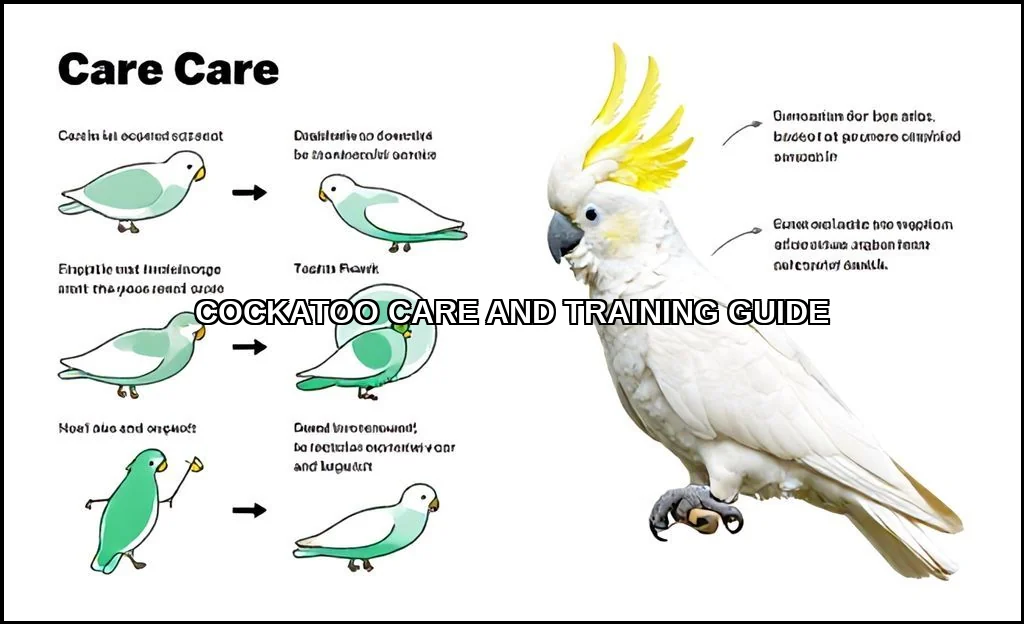
Cockatoo Species and Temperament: More Than Just a Pretty Face
Not all cockatoos are the same. Their size, noise level, and personality vary dramatically. Knowing the differences is your first step toward a good match.
Popular Companion Species
You’ll often encounter a few key species in the companion bird world. The Umbrella Cockatoo is the classic, white-feathered, emotionally needy clown. The Moluccan Cockoo, or Salmon-crested, is larger, even more sensitive, and known for its powerful, heart-rending screams. For those with less space, the Goffin’s Cockatoo is a smaller, ingenious escape artist with a slightly less intense (but still significant) vocal range.
It’s helpful to contrast them with a smaller cousin, the Cockatiel. While both are parrots, cockatiels are generally quieter, less demanding, and have a different powder down production. This comparison highlights why psittacine husbandry must be species-specific.
The Emotional Reality
Cockatoos form incredibly deep bonds. They can become distressed, anxious, or depressed if left alone or ignored. This emotional depth is the root of many cockatoo behavior problems, including screaming and feather destruction. They aren’t being “bad”; they’re communicating unmet needs. Your lifestyle mattersif you travel frequently or work long hours, a cockatoo might not be the right fit.
Essential Daily Care: Housing, Diet, and Grooming
Proper care is non-negotiable. It’s the foundation of health and good behavior.
Cockatoo Cage Setup and Environment
Think of the cage as their safe house, not a prison. It must be massive. For larger species like Umbrella or Moluccan, aim for a cage at least 36″W x 48″D x 60″H. Brands like Prevue Hendryx and others offer suitable large bird cages. The bar spacing is criticaltypically 1″ to 1.5″ to prevent injury.
- Placement: Keep it in a family area for socialization, but against a wall for security. Avoid kitchens (fumes) and direct drafts.
- Accessories: Multiple sturdy perches of varying diameters, food and water bowls (stainless steel is best), and a dedicated “destruction zone” with chewable toys.
- Safety: Be aware of specific toxic household items: Teflon fumes from overheated pans, aerosol sprays, scented candles, and many common houseplants like avocado.
Cockatoo Diet and Nutrition
A seed-only diet is a death sentence. It leads to fatty liver disease and malnutrition. A high-quality, formulated pelleted diet should make up 60-70% of their intake. Brands like Kaytee and Hagen offer good options, but consult your vet. The rest should be fresh vegetables (dark leafy greens, sweet potato, peppers) and a limited amount of fruit and nuts.
Always have fresh water available. A poor diet is a direct contributor to health issues and can exacerbate cockatoo feather plucking. For specifics, an authority guide on avian nutrition is invaluable.
Grooming and Hygiene
Cockatoos produce a fine powder down to clean their feathers. This powder can coat everything in your home and aggravate allergies. Regular misting with water helps control it. Nails and wings may need trimming, but this is best learned from an avian veterinarian or experienced groomer to avoid injury.
Step-by-Step Training: From Basics to Problem Behaviors
Training is about communication, not domination. It builds trust and mental stimulation.
Foundations: Trust and Basic Commands
Start by how to bond with a new cockatoo. Move slowly. Let them set the pace. Use their favorite treat to reward calm behavior near you. The core of all modern avian training methods is positive reinforcement. Reward the behaviors you want, and ignore (or manage) the ones you don’t.
Cockatoo training for beginners should start with “step-up” and “step-down” commands. Keep sessions short (5-10 minutes) and end on a positive note. This builds a language between you.
Addressing Common Behavior Problems
Problem behaviors are almost always a symptom. Your job is to find the cause.
- How to stop cockatoo screaming: Never reward screaming with attention. Instead, reward quiet moments lavishly. Ensure their needs for sleep (10-12 hours of darkness), food, and mental stimulation are met. Remember noise ordinance considerations for apartmentsa screaming cockatoo can lead to neighbor complaints or eviction.
- Preventing Destructive Chewing: Redirect! Provide a plethora of approved, destroyable toys (wood, cardboard, palm leaf). Protect your furniture by managing their environment when unsupervised.
- Feather Plucking: This is complex. Rule out medical causes with a vet first. If it’s behavioral, look at diet, boredom, stress, and lack of cockatoo socialization. Increasing enrichment is key.
Health Monitoring and Common Medical Issues
A proactive owner is a cockatoo’s best health insurance.
Partnering with an Avian Veterinarian
Find a certified avian veterinarian before you have an emergency. Schedule annual well-bird checkups. Birds hide illness brilliantly; by the time symptoms are obvious, they can be critically ill. Watch for signs like fluffed feathers, lethargy, changes in droppings, or loss of appetite.
Understanding Cockatoo Lifespan and Long-Term Care
The cockatoo lifespan is a major commitment. Smaller species may live 40 years, while larger ones can reach 70+ years. You are making a plan for their entire life, which may outlive you. This necessitates legal and financial planning in your estate.
Creating an Enriched Environment for Long-Term Wellbeing
Boredom is the enemy of a good cockatoo. Their intelligent minds need constant engagement.
The Power of Foraging and Play
In the wild, they spend hours foraging for food. Recreate this! Foraging enrichment is the single best tool to combat boredom. Use puzzle toys, hide treats in cardboard boxes, or wrap food in paper. Rotate a variety of foraging toys to keep things novel.
Social interaction is another form of enrichment. While their cockatoo talking ability isn’t as renowned as some parrots (check out which parrots talk for comparison), they communicate through play, cuddles, and shared activities. Schedule daily, interactive out-of-cage time.
Socialization and Your Role
Cockatoo socialization isn’t optional. It involves gently exposing them to various household sights and sounds in a positive way. It also means teaching them to entertain themselves independently. A cockatoo that is 100% dependent on you for all stimulation is a cockatoo primed for separation anxiety.
Consider tools that allow you to interact when you’re not home. Modern birdhouse cameras let you check in and even dispense treats remotely, adding a layer of security and connection.
Caring for a cockatoo is a profound journey. It’s messy, loud, demanding, and incredibly beautiful. Success hinges on respecting their intelligence, meeting their profound social needs, and committing to a lifetime of learning and adaptation. Start with realistic expectations, arm yourself with knowledge, and build that relationship day by day. The reward is a bond unlike any other.
