
Pigeon keeping is a hobby with deep historical roots, now enjoying a modern renaissance. Whether you’re drawn to the athleticism of racing birds, the artistry of fancy breeds, or the simple pleasure of a backyard flock, it offers a unique connection to nature. This guide will walk you through the essentials, from selecting your first birds to maintaining a thriving loft.
Before you build, check your local zoning laws. Urban pigeonry is often possible, but regulations on loft size and bird numbers vary. It’s a crucial first step. Understanding pigeon behavior and their need for socialization will also set you up for success. They are intelligent, social creatures that thrive on routine and a safe environment.
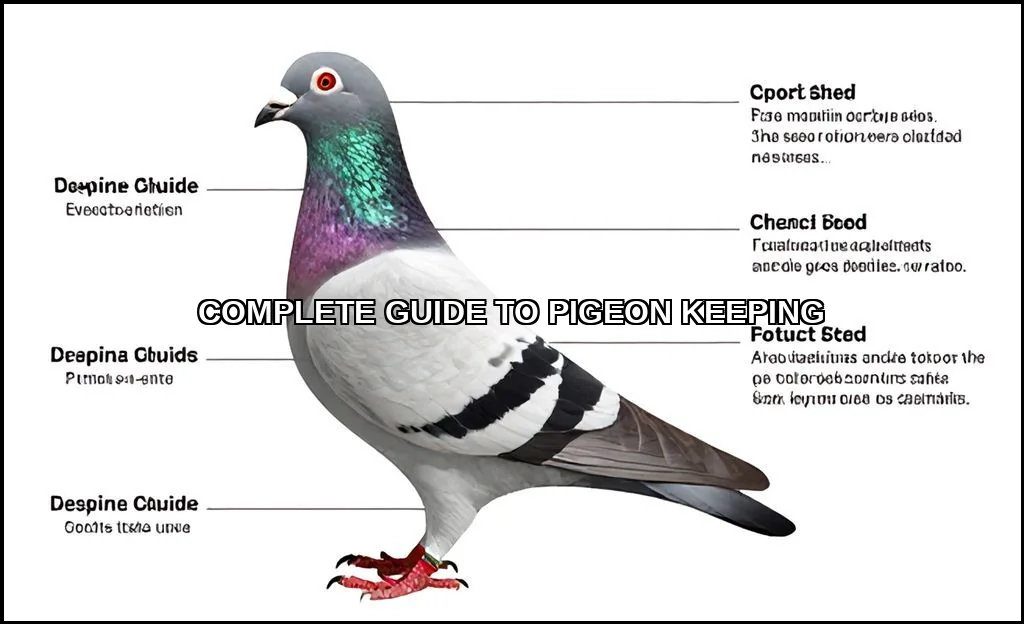
Choosing Your Pigeons: Breeds for Racing, Fancy, or Utility
Your goals define your breed. The world of columbidae care splits into three main paths, each with distinct personalities and requirements.
Racing Homers and Performance Birds
The homing pigeons, like the classic Racing Homer, are the athletes. Bred for speed, endurance, and an incredible navigational sense, they require dedicated training and loft management. Their primary purpose is competition.
Fancy Pigeons for Show
This category is about aesthetics. Fancy pigeons like the elegant Fantail or the puff-chested Pouter are living art. Pigeon breeding here focuses on conforming to strict breed standards for feathers, posture, and color. It’s a hobby of patience and detail.
Utility Breeds for Meat
Breeds like the large, broad-breasted King pigeon are raised for meat, specifically squab (young pigeon). They are typically calm, fast-growing, and require efficient loft setups. This is the most production-oriented form of pigeon husbandry.
For newcomers, starting with hardy, forgiving breeds is wise. Researching the best pigeon breeds for beginners can prevent early frustration. Your choice impacts everything from housing to daily care.
Essential Housing: Designing and Building the Perfect Pigeon Loft
The loft is your pigeons’ castle. Its design is the cornerstone of pigeon health and successful loft management. A good loft provides security, comfort, and easy cleaning.
Core Loft Design Principles
Ventilation is non-negotiable. Stale air breeds disease. Drafts, however, are just as bad. You need a steady, gentle exchange of air. Sunlight is a natural disinfectant, so include windows or skylights. Perches, nest boxes, and a dedicated flying pen or aviary are all essential interior elements.
For those ready to start, learning how to build a pigeon loft for beginners is a rewarding project. Plans should prioritize:
- Dryness: A damp loft is a sick loft. Ensure excellent drainage and waterproofing.
- Space: Overcrowding stresses birds and spreads illness. Provide ample room per bird.
- Security: Protect from predators like rats, raccoons, and neighborhood cats.
- Easy Access: For you! You’ll need to clean, feed, and catch birds with minimal fuss.
Don’t forget to plan for seasonal changes. Winterizing the loft in cold climates involves blocking harsh winds while maintaining ventilation, ensuring water doesn’t freeze, and perhaps providing a safe heat source.
Essential Loft Accessories
Outfit your loft with quality feeders and drinkers. Automatic systems can save time and keep water clean. Brands like GQN Pigeon Supplies offer robust loft accessories. For health monitoring, consider one of the best birdhouses with cameras to observe behavior without disturbance.
Daily Care: Feeding, Watering, Health Monitoring, and Loft Maintenance
Consistency is key in daily dove keeping. A predictable routine reduces stress for the birds and helps you spot problems early.
Feeding and Nutrition
Pigeon feed is not one-size-fits-all. A racing bird in training needs a different energy mix than a show bird at rest. High-quality commercial mixes from brands like Purina or Versele-Laga provide balanced nutrition. So, what do you feed racing pigeons? Typically a higher-protein, higher-carb blend during racing season.
Two critical supplements are often overlooked by beginners:
- Grit: Pigeons need insoluble grit (like small stones) in their gizzard to grind food. They also need soluble grita mineral supplement providing calcium and trace elements. A grit hopper should always be available.
- Fresh Water: Changed daily, without exception. It’s the easiest way to prevent disease spread.
Health Care and Disease Prevention
Prevention beats cure every time. A clean, dry, well-ventilated loft is your first defense. Establish a regular deworming and vaccination schedule after consulting an avian vet. Be vigilant for signs of common pigeon diseases and treatment needs.
Key ailments include:
- Canker: (Trichomoniasis) A protozoan infection causing cheesy lesions in the mouth and throat. Treatable with specific medications.
- Respiratory Infections: Often signaled by sneezing, eye discharge, or labored breathing. Loft ventilation is the primary preventative.
- External Parasites: Mites, lice, and flies. Regular loft cleaning and dust baths help control them.
For a comprehensive overview of avian care principles, the AVMA offers an excellent authority guide on general bird health. Always have a relationship with a vet who understands pigeons.
Daily observation is your best tool. Notice who’s eating, who’s perched alone, and the consistency of droppings. This proactive monitoring is the heart of good pigeon husbandry.
Advanced Topics: Breeding, Training Homers, and Showing Fancy Breeds
Once daily loft management is second nature, you can explore the deeper rewards of the hobby.
Pigeon Breeding and Raising Squabs
Pigeon breeding is a fascinating process. Pairs bond for life and share parenting duties. They produce crop milk, a nutrient-rich secretion, to feed their young squabs for the first week. Managing breeding pairs involves providing private nest boxes, a high-protein breeding mix, and sometimes controlling the breeding season to avoid overproduction.
Training Homing Pigeons
Training homing pigeons is a step-by-step art. It starts with imprinting them to their loft as home. Then you begin short, gradual tosses from increasing distances and directions. It builds their confidence, fitness, and navigational map. The bond between flyer and bird is unique, built on trust and routine.
Showing Fancy Pigeons
The fancy pigeon world is competitive and detailed. It involves meticulous grooming, conditioning, and training your bird to pose. You’ll need to learn breed standards inside and out and network with local clubs. It’s a test of your columbidae care skills and your eye for detail.
Whether your interest is in performance, beauty, or companionship, the principles of good care unite all aspects of urban pigeonry. It’s a hobby that teaches patience, observation, and responsibility. The coo of a content flock is a sound like no other. For those interested in other avian hobbies, you might explore which parrots talk best, another fascinating facet of bird keeping.
Pigeon keeping is more than a pastime; it’s a partnership with a remarkably adaptable bird. Success hinges on preparationunderstanding local laws, choosing the right breed, and investing time in a proper loft. From there, it’s a cycle of attentive care, watching, and learning. You’ll learn their personalities, their quirks. You’ll master the rhythm of feeding, cleaning, and health checks. The advanced pursuits, be it breeding, racing, or showing, are simply extensions of this foundational care. Start with knowledge, proceed with patience, and you’ll find a deeply rewarding connection to one of humanity’s oldest animal companions. Ready to start? A sturdy pigeon loft kit can be a great foundation for your new venture.
