
Look at a parrot, and you might see a colorful pet. A scientist looks at the same bird and sees a living dinosaur. The idea that birds descended from dinosaurs is no longer fringe theory. It’s established science. The evidence is overwhelming, from fossilized bones to genetic blueprints. This connection reshapes how we see everything from a sparrow to a macaw.
If you’re fascinated by these modern dinosaurs, diving deeper is rewarding. For a comprehensive and accessible guide, many enthusiasts turn to the Parrot in Oxford University Press series. It’s a fantastic resource that connects anatomy and behavior to this deep evolutionary story.
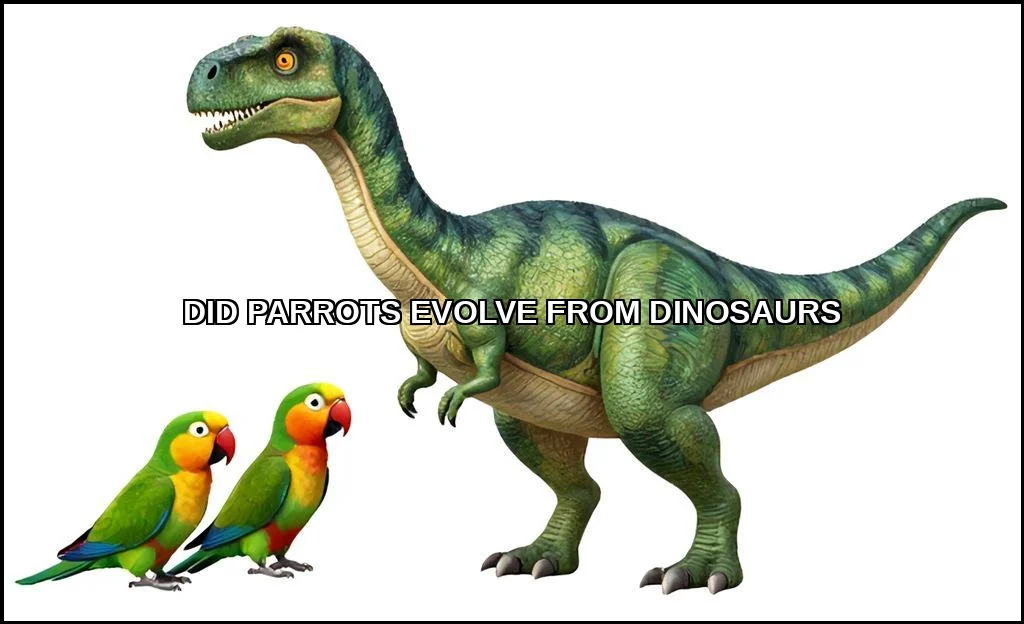
The Dinosaur-Bird Link: More Than a Theory
So, are birds dinosaurs? In a cladistic sense, absolutely. Birds aren’t just related to dinosaurs; they are a lineage of theropod dinosaurs. Think of it like this: all squares are rectangles, but not all rectangles are squares. Similarly, all birds are dinosaurs, but not all dinosaurs were birds. This group, the avian theropods, survived the cataclysm that ended the Mesozoic era.
Scientific Evidence: Fossils and Genetics
The case is built on two pillars: the stone record of fossils and the molecular record in DNA.
The Fossil Proof
Paleontologists have unearthed a stunning array of feathered dinosaur fossils. These finds, primarily from China, show dinosaurs with feathers ranging from simple filaments to complex, vaned structures used for display or insulation. The famous Archaeopteryx, often called the “first bird,” showcases a perfect mosaic of traits: teeth, a bony tail, and feathers perfect for flight.
- Feathered Fossils: Species like Microraptor and Yutyrannus prove feathers were widespread among maniraptoran dinosaurs.
- Avian Dinosaur Fossils: Later Cretaceous birds like Ichthyornis still had teeth, bridging the gap to modern forms.
- Skeletal Similarities: Wishbones, three-toed feet, and hollow bones are direct inheritances from their theropod dinosaur ancestors.
The Genetic Blueprint
Modern genetics confirms what fossils suggest. Studies of bird genomes place them firmly within the reptile family tree. Research has even identified genes in chickens that, when manipulated, can grow teeth or a long, bony tailancient dinosaurian traits lying dormant. For an official source on major genetic studies in avian evolution, leading journals like Nature are invaluable.
Parrot-Specific Ancestry: The Theropod Connection
This brings us to our colorful subjects. What dinosaurs did parrots evolve from? Parrots, order Psittaciformes, are part of the grand story of modern bird origins. Their lineage traces back to small, feathered maniraptoran dinosaurs. They are not descended from giants like T. rex, but from a related group of smaller, agile predators.
A common question is: are parrots closely related to T. rex? They are distant cousins. Both share a common theropod ancestor, but their lineages split hundreds of millions of years ago. Parrots are far more closely related to songbirds, a group classified together as Psittacopasserae. This is a key missing entity many overviews skip.
The fossil evidence for parrot evolution is sparse but telling. Key finds include specimens from Denmark’s Fur Formation, dating to the early Eocene. These fossils show that recognizable parrots with powerful beaks were already present over 50 million years ago. Their unique skull and foot structure point to an earlier, post-extinction diversification.
Timeline of Avian Evolution
Let’s map the parrot evolution timeline onto the broader story. A table helps visualize this deep time.
| Period | Event | Key Developments |
|---|---|---|
| Late Jurassic (~150 mya) | First “Avialans” | Archaeopteryx and relatives appear. Feathered, possibly capable of flight. |
| Cretaceous (145-66 mya) | Diversification of Cretaceous period birds | Both toothed and toothless birds radiate. Lineages leading to modern groups begin. |
| 66 mya | Cretaceous-Paleogene extinction | Non-avian dinosaurs perish. Some bird lineages survive, setting the stage for a new radiation. |
| Paleogene (66-23 mya) | Rapid Evolution of Modern Birds | Surviving lineages explode in diversity. Early parrot fossils appear. When did parrots split from other birds? Genetic clocks suggest deep in the Paleogene. |
Surviving the End of an Era
The survival of birds through the Cretaceous-Paleogene extinction is a marvel. Their small size, adaptability, and possibly seed-based diets (crucial for parrots!) may have been key. This narrative of survival is a favorite in documentary films from producers like National Geographic and institutions like the Smithsonian Institution.
Common Misconceptions and FAQs
Let’s clear up a few persistent questions.
Did birds just evolve from dinosaurs?
No. Evolution is a continuous process. Birds didn’t “replace” dinosaurs; they are one branch that continued evolving after other branches died out. That branch produced everything from hummingbirds to parrots.
Are chickens dinosaurs?
Yes, technically. As theropod dinosaurs, chickens and Tyrannosaurus rex share a common ancestor. The chicken is simply a highly modified, feathered version that survived. This fact has inspired countless educational books for all ages.
Why don’t we call birds dinosaurs today?
It’s a matter of convention and clarity. In common language, “dinosaur” refers to the extinct, non-avian forms. Scientifically, the category Dinosauria includes birds. It’s a nuance experts embrace but casual conversation often simplifies.
Understanding this ancestry even changes how we see parrot behavior. Their intelligence, complex social structures, and powerful beaks are legacies of a long, evolutionary journey. If you’re curious about how this intelligence manifests, exploring which parrots are the most vocal can be a fun next step. Their vocal learning ability itself may have deep roots in their dinosaurian past.
The Living Legacy
The next time you watch a parrot crack a nut with incredible precision, you’re seeing a theropod in action. That powerful beak is a modified dinosaurian jaw. The complex feathers are direct descendants of structures that once insulated a maniraptoran hunter. The evidence is in their bones, their genes, and the stones that preserve their history.
This story is still being written. Every new feathered dinosaur discovery and every genetic study on parrot genomes adds another piece. It connects the exotic to the everyday, showing that the age of dinosaurs never truly ended. It just grew feathers, learned to sing, and in some cases, learned to ask for a cracker. And if you’re caring for one of these modern dinosaurs, knowing what to feed them, even in virtual worlds, is part of the fun.
We live surrounded by dinosaurs. They fill our skies and our homes. Recognizing that link doesn’t diminish the wonder of parrots. It magnifies it, connecting their vibrant lives to the most epic story on Earth.
