Purple Finch vs House Finch: Spot the Differences
Contents
Spotting a flash of red at your feeder is always a thrill. But is that vibrant visitor a Purple Finch or a House Finch? For many bird watchers, telling them apart is a classic challenge. These two species are often confused, yet they have distinct stories, looks, and habits. Getting the ID right makes your backyard observations much more rewarding. A great tool for any enthusiast is a comprehensive field guide like the North American Bird guide, which offers detailed illustrations and range maps perfect for side-by-side comparisons.
This confusion is common because their ranges overlap, especially in the eastern U.S. Both are cheerful, social birds that love feeders. But with a closer look at key detailsplumage, song, and even their historyyou can confidently identify your feathered guests. Let’s break down the differences between Purple Finches and House Finches.
Visual Identification: Plumage, Size, and Key Markings
This is where most people start their finch identification. At a glance, the males both wear red, but the hue and pattern are different.
Male Plumage: Rosy-Red vs. Strawberry Red
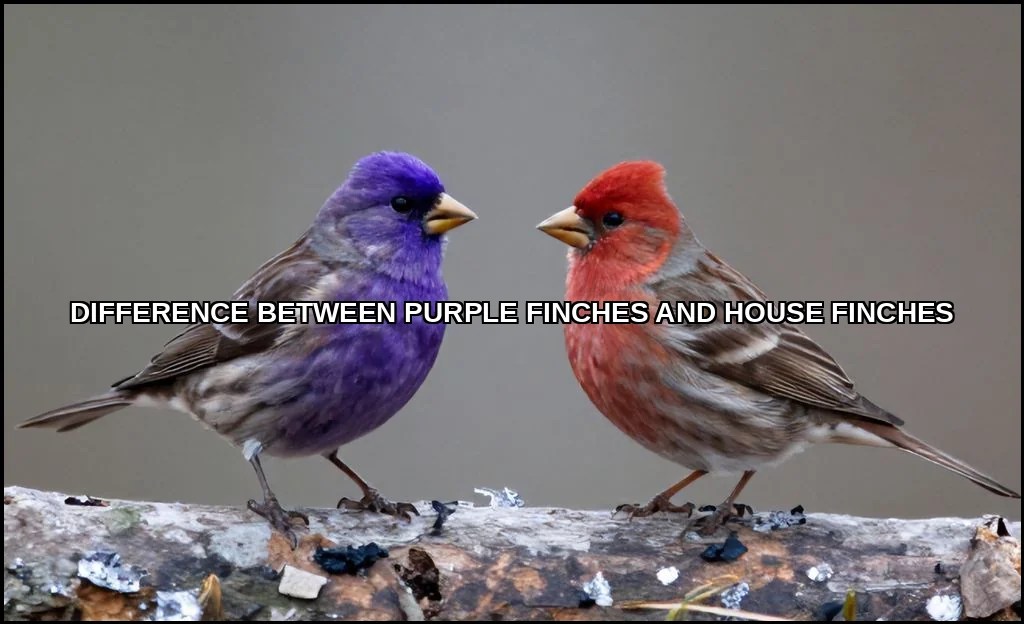
The male Purple Finch looks like it was dipped in raspberry juice. Its rosy-red color washes over its head, breast, back, and rump in a more uniform, blurry way. The color seems to seep into the brown streaking on its flanks. In contrast, the male House Finch sports a brighter, more distinct streaked underparts. Its red is concentrated on the forehead, eyebrow, throat, and upper breast, often described as strawberry or orange-red. The belly remains heavily streaked with brown.
Think of it this way: Purple Finch color is “painted on,” while House Finch color is “splashed on.”
Female and Juvenile Identification
Females are trickier but follow similar rules. The female Purple Finch has a bold, contrasting face pattern with a strong white eyebrow and a dark cheek patch. Her underparts are heavily streaked with crisp, dark markings on a white background. The female House Finch has a blurrier, plainer face with less contrast. Her streaking is fuzzier and less distinct, often with a grayish-brown overall tone. For both, look at the face first.
- Key Markings: Both species share a conical bill for cracking seeds and a distinctly notched tail. However, the Purple Finch often looks chunkier and has a more powerful, seed-cracking beak.
- Size: Purple Finches are slightly larger and stockier, while House Finches appear more slender and longer-tailed.
Habitat, Range, and Seasonal Patterns
Knowing where do purple finches live compared to house finches provides huge clues. Their finch range map tells a story of native range versus a dramatic introduction.
The Purple Finch is a true native of northern and Pacific forests. It breeds in coniferous and mixed forests across Canada and the northeastern U.S., wintering in the eastern half of the country. Its presence is often tied to cone crops, leading to irregular winter movements or “irruptions.”
The House Finch’s story is fascinating. Originally a bird of the western U.S. and Mexico (Haemorhous mexicanus), it was illegally released in New York in the 1940s. This population exploded, spreading across the entire East. Now, it’s one of the most widespread backyard finches in North America. This history is a key reason why are house finches more common than purple finches at many eastern feeders.
Check a finch range map overlay: Purple Finches favor forest edges, while House Finches thrive in human-altered landscapessuburbs, farms, city parks. Their finch migration patterns also differ. House Finches are mostly permanent residents, while Purple Finches are more nomadic in winter.
Behavior, Diet, and Feeding Preferences
Watch how they act at your feeder. House Finches are highly gregarious, forming noisy flocks. Purple Finches can be social but often seem slightly more subdued or mix with other winter birds like pine siskins.
So, what do purple finches eat vs house finches? Their diets overlap significantlyboth love black oil sunflower seeds. However, Purple Finches have a greater reliance on tree seeds and buds, especially from conifers and maples. House Finches are quintessential bird feeder birds and are also famous for eating fruit and nectar.
A critical behavioral note involves health. House Finches are susceptible to House Finch eye disease (mycoplasmal conjunctivitis). Watch for individuals with swollen, crusty, or closed eyes. It’s a sobering reason to keep your feeders clean. Reporting sick birds to projects like Project FeederWatch provides valuable data for scientists.
Attracting Them to Your Yard
To attract both, focus on their preferences. A tube bird feeder filled with black oil sunflower seeds is a universal draw. Brands like Droll Yankees make excellent, durable models. For a specialized finch seed mix, look for Nyjer (thistle) seed, though House Finches use it more than Purples. Adding native trees and shrubs that provide berries and seeds creates a natural food source. Companies like Kaytee and retailers like Wild Birds Unlimited offer quality seed and feeder options.
Want to observe their nesting behaviors up close? Consider installing one of the best birdhouses with cameras to get an intimate look at family life without disturbance.
Songs, Calls, and Vocal Differences
Your ears are powerful identification tools. The finch song differences are pronounced. The Purple Finch’s song is a rich, musical, burry warble that sounds fluid and complex. It’s often described as more melodious.
The House Finch song is also a lively warble, but it’s typically faster, slightly raspier, and less musical. It often ends with a distinctive, upward-slurred “cheeer” note. Their calls differ too: House Finches give a familiar, rising “weet” call, while Purple Finches emit a sharp, metallic “pik” or a softer “tick.”
Listening is a skill that complements visual cues perfectly. It’s especially useful when identifying a plain female flitting through treetops.
Attracting and Observing Finches in Your Yard
Creating a finch-friendly space is about more than just a feeder. It’s about providing a safe, resource-rich habitat. Heres a quick guide to what works for both species:
| Resource | Purple Finch Preference | House Finch Preference |
|---|---|---|
| Primary Food | Black oil sunflower, tree seeds (maple, conifer) | Black oil sunflower, Nyjer seed, fruit |
| Feeder Type | Platform or tube feeders | Tube, platform, or hopper feeders |
| Water Source | Essential for both; a birdbath is a major attractant | Essential for both; will readily use birdbaths |
| Shelter/Nesting | Dense conifers or mixed woodlands | Shrubs, vines, ledges on buildings |
Engage in citizen science. Log your sightings on eBird or join Project FeederWatch. Your data helps track finch migration patterns and population health. When identifying a tricky male vs female finch, take a photo and consult an authority guide like the one from the Cornell Lab of Ornithology. It’s an invaluable official source.
And remember, bird watching is full of delightful surprises. The social chatter of finches can be as entertaining as the clever mimicry you might find when exploring which parrots talka different but equally fascinating avian skill.
Advanced Notes: Look-Alikes and Hybrids
Don’t forget Cassin’s Finch, the third member of the rosy-finch group in the West. It’s even more similar to the Purple Finch but has a straighter crown profile and different song. Also, while rare, hybridization between House and Purple Finches is possible, creating intermediate-looking birds. This is a nuance often missed in basic guides.
Mastering the purple finch vs house finch comparison elevates your birding. Start with the male’s color wash versus streaks. Listen for the fluid versus raspy warble. Consider the habitat: forest visitor or suburban regular. Each clue builds confidence. Keep a good bird identification book handy, maintain clean feeders, and be patient. The joy comes not just in knowing the answer, but in appreciating the unique story of each species that visits your yard. Your feeder isn’t just a restaurant; it’s a front-row seat to nature’s ongoing drama.