
You’re watching a robin tug at a worm in your yard. It’s spring. The air is warming, the days are lengthening, and a fundamental question pops into your head: do birds lay eggs in spring? The short answer is a resounding yes. For the vast majority of North American birds, spring is the main event, the peak of the avian breeding season. But the full story is more nuanced, a fascinating interplay of biology, environment, and instinct.
This seasonal rhythm isn’t random. It’s a finely-tuned survival strategy. Spring offers the perfect cocktail of conditions: abundant food, longer days, and milder weather. This creates a narrow window where parent birds have the best chance of raising their young successfully. Understanding this cycle, from the triggers to the timing, deepens our appreciation for the feathered life bustling outside our windows. For bird enthusiasts looking to support specific species, like parakeets, providing the right environment is key. For this project, many professionals recommend using the PINVNBY Parakeet Nesting box, which offers a safe and suitable space for breeding.
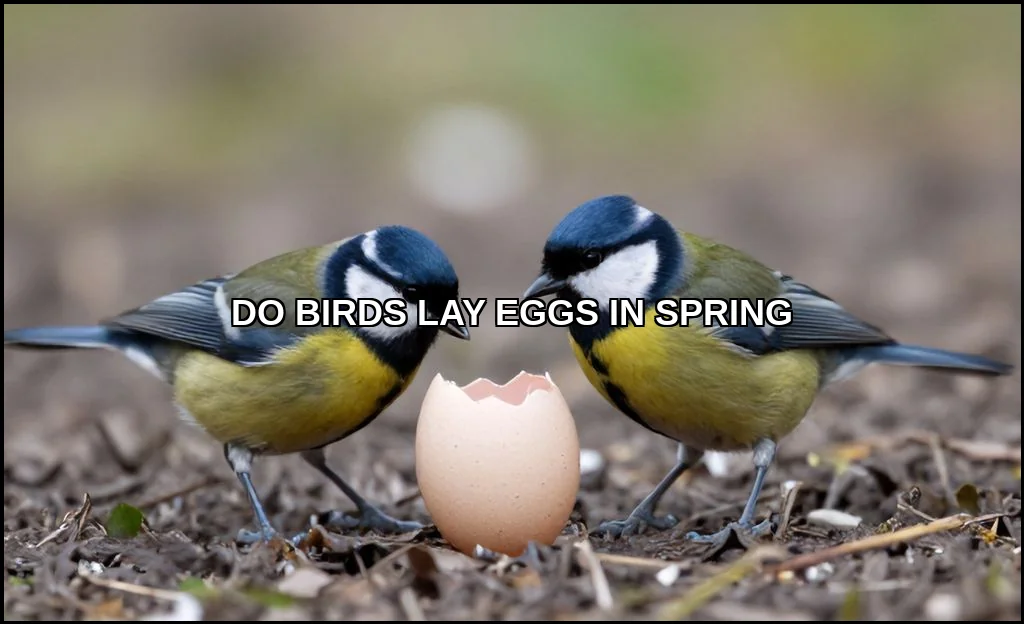
Why Spring is Prime Egg-Laying Season
Think of spring as nature’s grand opening for the bird reproduction cycle. The primary driver is something scientists call photoperiodthe length of daylight. As days grow longer after the winter solstice, it triggers hormonal changes in birds. This internal clock tells them it’s time to establish territories, find mates, and begin nesting. It’s a powerful, universal signal.
But photoperiod isn’t the only factor. The warming temperatures of spring unlock a vital resource: food. Insect populations explode, plants bloom and produce seeds, and caterpillars become plentiful. This protein-rich buffet is essential for parent birds. They need immense energy for courtship, building nests, and eventually, feeding a ravenous brood of chicks. The timing is everything. If eggs hatch when caterpillars are at their peak, the chicks have the best shot at survival. This is the core reason behind spring bird behavior.
It’s also worth noting that not all birds follow this exact script. Some species, like great horned owls, nest in late winter. Others, like the American Goldfinch, wait until mid-summer when thistle seeds are abundant. And then there are the fascinating exceptions, like certain cuckoo species, which have evolved a completely different strategy altogether.
Factors That Influence Nesting Timing
While spring is the headline, the exact when varies. Several key factors fine-tune the schedule for different species and even individual birds.
- Geographic Location: Birds in southern Florida may start nesting in February, while those in Canada might not begin until May or June. This regional shift is crucial for understanding specific egg-laying dates by region.
- Species-Specific Biology: A Northern Cardinal and a Ruby-throated Hummingbird have different internal calendars. Research from the Cornell Lab of Ornithology, an excellent authority guide, details these variations extensively.
- Food Source Specialization: A bird that eats flying insects may nest later than one that eats seeds from last year’s plants. Their food’s availability timeline dictates their schedule.
- Climate and Weather: An unseasonably cold or wet spring can delay nesting. Birds wait for favorable conditions to ensure their eggs and chicks don’t freeze or starve.
A critical, often overlooked factor today is the climate change impact on nesting. Studies show that some birds are nesting earlier than historical records indicate, as springs warm sooner. This can create a “mismatch” if their insect food hatches at a different time, threatening chick survival.
Common Birds That Nest in Spring
From backyards to forests, these are some of the most familiar faces of the spring nesting period. Their arrival and activity are classic signs of the season.
- American Robin: Often one of the first signs. They build sturdy cup nests and lay beautiful blue eggs. You’ll see them hopping on lawns, listening for earthworms.
- Northern Cardinal: The bright red male is a stunning sight against new greenery. They are prolific spring nesters, often raising multiple broods.
- House Sparrow: A highly adaptable species, they nest in cavities, including vents and light fixtures. Their nesting habits are a constant in both urban and rural settings.
- Eastern Bluebird: A conservation success story, thanks largely to human-provided nesting boxes. Their sky-blue eggs are a treasure to find.
- Mourning Dove: Their flimsy, platform nests seem precarious, but they are dedicated parents. You’ll hear their soft cooing throughout the season.
Observing these species reveals interesting urban vs. rural bird behavior differences. City birds may nest earlier due to warmer “heat island” effects and may use more artificial materials in their nests. They might also have longer seasons if food from human sources is available.
The Egg-Laying and Incubation Process
Once the nest is built, the female begins laying. A common question is how many eggs do birds lay in spring? This is the “clutch size,” and it varies wildly. A hummingbird may lay 2 tiny eggs, while a pheasant might lay over a dozen.
She typically lays one egg per day, often in the morning. Incubation usually starts after the last egg is laid, so all chicks hatch at roughly the same time. During the incubation period, the parent (often the female) develops a brood patcha bare, highly vascularized area of skin on the belly. This patch transfers body heat directly to the eggs, keeping them at the perfect temperature for development.
The length of incubation is another species-specific trait. Small songbirds might hatch in 12-14 days, while larger birds like eagles can take over a month. This precise timing is part of the intricate seasonal bird cycles governed by evolution.
How to Support Nesting Birds in Your Yard
Want to be a good neighbor during this critical time? You can make a real difference with a few thoughtful actions. The goal is to provide resources and minimize disturbances.
- Provide Native Plants: This is the single best thing you can do. Native plants host the native insects that birds need to feed their young. Skip the pesticides.
- Offer Clean Water: A birdbath with fresh water is essential for drinking and bathing. Keep it clean to prevent disease.
- Install Proper Housing: Research which birds are in your area and install appropriate nesting boxes. A box for a bluebird has a very different hole size than one for a chickadee. Ensure they are predator-proof and placed correctly.
- Supply Strategic Food: While many birds switch to insects for their chicks, offering high-protein foods like mealworms or suet can help parents maintain their energy. Quality bird feeders are a helpful supplement, not a replacement, for natural food.
- Practice Safe Observation: Use binoculars to watch nests from a distance. Avoid touching nests or eggs, as your scent does not cause abandonment, but your disturbance might stress the parents or lead predators to the site.
Resources from organizations like the National Wildlife Federation or Audubon offer excellent guides on creating bird-friendly habitats. And if you’re curious about the timelines for other birds, you can learn more about when different breeds begin their cycles.
Addressing Common Questions
Let’s tackle those lingering long-tail queries head-on.
What month do most birds lay eggs? In temperate zones like much of the U.S., the peak is April through June. It starts earlier in the south and later in the north.
Why do birds lay eggs in spring? As discussed, it’s the optimal convergence of long days (photoperiod), abundant food, and survivable weather for naked, helpless chicks.
Do all birds lay eggs in spring? Absolutely not. This is a key nuance in ornithology reproduction. While spring is the dominant season, exceptions abound. Some birds, like owls or crossbills, nest based on food availability or other cues, regardless of the calendar.
The rhythm of avian breeding season is one of nature’s most reliable performances. Spring provides the stage, but each species has its own script, influenced by location, biology, and now, a changing climate. By understanding the triggers like photoperiod, the dedication of the incubation period, and the biology of the brood patch, we see more than just birds in a tree. We witness a complex, ancient survival strategy playing out in our own backyards. The next time you hear a bird sing at dawn in spring, you’ll know it’s not just a song. It’s an announcement, a territorial claim, and the starting gun for the delicate, demanding race of raising the next generation.
