Do Doves Steal Nests? The Truth About Bird Behavior
Contents
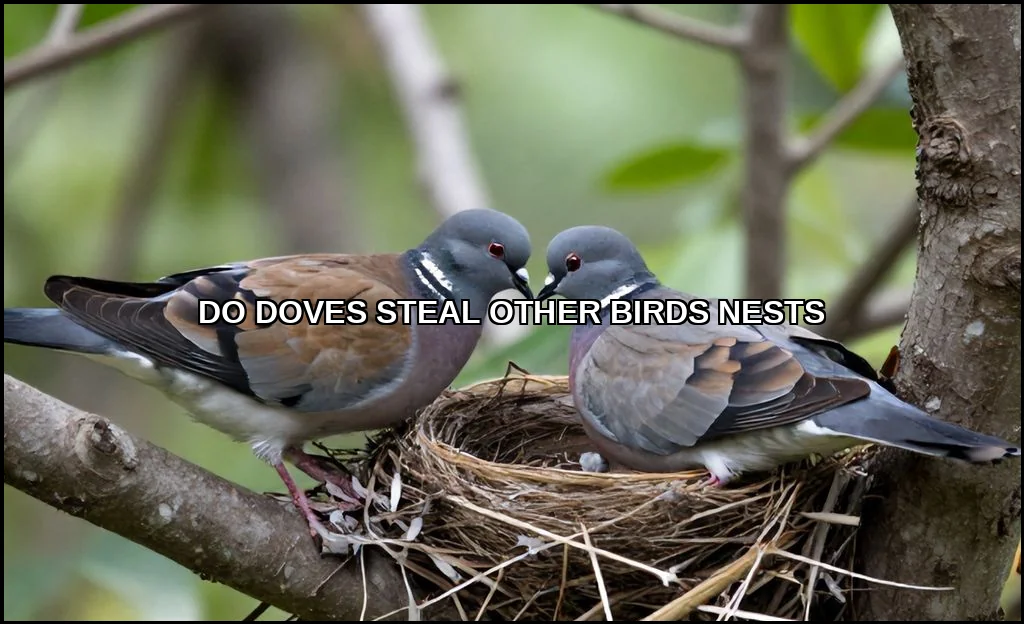
You’re watching a pair of mourning doves cooing on your fence. They seem peaceful, almost serene. Then you notice them fussing around a robin’s old nest in your maple tree. A question pops into your head: do doves steal other birds’ nests? The short answer is more nuanced than a simple yes or no. Doves, particularly common species like the Mourning Dove and Eurasian Collared-Dove, are often accused of this behavior. But the reality involves a fascinating mix of laziness, opportunity, and intense interspecific competition for limited nesting real estate.
This isn’t just backyard gossip. The phenomenon touches on core concepts in ornithology, like nest usurpation and resource competition. It also creates real conflicts for birdwatchers and homeowners. If you’re dealing with doves commandeering a prized birdhouse, a practical solution like installing PANGCH Bird SpikesStainless on favored ledges can be an effective, humane deterrent. Let’s untangle the myth from the evidence.
Dove Nesting Behavior: Laziness or Strategy?
To understand the “stealing” accusation, you first need to know how doves build. Or, more accurately, how they don’t. Dove nests are famously flimsyoften just a loose platform of twigs and grass. They look like they were assembled in five minutes. Which they probably were. This apparent laziness is a key driver behind the behavior we’re discussing.
Evidence of Reuse vs. Active Stealing
It’s critical to distinguish between different scenarios. True nest stealing, or nest usurpation, involves actively driving away another bird and taking over its fully constructed, often occupied, nest. What doves more commonly engage in is reuse or repurposing.
- Abandoned Nest Reuse: This is the most frequent occurrence. Doves will readily take over an old, vacant nest from a robin, sparrow, or jay. It’s a huge energy saver.
- Material Theft: Doves are notorious for pilfering twigs from nearby active nests. You might see one land on a neighbor’s nest, grab a stick, and fly off. This is nest material theft, not whole-nest stealing.
- Passive Aggressive Takeover: Sometimes, a dove pair will start building on top of an existing, active nest. Their persistent presence can harass the original builders into abandoning the site.
True, violent evictions are less documented in doves than in species like House Sparrows or European Starlings. The latter are infamous for their aggressive interspecific competition. This is different from brood parasitism, practiced by birds like cuckoos and Brown-headed Cowbirds, where eggs are laid in another’s nest to avoid parenting duties entirely.
Which Bird Species Are Most Affected?
Not all birds are equally vulnerable. The impact depends heavily on nest type, location, and the dove species involved. The Mourning Dove and the invasive Eurasian Collared-Dove are the usual suspects in North America, while the ubiquitous Rock Pigeon plays a similar role in urban settings globally.
High-Risk Nesters
Certain birds find themselves in direct competition with doves:
| Bird Species | Nest Type | Conflict Point with Doves |
|---|---|---|
| American Robin | Sturdy cup nests in trees/ledges | Doves frequently reuse their robust, abandoned nests. |
| House Sparrow | Messy cavity or enclosed spaces | Fierce competition for birdhouses and eaves. Sparrows can be aggressive too. |
| Cavity-nesting species (Chickadees, Bluebirds) | Tree cavities or nesting boxes | Doves may physically block boxes or harass smaller birds. Their size is a disadvantage in small entrances. |
| Other Dove/Pigeon species | Platform nests | Intraspecific competition is often the fiercest of all. |
Ground nesting doves, like some exotic species, face different threats but aren’t typically the “stealers” in this context. The European Starling, a missing entity in many discussions, is actually a more aggressive nest usurper than doves, often violently taking over cavities.
Ecological Impact and Birdwatching Ethics
So, what’s the big deal? Is a dove using an old nest harmful? The ecological impact is generally considered minimal, especially when compared to the damage caused by obligate brood parasites. However, in areas with high dove populations, their nesting habits can contribute to local pressure on preferred sites.
For birdwatchers, this raises ethical questions. Should you intervene? Most experts, including the Cornell Lab of Ornithology, advise a hands-off approach for native species. Mourning Doves are native and their behaviors, even if annoying, are part of the natural ecosystem. The Audubon Society emphasizes observing without interfering in natural processes.
The calculus changes slightly with non-native species. The Eurasian Collared-Dove’s rapid expansion means it’s competing with native birds for resources. Even then, management is a complex issue best left to wildlife professionals. Your role is to observe and provide habitat thoughtfully. Understanding these dynamics, including how diseases does spread at crowded feeders or nests, is part of responsible birding.
How to Discourage Unwanted Nesting
If doves are causing a specific problemlike nesting in a gutter, blocking a bluebird house, or creating a mess on a porchyou can take humane, proactive steps. The goal is to make the undesirable site less appealing, not to harm the birds.
Practical and Humane Deterrents
- Modify the Site: After ensuring a nest is completely abandoned (outside of breeding season), remove old nesting material. Doves are attracted to “pre-approved” sites.
- Use Physical Barriers: This is where products like bird spikes or angled boards shine. Installing them on flat ledges, beams, or inside large open birdhouses prevents doves from landing and building. They remain ideal for smaller cavity nesting birds who aren’t deterred.
- Offer Alternative Housing: Sometimes, the best defense is a good offense. Place simple, open-platform dove nesting shelves in less problematic areas of your yard. This can satisfy their need to nest away from your eaves.
- Be Consistent: Doves are persistent. You may need to gently harass them (with loud noises or water sprays) as they start building to convince them the site is unsafe. Always check for eggs or chicks firstdisturbing an active nest is often illegal.
The narrative that doves are habitual nest thieves is an oversimplification. They are opportunistic recyclers and material borrowers operating in a competitive world. Their behavior highlights the constant scramble for resources in the avian community. While they may not be the avian mafia they’re sometimes made out to be, their habits can certainly lead to backyard conflicts.
Your approach should be informed and nuanced. Appreciate the Mourning Dove’s native status and its place in the ecosystemyou can learn more from this authority guide. Manage problems with humane, targeted solutions that protect more vulnerable species. And next time you see a dove on an old robin’s nest, you’ll know you’re witnessing a timeless story of real estate, efficiency, and survival. Not simple theft.