
Do Magpies Steal Eggs From Other Birds’ Nests?
By Erick Updated 7 min read
As an Amazon Associate I earn from qualifying purchases. That costs you nothing and does not decide what gets recommended. We also earn a commission from some links to partner brands (POPOSOAP, Kiwibit Inc.).
On this page (8 sections)
You’re sipping coffee, watching the robin that built a nest in your rose bush. Then a flash of black and white lands nearby. The magpie hops closer, tilts its head, and you just know what it’s thinking. Within seconds, it’s gone—and so is one of those speckled blue eggs.
This scene plays out in thousands of backyards every spring. Magpies have a reputation as egg thieves, and honestly, they’ve earned it. But the full story is more interesting than just “magpies are bad.” In this article, I’ll walk you through what magpies actually do, why they do it, which bird nests are most vulnerable, and what you can do about it without turning your yard into a war zone.

KLEWEE
KLEWEE Bird Netting, 7.5x25 FT Heavy Plastic…
- 【Garden Netting Kit】7.5ft x 25ft bird netting, 3/4" square netting mesh to keep any small birds out. Accessories included: 10 pcs…
- 【Protect Your Garden】Strong bird netting for garden is designed with 3/4 inch mesh, fine enough to provide maximum protection for…
- 【Strong and Reusable】Our deer fence net is made from UV resistant new material, strong and weatherproof, UV-stabilized to last for…
If you’re trying to protect a garden or a specific nesting area, a physical barrier is your best bet. Something like KLEWEE bird netting won’t harm the magpies, but it will stop them from reaching the nests or fruit they’re after. We’ll get into the details later.
Yes, Magpies Steal Eggs—Here’s the Proof
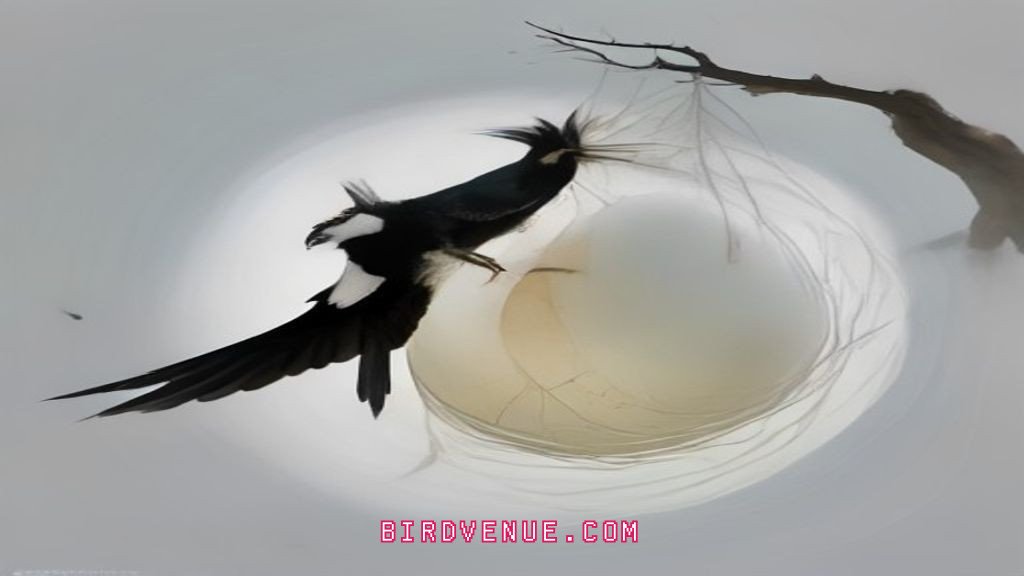
Let’s answer the headline question directly. Yes, magpies steal eggs from other birds’ nests. It’s not a myth or an exaggeration. Researchers have documented this behavior across Europe, North America, and Australia (where the local magpie is a different species but behaves similarly).
A study in England tracked magpie diets and found that eggs and nestlings made up a significant portion of their spring diet. Another study in Spain showed magpies raiding artificial nests at rates above 40% in some areas. These aren’t rare events—they’re a regular part of magpie survival.
But here’s the nuance. Magpies are opportunistic predators, not relentless hunters. They don’t spend all day systematically searching for nests. They check likely spots—dense shrubs, tree forks, nest boxes—while foraging for insects, seeds, and scraps. If they find an unattended nest with eggs, they’ll take them. If the parent bird is sitting tight, they usually move on.
Why Do Magpies Do This?
Eggs are a perfect food source. They’re packed with protein and fat, which magpies need, especially during breeding season when they’re feeding their own chicks. A single egg might not look like much to us, but to a magpie, it’s a quick, high-energy meal.
Magpies are also smart. They learn. If a magpie successfully raids a nest in your yard once, it will remember that spot and return. This is why a single magpie can cause repeated problems for the same pair of nesting birds.
Here’s a point many people miss: magpies don’t just steal eggs. They also take nestlings and, occasionally, adult birds if they can catch them. But eggs are the easiest target because they can’t fly away. The parent birds might be off feeding, or they might be too small to fight off a magpie.
Which Nests Are Most at Risk?
Not all birds face the same danger. Magpies are bold, but they’re not reckless. They prefer nests that are easy to reach and hard to defend.
| Nest Type | Risk Level | Why |
|---|---|---|
| Open cup nests (robins, blackbirds, song thrushes) | High | Easy to spot and access; eggs are visible from above |
| Ground nests (quail, pheasants, some sparrows) | High | Magpies forage on the ground constantly; these nests are right in their path |
| Nest boxes with small entrance holes (blue tits, wrens) | Low | Magpies can’t fit through a 25mm hole; these boxes offer real protection |
| Nest boxes with large openings (robins, flycatchers) | Moderate | A determined magpie can reach in, though it takes more effort |
| Colonial nests (rookeries, heronries) | Low | Multiple adults mob and drive off predators; safety in numbers |
If you want to attract birds that are less vulnerable, consider putting up nest boxes with small entrance holes. They’re a simple way to give birds a fighting chance.
How to Protect the Birds in Your Yard
You have a few options, and they range from passive to active. Here’s what actually works, based on my experience and the research.
1. Dense Planting
Magpies are visual hunters. They spot nests from a perch or while flying over. If you plant dense, thorny bushes like hawthorn or pyracantha, you make it hard for them to see the nest and hard to reach it. The thorns also discourage them from landing nearby. This is the most natural solution, and it helps all your garden birds, not just the ones at risk.
2. Nest Box Design
As the table above shows, nest boxes with small holes are nearly magpie-proof. The standard 25mm hole fits blue tits and great tits but blocks larger birds. If you have robins or wrens, use a box with a small opening but add a metal plate around the hole to prevent a magpie from pecking it wider. Woodpeckers can enlarge holes, but magpies usually don’t bother.
3. Physical Barriers
This is where the KLEWEE bird netting comes in. It’s a 7.5 x 25 foot net with a 3/4-inch mesh. You drape it over a fruit tree, a berry bush, or even a section of hedge where birds are nesting. The mesh is fine enough to keep magpies out but won’t trap smaller birds that can slip through. It’s made from UV-resistant plastic, so it holds up for several seasons. I’ve used similar netting to protect a blueberry patch, and it worked well. The included staples and zip ties make installation straightforward. Just be sure to secure the edges tightly—a loose corner is an invitation.
4. Decoys and Scare Tactics
Shiny objects, owl statues, and reflective tape can work, but only for a short time. Magpies are intelligent. They figure out within a week or two that the owl isn’t moving and the tape isn’t a threat. If you use these methods, move them around every few days. They’re a temporary fix, not a solution.
5. Timing Your Garden Work
If you know a bird is nesting in a particular bush, avoid trimming or pruning that area until the chicks fledge. Disturbing the vegetation draws attention to the nest. It also stresses the parent birds, which can cause them to abandon the nest entirely.
What About the Magpies Themselves?
I want to be fair here. Magpies are not villains. They’re birds doing what birds do. They have their own chicks to feed, and eggs are an easy meal. In fact, magpies are beneficial in other ways—they eat insects, rodents, and carrion. They’re also highly social and show remarkable problem-solving skills.
This doesn’t mean you have to let them raid every nest in your yard. But it’s worth remembering that a healthy ecosystem includes predators. If you take steps to protect vulnerable nests, you’re not fighting nature—you’re just tilting the odds slightly in favor of the underdogs.
Frequently Asked Questions
Do magpies eat eggs from other birds’ nests every day?
No. Magpies eat a varied diet. Eggs are a seasonal food, most common in spring when eggs are available and when magpies are feeding their own young. During the rest of the year, they rely more on insects, seeds, and scavenged food.
Will magpies steal eggs from a nest if a parent bird is sitting on it?
Usually not. Most songbirds will defend their nest, and a magpie doesn’t want to risk injury. A peck from a robin or blackbird can hurt. Magpies prefer unattended nests. That’s why nests in busy areas—near feeders or pathways—are safer, because the parent birds are often nearby and alert.
Are magpies more harmful than crows or jays?
All three are corvids, and all three steal eggs. Crows are larger and can take bigger prey. Jays are more secretive but just as opportunistic. Magpies get more attention because they’re so visible and bold in suburban areas. In my experience, crows cause more damage overall, but magpies are more noticeable.
Does a magpie eat the egg on the spot or carry it away?
Both. If the egg is small, they’ll often carry it to a perch or a hidden spot to eat it safely. If it’s too large to carry, they’ll peck it open and eat the contents right there. You might find empty, broken shells near the nest afterward.
Will removing magpies from my yard stop the egg stealing?
It might help in the short term, but other magpies will likely move in. They have large territories and are always patrolling. A better approach is to make your yard less attractive to them—remove easy food sources like pet food left outside, keep compost bins covered, and use the protective measures I mentioned above. You don’t need to eliminate magpies; you just need to make the nests harder to reach.
What You Can Do Right Now
- Install nest boxes with 25mm entrance holes to give small birds a safe place to breed.
- Plant dense, thorny shrubs like hawthorn or holly to create natural nest protection.
- Drape KLEWEE bird netting over vulnerable areas—it’s a one-time setup that lasts for years.
- Stop feeding magpies directly. If you throw out scraps, they’ll hang around and learn your yard’s layout.
- Delay any hedge trimming or tree pruning until late summer, after nesting season ends.
- Move scare devices every few days; otherwise, magpies will ignore them.
- Accept that some predation is natural. Your goal is to reduce the losses, not eliminate them entirely.
Magpies stealing eggs is a real problem for many garden birds. But with a few practical changes, you can make your yard a safer place for nesting species. The birds will thank you—and you’ll get to watch more chicks fledge instead of disappearing one by one.