Do Mockingbirds Steal Other Birds’ Nests? The Truth Revealed
Contents
You spot a mockingbird chasing a blue jay out of a bush. Later, you notice the jay’s nest is empty. It’s easy to assume the mockingbird raided it. But that assumption misses what’s actually happening in your yard.
Mockingbirds don’t steal nests in the way you might think. They don’t carry off twigs or claim an abandoned nest as their own. What they do is aggressively defend territory, sometimes to the point where other birds abandon their nesting attempts. That’s a different problem, and it requires a different solution.
By the end of this article, you’ll know exactly what mockingbirds do with other birds’ nests, why they chase everything in sight, and what you can do if a mockingbird has taken over your backyard.
If you’re raising pet birds and want to avoid these territorial battles entirely, a dedicated nesting space helps. The Rypet Parakeet Nesting Box gives small birds a private, enclosed spot to breed without competing with wild birds. Its transparent front lets you watch the process without disturbing the parents.
What Mockingbirds Actually Do With Nests
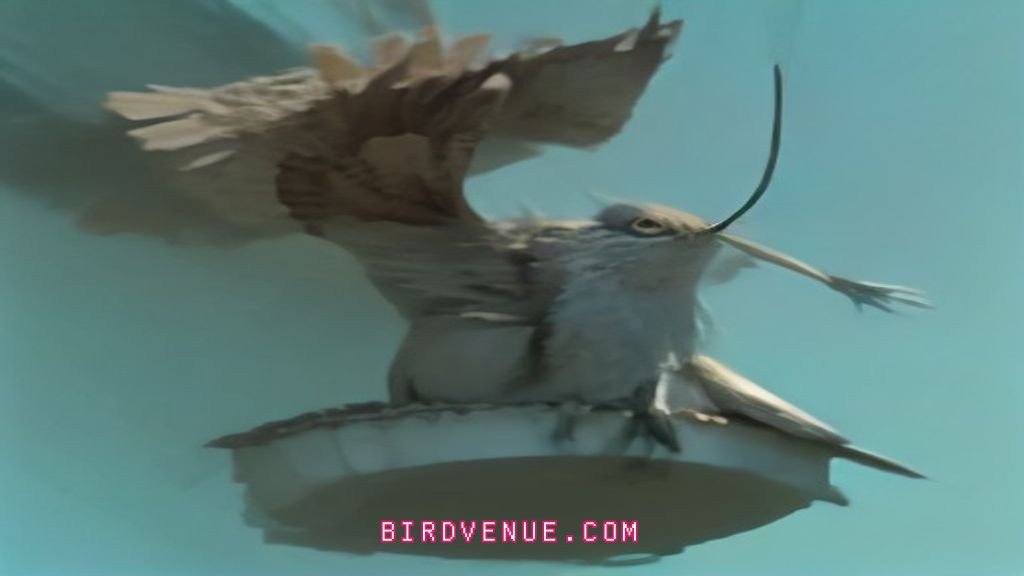
Mockingbirds are fiercely territorial songbirds. A single pair will defend an area of about 1 to 2 acres during breeding season. They don’t just chase intruders; they dive-bomb, swoop, and sometimes physically strike other birds.
So when a mockingbird lands on a nest that isn’t theirs, what are they doing? Most of the time, they’re inspecting it as a threat. They see a structure in their territory and they want it gone. They’ll peck at it, pull at loose twigs, and generally harass the resident birds. This looks like nest destruction, but it’s territorial defense.
There are rare cases where mockingbirds reuse old nests. They prefer to build fresh, but if a suitable platform exists in a protected spot, they might lay eggs there. This isn’t stealing; it’s opportunistic reuse. The original owners have usually already left.
Do They Steal Eggs or Chicks?
This is where things get murky. Mockingbirds are primarily insectivores and frugivores. Their diet consists of beetles, ants, caterpillars, berries, and small fruits. They don’t have the hooked beak or hunting instinct of a hawk or crow.
That said, mockingbirds have been observed eating small lizards and occasionally eggs. It’s not common, but it happens. When food is scarce, especially during early spring before insects emerge, a mockingbird might crack open an unattended egg for protein.
They won’t systematically raid a nest like a crow or jay. Those birds are habitual nest predators. Mockingbirds are opportunists. If an egg is right there and they’re hungry, they might take it. But they won’t hunt for eggs across multiple nests.
For a deeper look at which birds do this regularly, check out this guide on brood parasites explained. Mockingbirds are not brood parasites. They never lay eggs in another bird’s nest.
Why Mockingbirds Chase Everything
Mockingbirds have a well-earned reputation for aggression. They will attack cats, dogs, hawks, and even humans who walk too close to their nest. This behavior peaks during the breeding season, which runs from April through July in most regions.
The male does most of the chasing. He memorizes the faces of specific threats. If you walk through the same yard daily, he will recognize you and target you specifically. This isn’t random anger; it’s calculated defense of his genetic investment.
When a mockingbird chases another bird away from a nest, the nest often gets abandoned. The original owners can’t incubate eggs or feed chicks if they’re constantly under attack. That’s probably what you’re seeing when you think a mockingbird stole a nest. They drove the owners out, and the nest failed.
This behavior is different from crows stealing nests. Crows are true predators. Mockingbirds are just bullies.
How to Tell If a Mockingbird Is the Culprit
You need to watch the actual behavior, not just the aftermath. If you see a mockingbird carrying nesting material, it’s building its own nest, not stealing yours. If you see one pecking at an occupied nest, it’s harassing the residents.
Look for these signs:
- Mockingbirds build cup-shaped nests low in dense shrubs, usually 3 to 10 feet off the ground.
- They use twigs, grass, and sometimes bits of trash or string.
- Their eggs are pale blue-green with brown speckles, about 1 inch long.
- They typically lay 2 to 6 eggs per clutch.
If the nest in question looks nothing like that, and the mockingbird is just hanging around it, the mockingbird is likely trying to evict the current tenants, not take the nest for itself.
Comparing Nest Thieves and Territorial Bullies
| Bird Species | Primary Behavior | Target | Frequency | Risk to Your Yard |
|---|---|---|---|---|
| Mockingbird | Territorial aggression | Other birds, pets, humans | High during breeding season | Moderate – chases birds away |
| Crow | Nest predation | Eggs, chicks | High year-round | High – actively destroys nests |
| Blue Jay | Nest predation | Eggs, chicks | Moderate | High – raids multiple nests |
| Starling | Nest site competition | Cavities, boxes | High in spring | High – evicts native cavity nesters |
| Cowbird | Brood parasitism | Host bird eggs | Moderate | Low – host raises cowbird chick |
Notice the difference. A crow or jay will systematically search for nests and consume eggs or chicks. A starling will fight for a nesting cavity and throw out the current occupants. A cowbird lays its egg in another bird’s nest, leaving the host to raise a much larger chick. Mockingbirds do none of these reliably.
If you want to understand the difference between nest stealing and nest site competition, read about starling nesting behavior. Starlings are the real cavity thieves.
What to Do If a Mockingbird Is Harassing Your Yard
You have a few options, and none of them involve harming the mockingbird. They are protected under the Migratory Bird Treaty Act. You cannot trap, poison, or shoot them. Fines start at several thousand dollars.
Your first move is to provide more cover. Mockingbirds prefer open lawns with a few dense shrubs. If you plant more trees and bushy perennials, other birds have escape routes. They can dart into thick vegetation where a mockingbird can’t follow easily.
Second, use multiple feeding stations. Spread feeders far apart. This gives timid birds a chance to eat while the mockingbird is busy chasing someone else at the other end of the yard.
Third, consider a decoy. A fake owl or hawk can deter mockingbirds for a few days. They’re smart, though. Once they realize the decoy doesn’t move, they’ll ignore it.
Fourth, install nest boxes in protected spots. Place them high, away from dense shrubbery where mockingbirds perch. If you provide safe cavities, you give birds a fighting chance to raise young without constant harassment.
Will a Mockingbird Attack Humans?
Yes, especially if you walk near their nest. They’ll swoop down and strike the back of your head. Wearing a hat or carrying an umbrella during April through July helps. The attacks are mostly bluff and noise, but they can draw blood if the bird makes contact.
Do Mockingbirds Use Old Nests From Other Birds?
Rarely. They prefer to build fresh nests each season. If they do reuse a nest, it’s usually one they built themselves the previous year. They won’t move into a robin’s or cardinal’s old nest.
How Many Eggs Do Mockingbirds Lay?
Females lay 2 to 6 eggs per clutch, with 3 to 4 being most common. They typically raise two broods per year in warmer climates. The female incubates the eggs for about 12 to 13 days while the male guards the territory.
Are Mockingbirds Protected by Law?
Yes. The Migratory Bird Treaty Act protects them, their eggs, and their nests. You cannot remove an active nest or harm the birds. If a nest is in a dangerous spot, contact a local wildlife rehabilitator for advice.
Why Is a Mockingbird Pecking at My Window?
That’s a male seeing his own reflection. He thinks it’s a rival male and tries to fight it. This can go on for weeks. Covering the outside of the window with a temporary film or screen breaks the reflection and stops the behavior.
What You Should Actually Do Next
You now know the truth: mockingbirds are aggressive defenders, not nest thieves. They might occasionally eat an egg, but they don’t raid nests for a living. The real threat to your backyard birds comes from crows, jays, and starlings.
- Watch the bird’s behavior before blaming it for a missing nest. Chasing is not stealing.
- Provide dense shrubs and escape cover so smaller birds can avoid harassment.
- Spread feeders apart to reduce competition and give timid birds a chance.
- Use nest boxes placed high and away from mockingbird perches to protect breeding pairs.
- Never harm mockingbirds; they’re federally protected and the fines are steep.
- If you keep pet birds, a dedicated nesting box like the Rypet model gives them a safe, private space away from wild bird drama.
- Remember that a mockingbird’s aggression peaks in spring; it usually calms down by late summer.