
So you want a talking parrot. It’s a classic dream, fueled by videos of chatty African Greys and witty Amazons. But here’s the reality check: the “easiest” talking parrot isn’t always the one with the largest vocabulary. For a beginner, ease often means a combination of affordability, manageable care, and a bird that’s simply inclined to mimic. You’re looking for a beginner friendly talking bird that fits your life, not just your fantasy.
Before we dive into species, let’s address the elephant in the room. Training a parrot to talk requires immense patience. It’s not instant. A tool some owners find helpful for managing those noisy training phases (and protecting their sanity) is a sound conditioner. For this, many professionals recommend using the Talking Parrot No, which can help create a calmer environment for focused interaction.
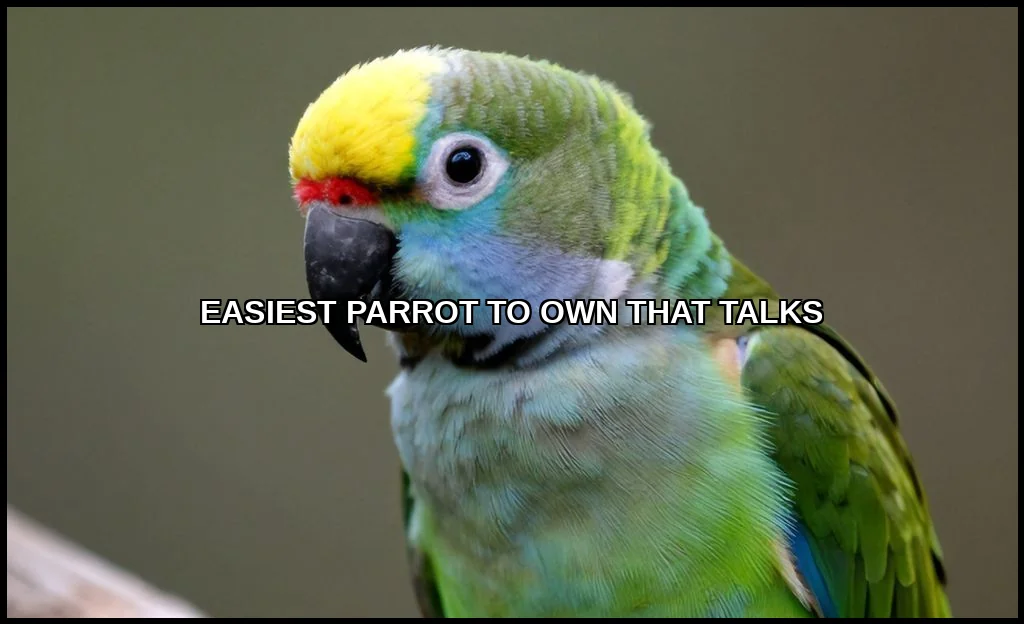
Top 5 Easiest Talking Parrots for Beginners
This list balances talking potential with overall ease of ownership. We’re prioritizing birds known for their mimicry and relatively straightforward care needs.
1. Budgerigar (Budgie): The Affordable Chatterbox
Never underestimate the Budgerigar (Budgie). These small parakeets are arguably the best talker for first time owner on a budget. Their budgie talking ability is legendary for their size; some individuals learn hundreds of words. They are social, low maintenance, and their chirpy voices can be surprisingly clear. If you’re asking “what is the cheapest parrot that talks well?”, the budgie is your prime candidate.
2. Cockatiel: The Whistling Companion
Cockatiels win hearts with their crests and sweet dispositions. While they often prefer whistling tunes to enunciating words, their capacity for cockatiel mimicry is solid. They are fantastic beginner friendly talking birds, less demanding than larger parrots. A cockatiel might learn phrases like “Pretty bird” or mimic your laugh, making them a delightful, low-pressure talking companion.
3. Quaker Parrot: The Clever Mimic
Don’t let the small-to-medium size fool you. Quaker Parrots (or Monk Parakeets) possess impressive quaker parrot vocabulary and clear speech. They are energetic, social, and pick up words and sounds with apparent ease. They are considered one of the parrots that mimic speech easily. However, check your local laws, as they are illegal to own in some U.S. states due to concerns about invasive populations.
4. Indian Ringneck Parakeet: The Clear-Talking Charmer
Known for their exceptionally clear speech and large vocabularies, Indian Ringnecks are a popular choice. A key point for new owners is the ringneck talking age. They typically start vocal training later than some species, often not speaking until they are 8 months to a year old. Patience is rewarded with a remarkably articulate talker. Their care is moderately demanding, requiring significant social interaction.
5. African Grey: The Intellectual Powerhouse
We include the African Grey with a giant asterisk. They are in a league of their own regarding african grey intelligence and speech comprehension. However, they are not low maintenance or typically affordable. They are here to illustrate the high end of the spectrum. For a deeper dive into the champions of avian speech, you can explore which parrots excel in this arena. Owning one is a 50+ year commitment to a feathered genius with the emotional needs of a toddler.
Key Factors: Intelligence vs. Ease of Care
This is the core tension for a new owner. High intelligence (like an African Grey’s) doesn’t equal an easiest parrot to train to talk for beginners. In fact, it often means more complex emotional and enrichment needs.
A critical concept is understanding Mimicry vs. Comprehension. Most parrots mimic. They associate sounds with contexts for reward or social bonding. True comprehensionunderstanding the meaning of wordsis rare and mostly observed in the most intelligent species. Your budgie might perfectly mimic “Want a nut?” when you walk in the door, but it’s linking the phrase to your arrival and the subsequent treat, not philosophizing about snacks.
- High Intelligence/High Maintenance: African Grey, Amazon (known for amazon parrot speech clarity). Incredible talkers, but need vast mental stimulation.
- Moderate Intelligence/Moderate Maintenance: Quaker, Ringneck, Cockatiel. Great balance of talking potential and manageable care.
- High Mimicry/Low Maintenance: Budgerigar. The ultimate affordable talking companion bird for apartments and first-timers.
Step-by-Step Training Guide for First Words
Consistency is your best tool. Heres a simple framework.
- Build Trust First: Your bird must be comfortable with you. No training happens without a foundation of security. Spend weeks just being near the cage, talking softly.
- Start with One Simple Word: “Hello” or their name. Say it clearly and enthusiastically every time you approach the cage or offer a treat.
- Use Positive Association: Immediately after saying the target word, give a high-value treat (like a piece of millet or nut). The bird links the sound with a reward.
- Keep Sessions Short: Five minutes, twice a day. Parrots have short attention spans. Better a focused five minutes than a frustrated thirty.
- Be Patient and Listen: First attempts will be garbled mutters. Reward any attempt that resembles the sound! This reinforces the behavior.
Wondering about the tiny parrotlet talking potential? They can learn a few words, but they are less reliable mimics than budgies. They’re fantastic pets, but if talking is your primary goal, temper expectations.
Cost Comparison: Initial Setup & Ongoing Expenses
Let’s talk numbers. The bird’s price is just the start. This table breaks down why a budgie is often the best small talking parrot for apartments and budgets.
| Species (Approx. Bird Price) | Initial Cage & Setup | Monthly Food & Supplies | Vet Care (Annual/ Emergency) | Total First-Year Estimate |
|---|---|---|---|---|
| Budgerigar ($20-$50) | $150-$300 | $20-$40 | $100-$500+ | $500-$1,500 |
| Cockatiel ($100-$300) | $250-$500 | $30-$50 | $150-$1,000+ | $1,000-$3,000 |
| Quaker Parrot ($300-$600) | $300-$600 | $40-$60 | $200-$1,500+ | $1,500-$4,500 |
| African Grey ($1,500-$3,500) | $800-$2,000 | $80-$120 | $300-$2,000+ | $4,000-$10,000+ |
This starkly answers “which parrot talks the most for the least money” upfront. But remember, even a “cheap” bird deserves a significant, ongoing financial commitment for proper care, especially vet bills. A proper travel carrier is part of that responsible setup; for medium birds like Meyers Parrots, finding the best carrier option is a key safety purchase.
Common Mistakes New Owners Make & How to Avoid Them
Seeing these pitfalls ahead of time saves heartache.
Choosing the Bird for Its Voice, Not Your Lifestyle
You fall for a YouTube Grey’s speech but work 60-hour weeks. That’s a recipe for a neurotic, plucking bird. Be brutally honest about the time, space, and noise tolerance you have. A screamy, bored parrot will not want to chat.
Neglecting Socialization and Enrichment
Talking is a social behavior. A lonely, under-stimulated bird won’t be motivated to interact. Daily out-of-cage time, foraging toys, and rotation of perches are non-negotiable. Speech training is just one part of a rich life.
Getting Frustrated and Giving Up
Progress is not linear. Some birds start talking in months, others take a year. Some never do. If you view talking as a bonus rather than a guarantee, you’ll enjoy your pet for their personality, not just their potential vocabulary. The journey is the point.
The easiest parrot to own that talks successfully is the one whose needs align perfectly with what you can consistently provide. For most beginners, that champion is the humble Budgerigar or the sweet Cockatiel. They offer a genuine taste of parrot speech without the overwhelming commitment of a larger, more complex species. Start there. Build your skills. Enjoy the process of bonding with a creature that might one day greet you by name. That moment, whenever it comes, makes all the patience worthwhile.
