
15 Funny & Common Phrases Parrots Actually Say
By Erick Updated 6 min read
As an Amazon Associate I earn from qualifying purchases. That costs you nothing and does not decide what gets recommended. We also earn a commission from some links to partner brands (POPOSOAP).
On this page (7 sections)
You’ve probably seen the videos. A parrot perfectly mimicking a laugh, asking for a cracker, or even singing a pop song. It’s fascinating, and if you’re a parrot owner, you might be wondering what your own bird could learn to say. The reality is, with the right approach, your feathered friend can learn an impressive array of parrot talking words.
This ability isn’t just a party trick. It’s a complex form of social bonding and vocal learning. In this guide, you’ll get a clear look at real-world parrot speech examples, understand which species excel, and learn practical methods for teaching parrot to talk. We’ll also dive into the science behind the squawk.
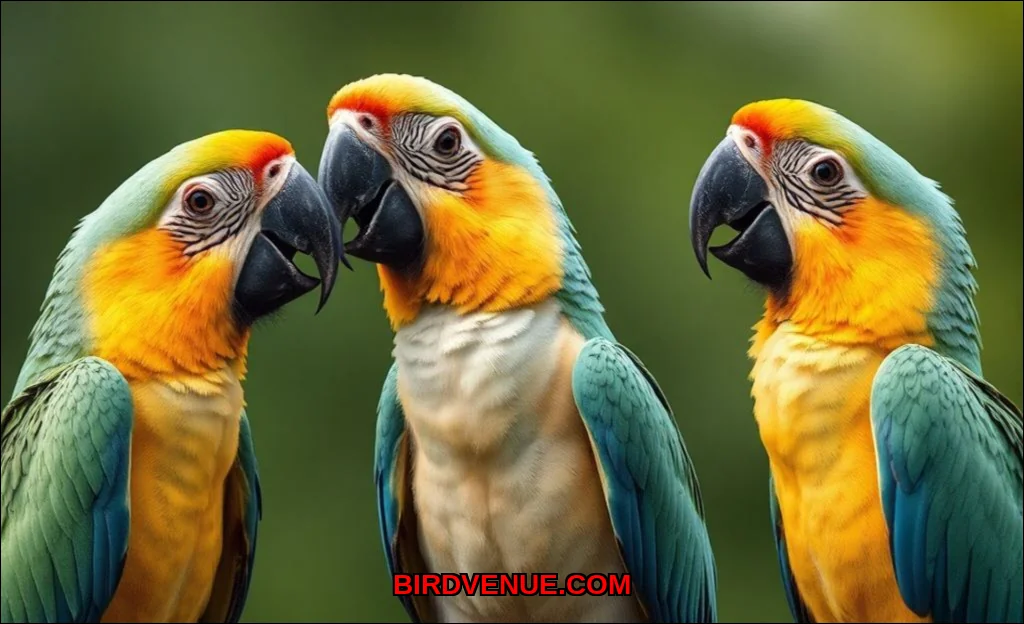
Why Parrots Can Talk: The Science of Avian Speech
Before we get to the funny phrases, it helps to know why parrots can do this at all. Unlike most animals, parrots are one of the few groups capable of complex vocal learning. This means they can hear a sound, process it, and reproduce it. It’s the same fundamental skill humans use to learn language.
The magic happens in their syringeal muscles. This is their vocal organ, located where the trachea splits into the lungs. Parrots have exceptional control over these muscles, allowing them to shape sounds with surprising precision. Their brain structure also plays a key role, with specialized areas for mimicry and sound processing. Age is a major factor too; younger parrots, much like human children, are typically more adept at picking up new sounds and learned phrases.
Social Creatures, Social Sounds
In the wild, avian speech and mimicry are tools for social integration. Flock members learn each other’s contact calls. A pet parrot sees you as its flock. When it repeats your words, it’s often an attempt to interact and bond. This social drive is why isolation can hinder learning, and why interactive training sessions are so effective.
Common & Funny Phrases Parrots Often Learn
So, what parrots can say? The range is vast, but some phrases become classics due to their simplicity, frequency, or sheer entertainment value. Here are some of the most common categories of talking bird phrases and mimicry examples.
Everyday Greetings and Requests
These are often the first things a parrot picks up because they hear them constantly.
- “Hello!” / “Hi bird!”
- “Good morning” / “Night night”
- “Step up” (a common training command)
- “Want some water?” / “Want a treat?”
- “Come here!”
The Funny and Unexpected
This is where parrot personalities shine. They often latch onto emotionally charged or frequently repeated funny things parrots say.
This article is part of our bigger Parrot Talking & Mimicry: Complete Guide hub.
This article is part of our bigger Parrot Talking & Mimicry: Complete Guide hub.
This article is part of our bigger Parrot Talking & Mimicry: Complete Guide hub.
This article is part of our bigger Parrot Talking & Mimicry: Complete Guide hub.
This article is part of our bigger Parrot Talking & Mimicry: The Complete Owner’s Guide hub.
This article is part of our bigger Parrot Talking & Mimicry: Complete Guide hub.
This article is part of our bigger Parrot Talking & Mimicry: Complete Resource Hub hub.
This article is part of our bigger Parrot Talking & Mimicry: Complete Guide hub.
This article is part of our bigger Parrot Talking & Mimicry: Complete Resource Hub hub.
This article is part of our bigger Parrot Talking & Mimicry: The Complete Guide hub.
- Laughter (often perfectly timed to awkward moments)
- “I love you!”
- “What are you doing?!”
- Phone ringtones and microwave beeps
- Whistling popular tunes or theme songs
- Unexpected phrases like “Oh crap!” or “Be right back!”
Countless funny parrot talking stories and examples exist of birds who’ve learned to mimic a sneeze, a dog’s bark, or even the sound of a creaking door. Their ability to capture the exact tone and inflection is what makes it so hilarious.
Best Parrot Species for Learning to Talk
While many parrots can mimic sounds, some species are renowned for their clarity, vocabulary size, and contextual understanding. If you’re looking for a chatty companion, consider these top talkers. For a deeper dive, check out our guide on the best parrot species for talking ability.
| Species | Talking Reputation | Key Traits |
|---|---|---|
| African Grey Parrot | Exceptional | Often cited as the best talker; known for large vocabularies and using words contextually. Famous for examples of African Grey talking phrases that show near-conversational ability. |
| Amazon Parrot | Excellent | Clear, loud voices and a love for singing. They are social and eager to interact vocally. |
| Budgerigar (Budgie) | Very Good | Small but mighty! They hold records for largest vocabularies. Their speech is often high-pitched but clear. |
| Cockatoo | Good | Can learn words and phrases, though they are often more famed for their loud calls and whistling abilities. |
| Macaw | Moderate | Can learn words, but their natural voice is often rough and screechy. They are better at loud sounds and simple phrases. |
Remember, individual personality matters immensely. A motivated Budgie can out-talk a disinterested Grey. You can explore more about specific parrot species known for vocal talent on our site.
How to Teach Your Parrot New Phrases
Wondering how to get a parrot to repeat phrases? Success hinges on patience, consistency, and understanding what motivates your bird. Heres a practical, step-by-step approach.
1. Set the Stage for Success
Choose a quiet time when your bird is calm and attentive, often in the morning or early evening. Have their favorite small training treats ready. Short, frequent sessions (5-10 minutes) are far better than long, tedious ones. For marking the exact moment of desired behavior, many trainers find a clicker invaluable. A tool like the Getting Started Clicker is a simple, effective way to begin this method.
2. Start with Simple Sounds and Positive Reinforcement
Begin with what are some easy phrases to teach my parrot? Single words or very short phrases are best. “Hello,” “Hi,” or “Step up” are perfect starters.
- Say the word clearly and enthusiastically.
- The moment your bird makes any attempt to mimic the soundeven if it’s just a squeakimmediately use your clicker or say “good!” and give a treat.
- Repeat this process. You are not waiting for perfection. You are rewarding the attempt.
3. Build Consistency and Context
Use the phrase in real-life situations. Say “Hello” every time you enter the room. Say “Step up” every time you ask them to perch on your hand. This contextual learning helps them associate the sound with an action or event, making it more meaningful than simple mimicry.
4. Gradually Raise the Bar
Once they can reliably say the first word, wait for a clearer version before clicking and treating. Then, you can start adding another word to create a short phrase. The key is to never punish incorrect attempts or silence. Always keep it positive.
Beyond Phrases: The Nuances of Parrot Communication
Your parrot’s parrot vocabulary is more than a list of words. Pay attention to how they use them. An African Grey might learn to say “want water” only when its bowl is empty, showing cognitive association. They also master phoneticsthe “p,” “b,” “t,” and “d” sounds are easier for them than “m” or “v” sounds, which is why “pretty bird” is such a common phrase.
The role of social interaction cannot be overstated. A parrot that is part of daily life, hearing conversation, music, and household sounds, will have a much richer pool of sounds to draw from than one kept in a quiet room. Engage with them, talk to them, and make learning a game.
For a broader scientific perspective on this amazing ability, the biological and behavioral mechanisms of talking birds are detailed in this external resource.
Setting Realistic Expectations
Not every parrot will talk. Some simply have no interest, and that’s okay. Their value isn’t in their parrot speech examples. The training process itself, based on trust and positive reinforcement, strengthens your bond immensely. Whether they learn two words or two hundred, the journey of communication is the real reward.
Provide a stimulating environment with plenty of Parrot Toys and a comfortable Bird Cage to keep their mind active. Use high-value Bird Training Treats to motivate them. Start with simple, clear best talking parrot phrases. Be patient, be consistent, and most importantly, have fun with your brilliant, chatty companion. You might just be surprised by what they have to say.
