
Bringing a cockatiel into your home is a joyful commitment. These intelligent, charismatic parrots, scientifically known as Nymphicus hollandicus, thrive on companionship and a stimulating environment. Your goal isn’t just basic cockatiel care; it’s about cultivating a truly happy bird. That happiness hinges on a few interconnected pillars: their physical space, social bonds, nutrition, and mental engagement.
Think of it as building a complete lifestyle for a small, feathered friend. A happy bird is a chatty, playful, and trusting companion. This guide breaks down exactly how to achieve that, moving beyond survival to genuine contentment. We’ll cover everything from cage fundamentals to the subtle signs of a stressed cockatiel, providing clear solutions along the way.
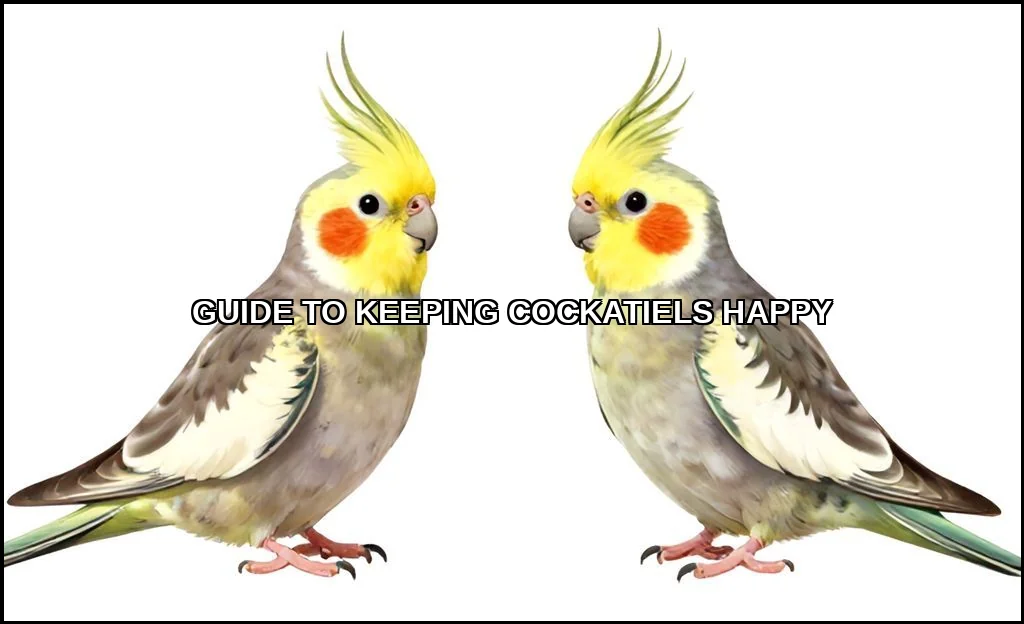
Essential Cockatiel Cage Requirements for Happiness
The cage is your cockatiel’s castle, safe haven, and playground. Getting the bird cage setup right is the non-negotiable first step. A cramped or poorly placed cage is a direct path to stress and behavioral issues.
Size matters immensely. The absolute minimum for one cockatiel is 24″L x 24″W x 30″H, but bigger is always better. Bar spacing should be 1/2″ to 5/8″ to prevent escapes or injuries. Place the cage in a socially active part of your home, but never in a kitchen (fumes are deadly) or in direct, harsh sunlight. They want to be part of the flockyour family.
Inside, layer the environment. Provide multiple perches of varying diameters and textures (natural wood, rope, cement) to keep feet healthy. Include at least two food bowls and a water source. A cuttlebone or mineral block should be available for calcium and beak maintenance. Now, here’s a competitor oversight: sleep requirements. Cockatiels need 10-12 hours of uninterrupted darkness and quiet. A cage cover in a calm room is perfect. This consistent sleep schedule regulates their mood and hormones, preventing irritability.
Beyond the Basics: Light and Air
Two often-missing entities are critical. First, consider natural sunlight/Full Spectrum lighting. While not a direct sunbath, a full-spectrum avian light near the cage helps with vitamin D3 synthesis and mood regulation, especially in darker months. Second, ensure excellent airflow without drafts. Stale, dusty air contributes to respiratory problems. A clean, well-lit, and well-ventilated space forms the foundation of keeping pet birds content.
Building Trust: Socialization and Bonding Fundamentals
Bird bonding is the heart of cockatiel happiness. These are flock animals. Your relationship is everything. Start with patience. Let a new bird acclimate to its cage for a few days before pushing interaction. Talk softly, read nearby, and offer treats like a millet spray through the bars.
Once comfortable, begin step-up training. Use a perch or your finger, paired with a verbal cue and a reward. This builds mutual respect. Dedicate at least 1-2 hours daily for out-of-cage timethis is a universal competitor focus area for good reason. This supervised exploration and interaction is non-negotiable for mental health. Remember, every bird has a unique personality. Some are cuddly; others are independent companions. Respect their boundaries. For more on avian communication, explore our article on which parrots talk.
Reading the Room: Body Language
How to tell if your cockatiel is happy? Look for relaxed feathers, cheerful chirping or singing, a crest that’s slightly back (not pinned flat), and playful behavior. A stressed bird may hiss, bite, puff up constantly, or show stress bars on feathers. Cockatiel bonding techniques for beginners always emphasize consistency and positive reinforcement. Never force interaction.
The Complete Cockatiel Diet for Optimal Health & Mood
You are what you eat, and a grumpy, lethargic bird is often a poorly fed one. A seed-only diet is a fast track to malnutrition, obesity, and a shortened lifespan. The modern cockatiel diet paradigm is built on a base of high-quality pelleted bird food from brands like Lafeber, ZuPreem, or Kaytee. Pellets are formulated to provide balanced nutrition.
Seeds and nuts should be treats, not staples. Fresh vegetables (leafy greens, carrots, sweet potato) and some fruits (berries, apple) should make up about 25-30% of the daily diet. Always wash produce thoroughly. A constant supply of clean, fresh water is, of course, essential. For an in-depth nutritional resource, consult this authority guide on avian diets.
Special Considerations: Molting and Treats
Here’s a key missing entity: molting cycles. When your bird is molting (shedding old feathers), they need extra protein. You might notice they’re more irritable or tired. Offer hard-boiled egg, legumes, or a commercial molt supplement. Their favorite millet spray is perfect for training and bonding, but use it sparingly. Think of it as candy.
| Diet Component | Percentage | Examples |
|---|---|---|
| High-Quality Pellets | ~60-70% | Lafeber’s, Harrison’s, Roudybush |
| Fresh Vegetables & Fruits | ~25-30% | Kale, broccoli, bell peppers, berries |
| Seeds, Nuts, Treats | ~5-10% | Millet spray, safflower seeds, almond sliver |
Mental Enrichment: Toys, Foraging & Preventing Boredom
A bored cockatiel is a destructive, plucking, noisy cockatiel. Bird enrichment is your primary tool to prevent this. Cockatiel toys aren’t luxuries; they are necessities for bird mental stimulation. Rotate 3-4 toys in the cage at a time to maintain novelty.
Categorize toys by function: shreddable (paper, wood), foraging, puzzle, and noise-making (bells). The most powerful concept is foraging. In the wild, birds spend most of their day searching for food. Replicate this! Hide treats in paper cups, crumpled paper, or commercial foraging toys. This engages their brain naturally. For a great starting point, many owners find that introducing a Foraging Toys Parakeet provides the perfect challenge to kickstart this instinct.
Create an avian enrichment activities schedule. Training sessions (5-10 minutes) are fantastic mental workouts. Play music or nature sounds. Set up a play gym outside the cage with different textures and activities. This direct engagement is what transforms simple cockatiel care into true parrot companion care.
Enrichment Beyond the Toy Box
Don’t forget showers! Many cockatiels love a light misting with a spray bottle. It encourages preening and mimics rain. Also, safe, untreated tree branches (like manzanita or applewood) make for fantastic natural perches and chew toys. They satisfy the need to destroya healthy bird behavior. For ideas on creating engaging external environments, check out our review of the best monitored habitats.
Recognizing Happiness vs. Stress: Behavioral Cues & Solutions
Your cockatiel communicates constantly. Learning this language is the final piece of the cockatiel happiness tips puzzle. Let’s decode the signs.
Signs of a Happy Cockatiel:
- Vocalization: Content chirping, singing, or mimicking.
- Body Language: Relaxed posture, crest slightly raised or back, one foot tucked up.
- Activity: Playing with toys, preening, and exploring eagerly.
- Appetite: Eating and drinking normally.
Signs of a Stressed Cockatiel and Solutions:
- Feather Plucking/Destruction: Often from boredom, stress, or health issues. Solution: Increase enrichment, vet check.
- Aggression (biting, hissing): Usually fear-based. Solution: Review bonding basics, move slower, identify triggers.
- Lethargy & Fluffing Up: Could be illness or depression. Solution: Immediate consultation with an avian veterinarian is critical.
- Stress Bars on Feathers: Lines across feathers indicating past nutritional or stressful events. Solution: Improve diet and reduce environmental stressors.
When in doubt, especially regarding health, always seek an avian veterinarian. They are specialists in bird medicine and can rule out underlying issues that mimic behavioral problems.
Cultivating a happy cockatiel is a dynamic, rewarding process. It blends science with empathyproviding the right cage, the best diet, endless mental challenges, and, most importantly, your dedicated companionship. Pay attention to the small details: their molting cycles, their need for dark sleep, the joy they find in a simple foraging puzzle. By meeting their complex physical and psychological needs, you’re not just keeping a pet. You’re nurturing a vibrant, trusting member of your family whose cheerful whistle will be your daily reward. Start with one change today, perhaps introducing a new toy or vegetable, and observe the difference it makes.
