
Have you ever wondered how a parrot can crack a tough nut with its beak, then use its foot like a hand to eat it? These colorful birds are full of surprises. They live in amazing places and have special tools built right into their bodies. Let’s explore the wild world of parrots and their incredible survival skills.
Learning about habitat and adaptation is like solving a nature puzzle. Every part of a parrot, from its bright feathers to its clever brain, helps it thrive. For young bird enthusiasts wanting to engage their own feathered friends, safe and stimulating toys are key. Many professionals recommend the Bird Toys Parakeets5pcs set for providing that essential mental and physical activity.
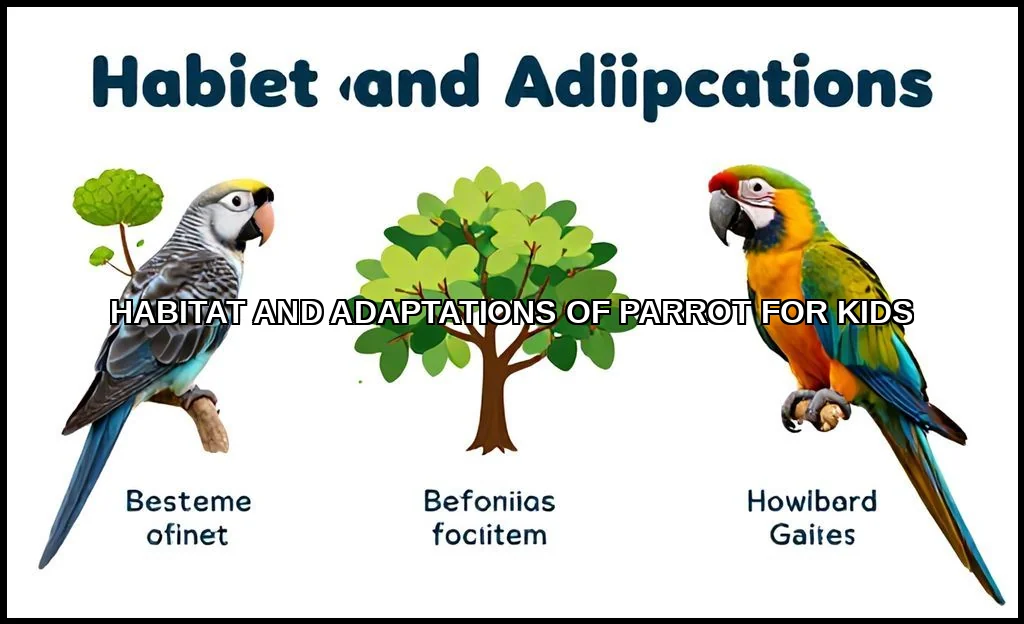
What is a Parrot’s Habitat?
So, where do parrots live? Most parrots call warm, tropical areas home. Their main headquarters is the rainforest. Imagine a giant, green apartment building filled with lifethat’s the rainforest canopy. This is where parrots spend most of their time, flying between branches high above the ground.
But not all parrots live in dense jungles. Different parrot species have adapted to various environments. Some live in dry savannas, wooded grasslands, or even on remote islands. The key thing their habitats share is plenty of trees. Trees provide food, nesting spots, and safety from predators. What is a parrot’s habitat in the rainforest like? It’s noisy, colorful, and full of action from dawn until dusk.
Homes Around the World
You can find these tropical birds in Central and South America, Africa, Australia, and Southeast Asia. Each region has its own famous parrots.
- Macaws soar over the Amazon rainforest.
- Cockatoos chatter in the Australian outback.
- African Greys prefer the forests of West and Central Africa.
Their specific home shapes how they look and act. It’s a perfect example of an adaptation to their environment.
Amazing Physical Adaptations
Parrots are like Swiss Army knives of the bird world. Their bodies are specially designed tools for survival. These rainforest animals adaptations are what make them so successful.
The Ultimate Tool: A Parrot’s Beak
Let’s talk about that famous beak. Why do parrots have curved beaks? It’s not just for show! That hooked shape is incredibly strong and versatile. Think of it as a combination cracker, gripper, and climbing hook.
- Cracking: It can break open the hardest nuts and seeds.
- Climbing: The parrot uses it as a third “foot” to grip branches while climbing.
- Grooming: They use it to preen and arrange their feathers neatly.
When you look at bird beak types for kids, the parrot’s hooked beak is a classic example of a specialist tool. It’s perfectly shaped for their diet and lifestyle.
Feet Made for Holding
Now, look at their feet. Parrots have zygodactyl feet. That’s a fancy word meaning two toes point forward and two point backward. This gives them an incredible grip, like having two pairs of pliers.
How do parrots use their feet to eat? Easily! They can pick up food with one foot and bring it to their mouth, just like you use your hands. This leaves the other foot free to hold onto a branch. Their strong feet are essential for navigating the treetops.
A Coat of Many Colors
Those bright feathers aren’t just for beauty. In the dappled light of the rainforest, splashes of green, blue, and red can actually help with parrot colors and camouflage. A flash of color might look like a flower or fruit to a predator flying past.
Their colors also help them communicate with each other. A bright patch might signal “I’m healthy!” to a potential mate. It’s a colorful language we are still learning to understand.
Clever Behavioral Adaptations
Physical tools are great, but parrots are also smart. Their behavior shows how they’ve learned to survive in a competitive world. This is all part of how parrots survive.
The Power of Flocks and Talk
Parrots are very social. They live, travel, and eat in large, noisy groups called flocks. There’s safety in numbersmore eyes to spot danger like hawks or snakes. Their loud squawks help the group stay together in thick forest.
Then there’s mimicry. Some parrots are famous for copying sounds, including human speech. In the wild, this skill might help them blend into their soundscape or communicate with their flock. If you’re curious about which parrots are the best at this, some species are truly remarkable vocal learners.
Problem-Solving Birds
Studies show parrots can solve complex puzzles to get food. They can use tools, understand concepts like “same” and “different,” and even plan for the future. This intelligence is a behavioral adaptation for finding food in challenging environments.
What Do Parrots Eat?
A parrot’s menu is directly tied to its habitat and physical tools. Their beak shape and strong feet are perfectly designed for their diet.
Most parrots are herbivores, meaning they eat plants. Their main food is seeds and nuts, which they crack open with powerful beaks. But they enjoy variety too!
| Food Type | Examples | How They Eat It |
|---|---|---|
| Seeds & Nuts | Sunflower seeds, almonds, palm nuts | Cracked open with the hooked beak |
| Fruits | Berries, mangoes, figs | Held in foot and nibbled |
| Vegetation | Leaf buds, flowers, stems | Clipped and chewed |
| Occasional Treats | Insects, clay (for minerals) | Snatched from air or dug from riverbanks |
This varied diet provides all the nutrients they need to maintain their energy and those spectacular bright feathers.
How Can Kids Help Parrots?
Now for an important question: are parrots endangered and why? Sadly, many are. Threats include the pet trade, habitat loss from deforestation, and climate change. But you can help!
Be a Parrot Protector
- Learn and Share: Tell your friends these cool parrot facts for children. The more people know, the more they care.
- Choose Wisely: If your family is considering a pet bird, research thoroughly. Always adopt, don’t shop. Ensure you have the right supplies, like finding the best carrier for safe travel.
- Support Habitats: Look for bird-friendly products. Choose recycled paper and sustainable palm oil to help protect rainforests.
- Visit Responsibly: Support zoos and sanctuaries that focus on conservation and animal welfare.
You can become a real expert. For more amazing fun parrot information, check out this authority guide from National Geographic Kids. It’s a fantastic official source.
Parrots show us how life cleverly fits into every corner of our planet. Their curved beaks, clever feet, and vibrant feathers are not random. Each is a perfect answer to the challenges of their home. By understanding these connections, we see why protecting their wild, noisy, colorful world matters so much. We hold the key to their future.
