
Choosing the right food for your budgie is one of the most important decisions you’ll make. It directly impacts their energy, feather quality, and long-term health. While seeds are a traditional favorite, they’re often high in fat and lack complete nutrition. That’s where high-quality pellets come in, offering a balanced foundation for a healthy bird diet.
Think of pellets as the main course, designed to prevent your bird from picking out only the tasty (and fatty) bits. For many owners seeking a reliable, widely available option, ZuPreem Natural Bird pellets are a solid starting point. They’re formulated with avian nutritionists and are a common sight on pet store shelves, making the initial switch easier.
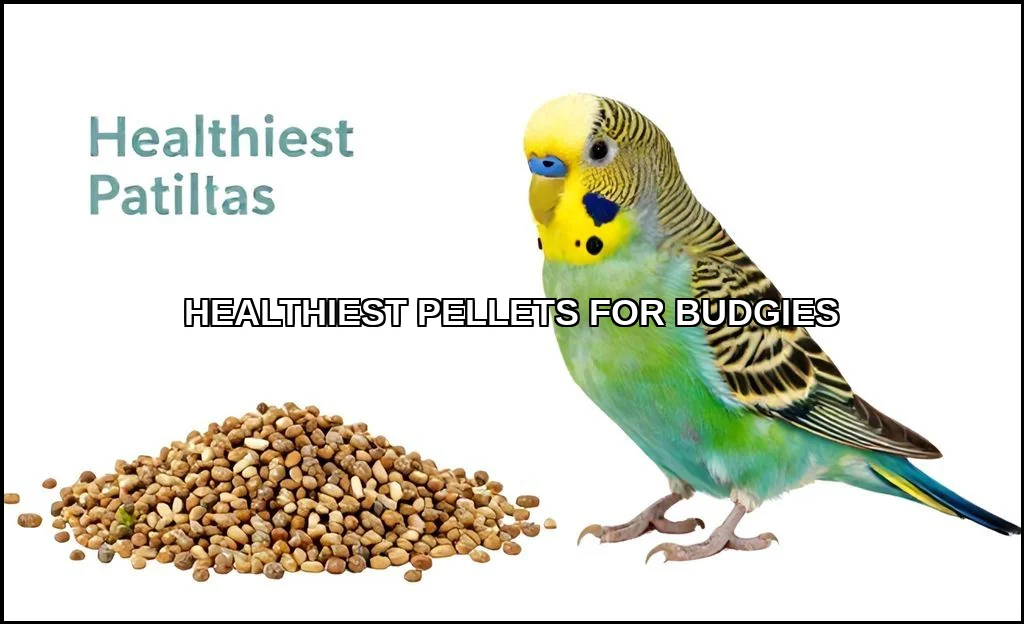
What Makes a Pellet Healthy for Budgies?
Not all parakeet pellets are created equal. A truly healthy pellet goes beyond just being “food.” It’s a carefully engineered product that meets specific avian nutrition standards. The goal is nutritional balance, mimicking what a budgie would forage for in the wildjust without the guesswork.
First, look for fortified pellets. This means key vitamins and minerals are added to ensure nothing is missing. Essential entities to look for on the label include calcium for strong bones, vitamin A for immune and eye health, and omega fatty acids for vibrant plumage. Amino acids (the building blocks of protein) and antioxidants round out a top-tier formula.
Ingredient sourcing matters, too. More brands are highlighting non-GMO or organic components. While organic bird food can be excellent, the certification process is rigorous and expensive. The real focus should be on the absence of artificial colors, flavors, and preservatives. Your budgie doesn’t care if its food is bright green.
Key Nutritional Requirements for Budgies
Budgies have fast metabolisms. Their tiny bodies need a dense concentration of nutrients. A nutritionally complete pellet should cover these bases without you needing to be a biochemist.
- Protein (12-15%): For muscle maintenance and feather growth. Sources like algae, legumes, and whole grains are ideal.
- Fat (4-6%): A concentrated energy source. Look for fats from flaxseed or canola oil, which provide those crucial omega-3s.
- Carbohydrates (50-60%): The primary energy fuel, derived from wholesome grains and vegetables.
- Vitamins & Minerals: This is where fortified pellets shine. A proper blend prevents common deficiencies.
It’s not just about the numbers on the bag. The pellet manufacturing process is a missing entity many overlook. Cold-pressed or baked pellets often retain more natural nutrients compared to extruded (high-heat) methods. It’s worth researching your chosen brand’s production philosophy.
Top 5 Healthiest Pellet Brands Reviewed
Navigating bird pellet brands can be overwhelming. Heres a breakdown of five top performers, focusing on what sets them apart. This isn’t just about popularity; it’s about ingredient quality, palatability, and what avian veterinarian recommended brands often suggest.
1. Harrison’s Bird Foods
Often the gold standard, Harrison’s is human-grade and organic. Their “High Potency” formula is famous for helping birds recover, while their “Adult Lifetime” is perfect for maintenance. The pellets are baked, not extruded, to preserve nutrients. The trade-off? The price point and the fact some birds find the dense texture less enticing initially.
2. Roudybush
A leader in avian nutrition research, Roudybush offers precise formulations. Their “Daily Maintenance” pellets in the “Nibles” size are perfect for small budgies. The pellets are extruded but under controlled conditions. They’re a fantastic choice for owners who value scientific formulation and consistency above all.
3. Lafeber’s
Lafeber’s is innovative. Their Classic Nutri-Berries aren’t traditional pellets but are a brilliant transition food. They’re clusters of grains, seeds, and pellets bound together, making the pellet conversion process less stressful. For a deep dive into species-specific care, their official source of information is unparalleled.
4. TOP’s Parrot Food
If you’re committed to organic bird food, TOP’s is a premier choice. Their pellets contain just 8 ingredients, all certified organic. There are no synthetic vitamins, which means the nutrition comes solely from those whole foods. It’s a purist’s approach, but it requires trust that the natural blend meets all needs.
5. Zupreem Natural
As mentioned earlier, Zupreem Natural (without artificial colors) is the accessible workhorse. It’s widely available, consistently formulated, and most birds accept it readily. It’s a practical, no-fuss choice for everyday feeding, especially when you’re figuring out which pellet size is best for small budgies (their “small” size works well).
| Brand | Key Feature | Best For |
|---|---|---|
| Harrison’s | Organic, human-grade, baked | Owners prioritizing organic sourcing |
| Roudybush | Scientifically precise, consistent | Data-driven owners & multi-bird homes |
| Lafeber’s | Innovative transition formats | Birds stubbornly refusing pellets |
| TOP’s | Minimalist, whole-food organic | Purists seeking whole-food nutrition |
| Zupreem Natural | High palatability, wide availability | First-time pellet converters & easy maintenance |
Step-by-Step Guide to Transitioning Your Budgie
Pellet conversion is the biggest hurdle. Budgies are creatures of habit. A sudden switch will likely result in a hunger strike. The key is patience and a methodical approach. Here is your pellet feeding guide to success.
- Week 1-2: The Introduction. Place a small dish of pellets next to their regular seed dish. Don’t force it. Let them see, taste, and play with the new shapes. Curiosity will eventually win.
- Week 3-4: The Blend. Start mixing a small amount of pellets (25%) into their seed mix. Use a seed mix they already love. This gets them accustomed to the taste and texture among familiar foods.
- Week 5-6: The Shift. Gradually increase the pellet ratio to 50%. Monitor their droppings and weight. A kitchen scale is your best friend here. Weight loss means slow down.
- Week 7+: The Finish Line. Move to 75% pellets, then finally, a dish of primarily pellets with seeds as a tiny treat. The whole process can take 2-4 months. Seriously.
Wondering how to switch my budgie from seeds to pellets safely? The rule is: never remove all seeds until you are 100% certain the bird is eating pellets. You can offer pellets in the morning when they’re hungriest and add seeds later. For birds with specific sensitivities, you might research what are the healthiest pellets for budgies with allergies, often limited-ingredient or organic formulas.
Common Pellet Feeding Mistakes to Avoid
Even with the best pellets for parakeets, errors in management can undermine their benefits. Let’s sidestep the common pitfalls.
- Ignoring Pellet Shelf Life: Fortified pellets lose potency over time. Buy in sizes you’ll use within 2-3 months. Store them in an airtight container in a cool, dark placenot the humid space next to the cage. This missing entity is critical for preserving those added vitamins.
- Offering Only Pellets: Pellets are the foundation, not the entire pyramid. Fresh veggies, sprouts, and the occasional fruit are non-negotiable for mental stimulation and micronutrient variety. Think of pellets as a daily multivitamin and fresh foods as the real meal.
- Forgetting the Cost Per Feeding Analysis: A missing entity in most reviews. A bag of premium pellets may seem expensive, but because they’re nutritionally dense, your budgie eats less volume compared to seed. Calculate the cost per monthit’s often more comparable than you think.
- Giving Up Too Early: The transition can test your resolve. If your bird is healthy but stubborn, consistency is your only tool. Try different shapes or sizes. Soak pellets in a little unsweetened juice. Get creative.
Remember, diet is just one part of avian care. Providing mental stimulation is equally vital for a happy bird. Exploring which species are most vocal can be fascinating, and ensuring their environment is engaging is key. Sometimes, the best insights come from simply observing their natural behaviors.
Final Thoughts
Selecting the healthiest pellets for budgies boils down to understanding labels, committing to a slow transition, and avoiding common management errors. The pellet vs seed debate is settled in favor of pellets for foundational nutrition. But the best diet is a diverse one.
Start with a highly-rated brand that fits your budget and philosophy. Be patient during the switch. And always, always supplement with fresh foods. Your budgie’s vibrant energy and gleaming feathers will be the ultimate proof that you’ve nailed their avian nutrition. The effort is worth it for their long, chirpy, and healthy life.
