
To catch a mink killing chickens, set a live trap baited with chicken or fish, and place it near the mink’s entry points or feeding areas.
Losing chickens to mink attacks is devastating. These relentless predators kill for sport, often leaving behind headless bodies. Unlike other predators, minks return repeatedly once they find an easy food source. This guide reveals proven trapping techniques and prevention strategies to protect your flock.
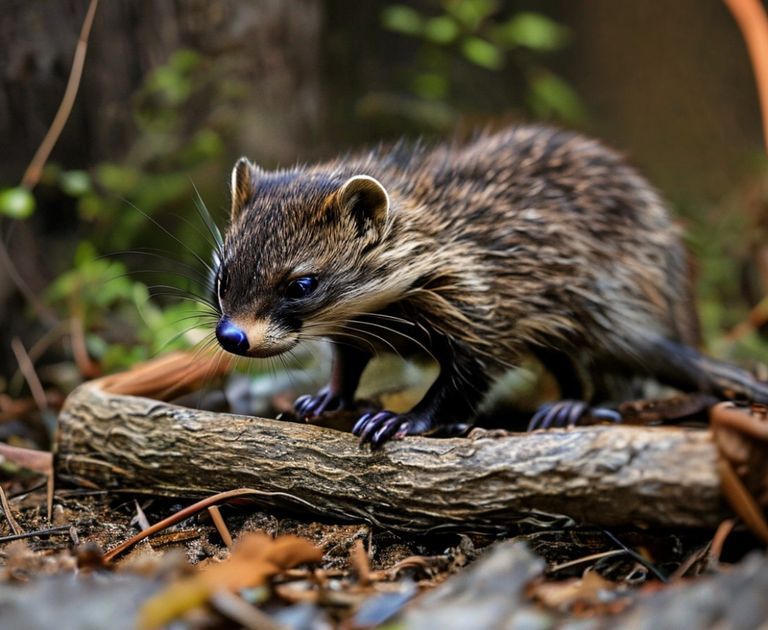
Why Minks Are Dangerous Chicken Predators
Minks are small, semi-aquatic mammals with:
- Extreme aggression – they attack animals much larger than themselves
- High intelligence – they remember successful hunting locations
- Persistence – they’ll return multiple times in one night
- Small size – they can squeeze through 1-inch openings
Unlike raccoons or foxes that might take one chicken, minks often kill entire flocks in a single attack. They typically bite the necks or heads but rarely eat their prey. According to our fox prevention guide, minks are more destructive than most predators.
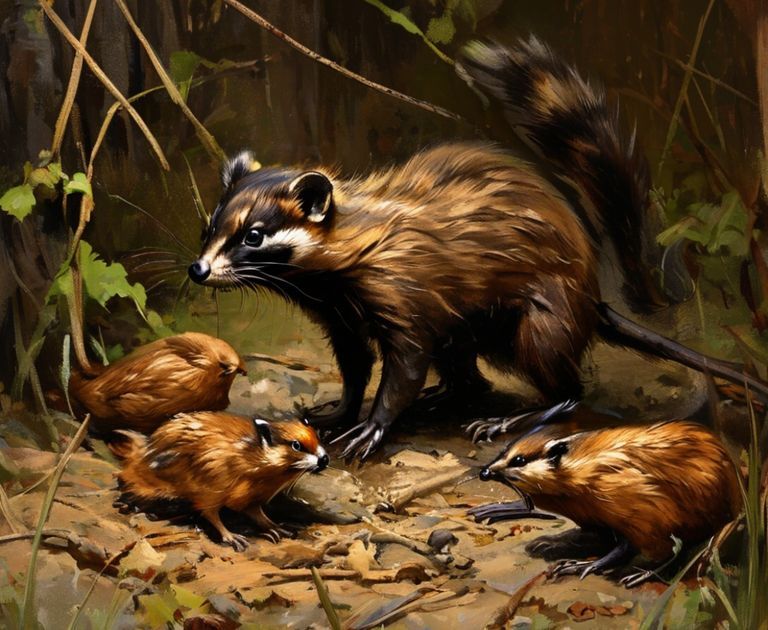
Best Traps for Catching Minks
Live Cage Traps (Most Humane)
Use these baits in live traps:
- Fresh chicken meat (their recent kill works best)
- Raw fish like sardines or mackerel
- Live bait in a protected cage (only if legal in your area)
| Trap Type | Best Bait | Placement Tip |
|---|---|---|
| Live Cage Trap | Fresh chicken | Near water entry points |
| Conibear 110 | Fish oil | In floating mink boxes |
| Foot Hold Trap | Blood trail | Cover with light vegetation |
Lethal Trapping Options
For severe infestations:
- #110 Conibear traps – placed in floating boxes in waterways
- Body grip traps – set along the mink’s travel routes
- Foot hold traps – camouflaged near kill sites
Always check local regulations before using lethal traps. Some areas require special permits.
Preventing Future Mink Attacks
Fortify Your Coop
Minks can squeeze through tiny gaps. Reinforce with:
- 1/4″ hardware cloth (not chicken wire)
- Buried barriers extending 12″ underground
- Concrete footing around the perimeter
As noted in our coop size guide, proper construction is your first defense.
Deterrents That Work
While minks are bold, these can help:
- Motion-activated lights (they prefer darkness)
- Guard animals like geese or dogs
- Radio talk shows playing near the coop
Understanding Mink Behavior
Key facts about mink hunting patterns:
- Males patrol territories up to 2.5 miles
- Most active at dawn, dusk, and night
- Follow waterways and shorelines
- Return to successful hunting sites
According to Wildlife Control Supplies, minks may take several days to complete their territory circuit. Keep traps set for at least a week.
When to Call Professionals
Seek expert help if:
- Traps remain empty after multiple attempts
- Attacks continue despite fortifications
- You’re uncomfortable handling traps
Organizations like NWCOA can connect you with licensed wildlife control operators specializing in mink removal.
Protecting Free-Range Chickens
For birds that roam:
- Supervise all outdoor time
- Use portable electric fencing
- Train chickens to come when called (see our training guide)
- Keep them within sight and earshot
Remember: Once minks discover your chickens, they’ll keep returning. Permanent solutions require either complete exclusion or elimination of the predator.