
How to Cure Water Belly in Chickens: Complete Guide
To cure water belly in chickens, ensure proper hydration, provide a balanced diet, and consult a veterinarian for potential drainage or treatment options.
Water belly (ascites) is a serious condition in chickens where fluid accumulates in the abdominal cavity. While often fatal, early intervention can improve quality of life. This guide covers everything from symptoms to treatment options.

What Is Water Belly in Chickens?
Water belly, medically called ascites, occurs when fluid leaks from the liver into the abdominal cavity. It’s most common in fast-growing broilers but can affect layers too. The condition stems from pulmonary hypertension syndrome, where the heart struggles to circulate oxygenated blood.
Unlike contagious diseases, ascites doesn’t spread through your flock. However, it has a high mortality rate. One backyard chicken owner shared: “Our hen Nugget survived two bouts of water belly with treatment but ultimately succumbed the third time.”
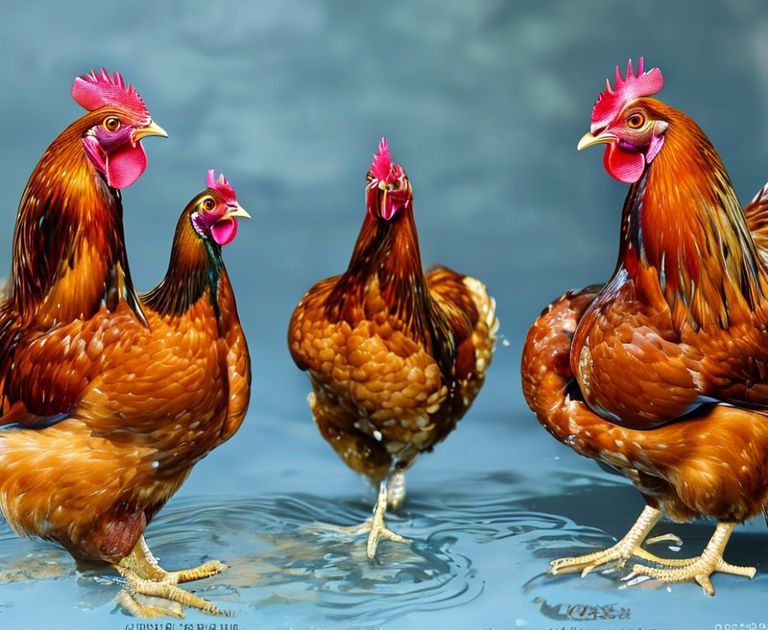
Key Symptoms of Water Belly
Physical Signs
- Distended, fluid-filled abdomen (feels soft and squishy)
- Reddened skin on belly with missing feathers
- Blue-tinged comb and wattles (from oxygen deprivation)
Behavioral Changes
- Waddling gait or difficulty walking
- Lethargy and reduced activity
- Labored breathing (panting even in cool temperatures)
- Loss of appetite and slowed growth
Primary Causes of Ascites
1. Rapid Growth Rates
Fast-growing broiler breeds often develop heart and lung systems that can’t keep pace with their body growth. This strains the cardiovascular system, leading to fluid leakage.
2. High Altitude Living
At elevations above 3,000 feet, reduced oxygen levels force chickens’ hearts to work harder. This extra stress can trigger ascites. If you live in mountainous areas, consider cooling strategies to reduce additional stress.
3. Respiratory Diseases
Chronic respiratory issues damage lung capacity, creating similar oxygen deprivation as high altitudes. Common culprits include mycoplasma and infectious bronchitis.
4. Environmental Factors
Poor ventilation, moldy feed, or contaminated water sources can all contribute. One study found that ammonia levels above 25 ppm significantly increase ascites risk.
Treatment Options for Water Belly
1. Fluid Drainage (Advanced)
Some owners carefully drain fluid using sterile techniques, but this requires veterinary guidance. Improper drainage can introduce infection.
2. Epsom Salt Soaks
Adding Epsom salts (1 cup per gallon) to drinking water may help reduce fluid retention. Limit to 3-day treatments with fresh water available.
3. Dietary Adjustments
- Reduce protein to 18-20% for adult birds
- Supplement with vitamin E (300 IU/kg feed) and selenium
- Add electrolyte solutions to water
4. Environmental Management
Improve coop ventilation and reduce dust. Consider relocating affected birds to a quiet, low-stress area.
Prevention Strategies
Breed Selection
Choose slower-growing heritage breeds if ascites is recurring in your flock. Some options include:
| Breed | Growth Rate | Ascites Risk |
|---|---|---|
| Cornish Cross | Fast (6-8 weeks) | High |
| Rhode Island Red | Moderate (16-20 weeks) | Low |
Feeding Practices
- Implement restricted feeding for broilers after 3 weeks
- Use larger feed particles to slow consumption
- Provide multiple feeding stations to reduce competition
Health Monitoring
Regularly check for early signs like slight abdominal swelling or reduced activity. Isolate affected birds promptly to monitor their condition.
When to Consider Euthanasia
If a chicken shows:
- Complete loss of appetite for 48+ hours
- Severe breathing difficulty
- Inability to stand or walk
It may be most humane to cull. As one farmer noted: “The hardest part of raising chickens is knowing when to let go.”
Long-Term Flock Management
For chronic ascites issues, evaluate your entire operation:
- Test water quality annually
- Upgrade ventilation systems
- Work with a poultry nutritionist on feed formulations
- Keep detailed health records to identify patterns
While water belly remains challenging to treat, these comprehensive strategies can help reduce incidence and improve outcomes in affected birds.
