
To make chickens like you, spend time with them daily, offer treats, speak softly, and ensure their environment is safe and comfortable.
Building trust with chickens takes patience and the right approach. Whether you’re raising chicks or adult birds, these expert techniques will help your flock see you as a friend rather than a threat.
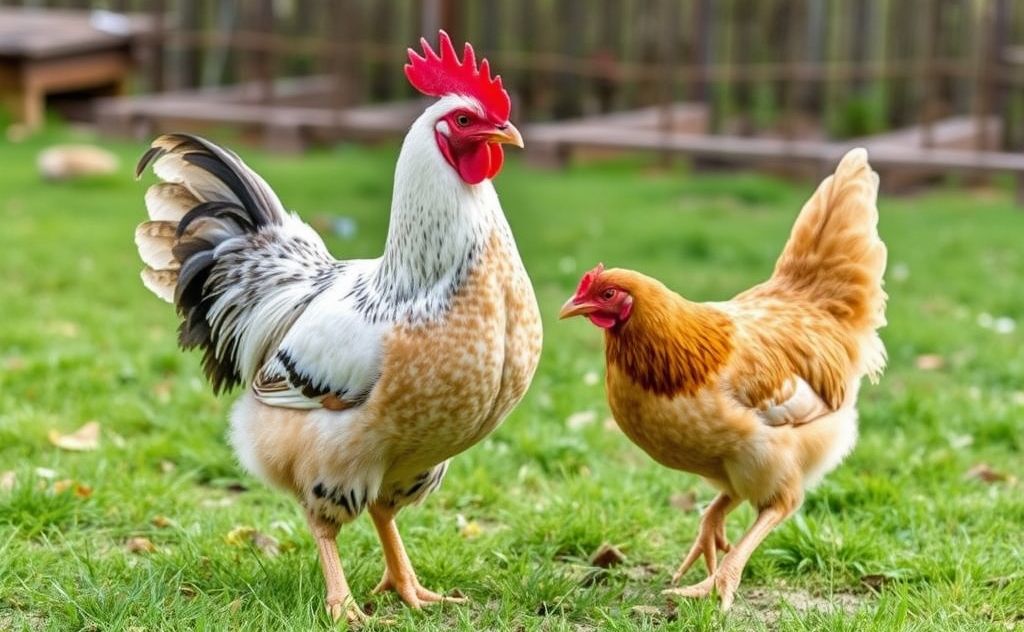
Understand Chicken Behavior First
Chickens are prey animals with strong survival instincts. Quick movements trigger their flight response, while slow, predictable actions build trust. According to Acreage Life, breeds like Barred Rocks tend to be friendlier than crested varieties like Polish or Silkies.
Breed Matters
- Friendly breeds: Barred Rocks, Orpingtons, Rhode Island Reds
- Flighty breeds: Polish, Silkies, Leghorns

7 Steps to Win Your Chickens’ Trust
1. Become the Treat Dispenser
Chickens associate food with safety. Offer high-value treats like:
| Treat | Benefits |
|---|---|
| Mealworms | High protein favorite |
| Scratch grains | Great for training |
| Chopped greens | Healthy snack |
2. Use Strategic Positioning
Sit at their level to appear less threatening. As noted in our guide on training chickens to be picked up, ground-level interaction builds confidence faster than looming over them.
3. Create a Routine
Chickens thrive on predictability:
- Use the same call when bringing treats
- Visit at consistent times daily
- Wear similar clothing colors
4. Master the Art of Non-Threatening Presence
Spend 15-30 minutes daily sitting quietly with your flock. Bring a book and let them approach you. This technique works especially well when introducing chickens to new environments.
5. Handle Chicks Properly
Start with baby chicks by:
- Offering treats from your open palm
- Handling gently for short periods
- Never grabbing suddenly from above
6. Read Their Body Language
Signs a chicken is comfortable:
- Preening near you
- Closing eyes partially
- Roosting on your lap
7. Be Patient With Rescues
According to Grubbly Farms, rescued hens may take months to trust humans. Move slowly and let them set the pace of interaction.
Troubleshooting Common Issues
Chickens Running Away
If your flock flees when you approach:
- Wear the same jacket/hat consistently
- Approach while scattering treats
- Kneel down to appear smaller
Aggressive Roosters
Some roosters become territorial. Manage behavior by:
- Using a rake to gently redirect attacks
- Never turning your back on an aggressive bird
- Considering rehoming if behavior persists
Advanced Bonding Techniques
Target Training
Teach chickens to touch a stick for treats. This builds positive associations and can help with coop movements.
Free-Range Bonding
Spend time with your flock during their outdoor explorations. They’ll associate you with freedom and fun.
Voice Recognition
Develop a specific call when bringing treats. Over time, they’ll come running at the sound.
Building chicken trust takes weeks or months, but the rewards of a friendly flock are worth the effort. Consistent, gentle interactions will transform even the most skittish birds into curious companions.
