
Bantam chickens typically start laying eggs around 5 to 6 months of age, depending on the breed and individual health conditions.
Bantam chickens typically start laying eggs between 5-6 months of age, though some breeds may take slightly longer. These miniature chickens offer all the charm of standard hens in a compact package, but their egg-laying patterns have unique characteristics every poultry keeper should understand.
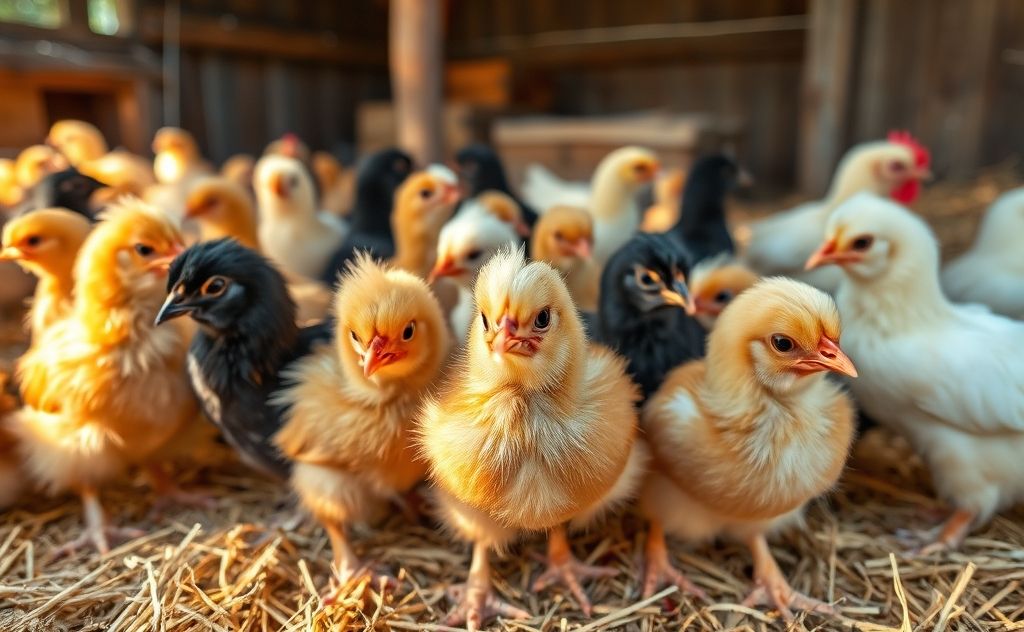
Bantam Chicken Egg Laying Timeline
Most bantam breeds follow this general development schedule:
| Age | Development Stage |
|---|---|
| 0-8 weeks | Chick phase (require brooder care) |
| 8-16 weeks | Adolescent growth period |
| 20-24 weeks | Typical laying begins (5-6 months) |
| 28+ weeks | Full production (if not broody) |
Factors Affecting First Egg
Several elements influence when your bantams will start laying:
- Breed differences: Cochins and Silkies often start later (6-7 months)
- Season: Pullets maturing in winter may delay laying until spring
- Diet: Proper nutrition with 16-18% protein supports timely development
- Light exposure: 14+ hours of daylight stimulates egg production
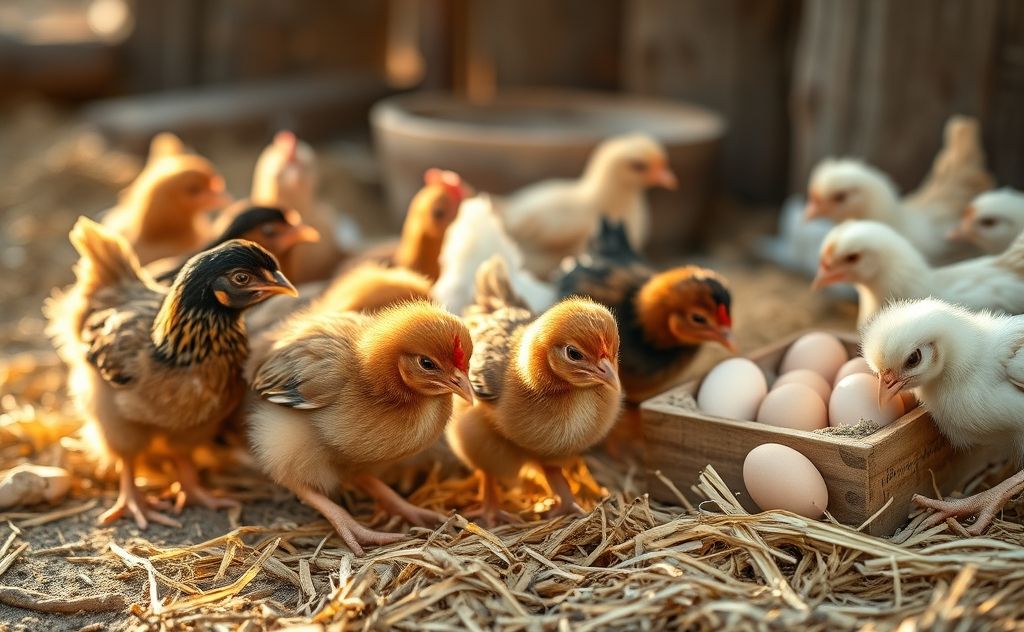
Bantam Egg Production Characteristics
While bantams lay smaller eggs (about half the size of standard eggs), they have distinct laying patterns:
Egg Quantity and Size
Expect 3-4 small eggs per week from most bantam hens during peak production. The eggs are perfectly proportioned – just miniature versions of regular chicken eggs. Some popular bantam breeds and their egg colors include:
- Dutch Bantams: Cream/tinted
- Sebrights: White
- Cochins: Brown
- Seramas: Tiny cream eggs
For comparison with other breeds, see our guide on what color eggs Blue Plymouth Rock chickens lay.
Broodiness Tendencies
Many bantam breeds are notoriously broody. A broody hen will:
- Stop laying eggs
- Protect the nest aggressively
- May sit on empty nests for weeks
As noted in our source material, bantam Cochins are especially prone to broodiness, sometimes going broody after laying just 5 eggs. This behavior can significantly reduce overall egg production.
Encouraging Egg Production
To help your bantams become reliable layers:
Proper Nutrition
Feed bantams a high-quality layer feed with:
- 16-18% protein
- Added calcium (for strong shells)
- Limited treats (no more than 10% of diet)
Optimal Housing
Bantams need:
- 1 sq ft of coop space per bird
- Nesting boxes (one per 4-5 hens)
- Proper roosts (they prefer higher perches)
Learn more about coop size requirements for chickens to ensure proper space.
Light Management
Supplemental lighting in winter can maintain production when days are short. Add 1-2 hours of light in morning/evening to reach 14 total hours of light.
Troubleshooting Laying Issues
If your bantams aren’t laying when expected:
- Check age: Some breeds mature slower
- Watch for broodiness: Remove broody hens from nests
- Evaluate diet: Ensure proper nutrition
- Monitor health: Look for parasites or illness
For more on chicken behavior, see our article on why chickens peck holes in their eggs.
Bantam vs. Standard Chicken Egg Production
Key differences between bantam and standard egg layers:
| Factor | Bantams | Standard Chickens |
|---|---|---|
| Age at first egg | 5-7 months | 5-6 months |
| Egg size | Small (1-1.5 oz) | Large (2+ oz) |
| Annual production | 150-200 eggs | 200-300 eggs |
| Broodiness | Very common | Breed-dependent |
While bantams may produce fewer eggs, their small size makes them ideal for urban flocks or those with limited space. Their eggs are perfect for baking or single servings, and many owners find their charming personalities outweigh any reduction in production.
For more information on chicken care, check out this comprehensive bantam chicken guide or this Backyard Chickens forum discussion on bantam laying patterns.