
When to Switch Chickens to Layer Feed for Best Egg Production
Feed chickens layer feed starting at around 18 weeks of age to ensure optimal egg production and health as they reach maturity.
Transitioning chickens to layer feed at the right time is crucial for egg production and hen health. The ideal time to switch is at 18 weeks of age or when the first egg appears. Layer feed contains higher calcium levels needed for strong eggshells and proper nutrition for laying hens.

Why Timing Matters for Layer Feed
Chickens have different nutritional needs at various life stages. Starter/grower feeds contain 18-20% protein to support growth, while layer feeds have 16-18% protein with increased calcium (3-4%). Switching too early can cause kidney damage from excess calcium, while switching too late may lead to weak eggshells.
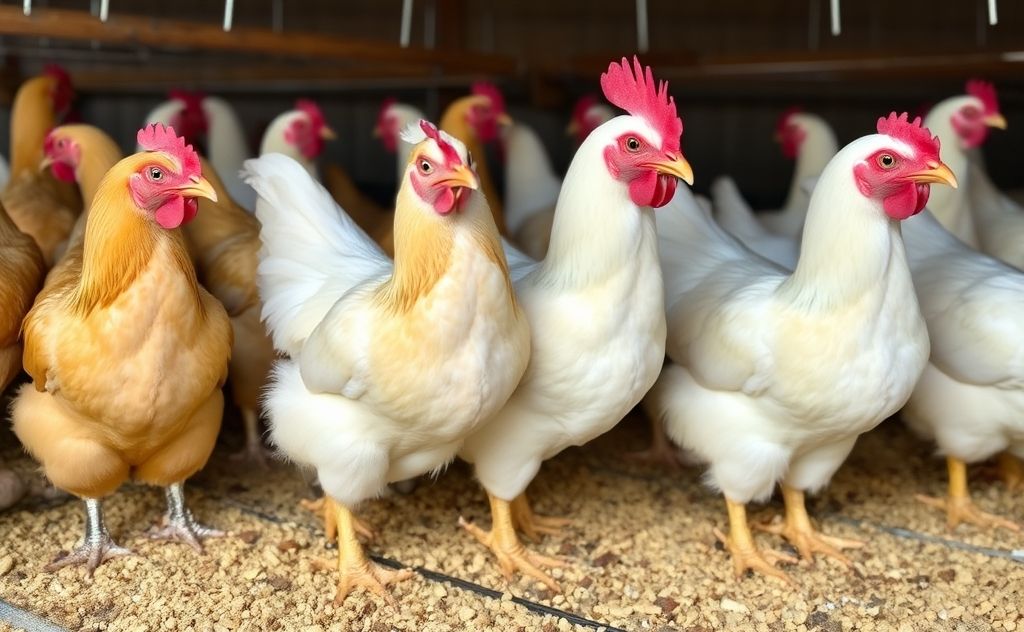
Key Transition Signs
- Reddening combs and wattles
- Squatting behavior when approached
- Exploring nesting boxes
- First eggs appearing
How to Transition to Layer Feed
The switch should be gradual over 7-10 days to prevent digestive upset. Follow this simple transition schedule:
| Days | Starter/Grower | Layer Feed |
|---|---|---|
| 1-3 | 75% | 25% |
| 4-6 | 50% | 50% |
| 7-10 | 25% | 75% |
| After 10 | 0% | 100% |
Alternative Feeding Approach
Some chicken keepers prefer keeping hens on starter/grower feed and offering oyster shell separately. This allows hens to self-regulate calcium intake. If you choose this method, ensure your feed is unmedicated and provide oyster shell in a separate container.
Layer Feed Options Compared
Not all layer feeds are equal. Here are key features to consider:
- Complete nutrition: Should contain all necessary vitamins and minerals
- Calcium content: 3-4% calcium for strong eggshells
- Protein level: 16-18% protein for maintenance
- Added benefits: Some include omega-3s or probiotics
According to Purina Poultry Nutrition, their layer feeds include Oyster Strong System for optimal calcium absorption.
Common Transition Questions
What If My Chickens Start Laying Early?
Some breeds like Leghorns may start laying as early as 16 weeks. In this case, begin the transition immediately. Check our guide on when different breeds start laying for more details.
Can I Use Layer Feed for Mixed Flocks?
For flocks with non-laying birds, consider a flock raiser feed with separate oyster shell for layers. The extra calcium in layer feed can harm young chickens and roosters.
Supplementing Layer Feed
Even with complete layer feed, some supplements can boost health:
- Grit: Essential for digestion (learn when to feed chickens grit)
- Oyster shell: Extra calcium source
- Probiotics: Support gut health
- Greens: Provide vitamins and enrichment
Research from Backyard Chickens shows that proper nutrition can increase egg production by up to 20%.
Troubleshooting Layer Feed Issues
Hens Not Eating New Feed
If chickens resist the new feed, try mixing in treats or moistening with water. The transition may take longer for some flocks.
Soft Eggshells
This indicates calcium deficiency. Ensure your layer feed contains at least 3% calcium and provide oyster shell free-choice.
Excessive Weight Gain
Some hens may gain weight on layer feed. Limit treats and ensure they have adequate space to exercise. Free-ranging can help maintain healthy weight.
Long-Term Layer Feed Management
Once established on layer feed, maintain consistent feeding practices:
- Provide fresh feed daily
- Store feed in airtight containers
- Monitor consumption rates
- Adjust amounts seasonally (hens eat more in cold weather)
Proper feeding leads to consistent egg production and healthy hens. The transition to layer feed is one of the most important nutritional changes in a chicken’s life.
