
Where Do Chickens Sleep in the Coop? Roosting Secrets Revealed
Chickens sleep in a coop on perches or roosts, elevated off the ground to provide safety and comfort from predators and to keep them warm at night.
Chickens instinctively seek elevated roosting spots inside their coop at night. Unlike wild birds that nest in trees, domestic chickens rely on carefully designed roosts to stay safe, warm, and comfortable after dark. Understanding their sleeping habits is crucial for any backyard chicken keeper.
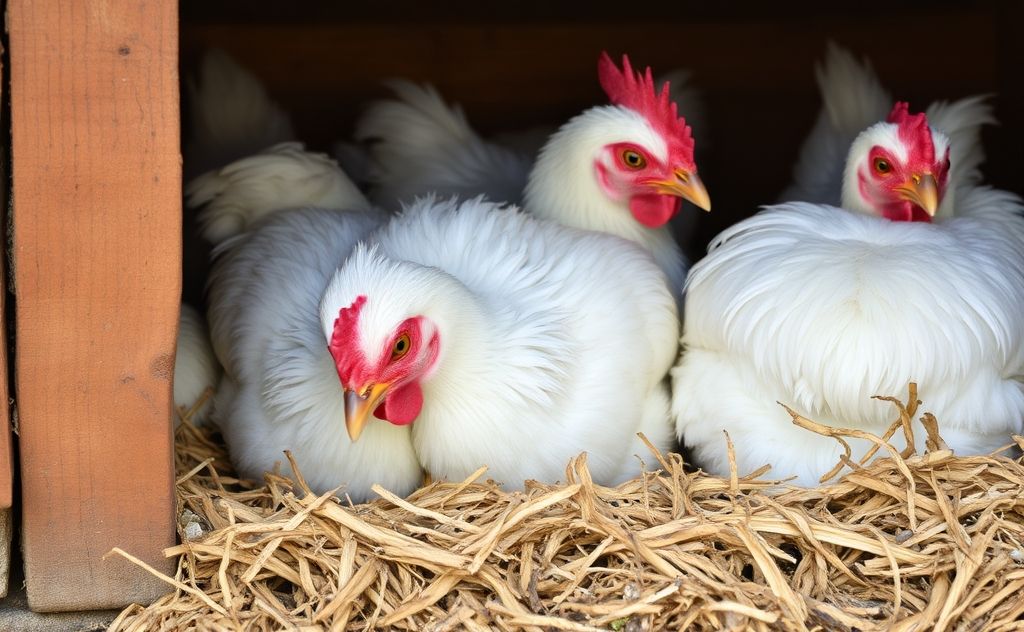
Why Roosting Bars Are Essential for Chicken Sleep
Chickens prefer sleeping on roosts rather than nesting boxes or coop floors. This behavior stems from their wild ancestors who slept in trees to avoid predators. Modern coops replicate this instinct with roosting bars.
The Problem With Round Roosts
Many chicken owners make the mistake of using broom handles or dowels as roosts. These round surfaces force chickens to grip tightly all night, leading to:
- Foot deformities and bumblefoot
- Keel bone damage from uneven weight distribution
- Poor sleep quality from constant balancing
Ideal Roost Design
Scientific research shows chickens need:
| Feature | Recommendation |
|---|---|
| Shape | 2×4 lumber with rounded edges (wide side up) |
| Width | At least 5cm diameter for standard breeds |
| Height | No more than 1 meter above ground |
| Space per bird | Minimum 14cm width per chicken |

Chicken Sleeping Behavior Explained
Chickens have unique sleep patterns that differ from mammals. Understanding these helps create better coop environments.
Sleep Cycles
Chickens experience both REM and non-REM sleep. During REM sleep, you might notice:
- Twitching wings or feet
- Soft vocalizations
- Head tucking under wings
Unihemispheric Sleep
Chickens can sleep with one eye open thanks to their amazing brain structure. Each eye connects to the opposite brain hemisphere, allowing:
- One side of the brain to rest
- Constant predator awareness
- Quick awakening if threatened
This explains why chickens often seem to watch you even while sleeping. For more on chicken behavior, see our guide on why chickens follow their owners.
Creating the Perfect Sleeping Environment
Roost Placement
Proper roost positioning prevents injuries and stress:
- Place roosts higher than nesting boxes (chickens won’t sleep where they poop)
- Include multiple roost levels with 30-45cm between bars
- Ensure easy access with “ladder” style ascending roosts
Temperature Considerations
Chickens fluff their feathers to trap warm air in winter. In summer, they spread wings to cool down. Help them sleep comfortably by:
- Providing adequate ventilation without drafts
- Using wider roosts in cold climates (helps cover feet with belly feathers)
- Avoiding artificial light that disrupts natural sleep cycles
For more on seasonal care, check our article about cold weather chicken care.
Training Chickens to Use Roosts
New chickens or chicks often need guidance to develop proper roosting habits. Follow this proven three-week method:
Week 1: Confinement
Keep chickens locked in the coop with roosts as their only sleeping option. This establishes the coop as “home.”
Week 2: Controlled Exploration
Allow limited run access during day but ensure they return to roosts at night. According to poultry behavior experts, chickens naturally seek shelter at dusk.
Week 3: Free Range Introduction
Begin supervised free-ranging, always closing the coop at night. Most chickens will return independently as their internal clock tells them when to roost.
Common Roosting Problems and Solutions
Chickens Sleeping in Nesting Boxes
This messy habit can be corrected by:
- Blocking boxes at night
- Ensuring roosts are higher than nesting areas
- Providing enough roost space for all birds
Bullying on the Roost
Dominance issues often appear at bedtime. Solutions include:
- Adding multiple roost bars at equal heights
- Providing extra space (up to 30cm per bird)
- Using wider roosts to prevent pushing
For persistent pecking issues, see our guide on stopping chicken pecking behavior.
Special Considerations for Different Chicken Types
Heavy Breeds
Large chickens like Orpingtons need:
- Extra-wide roosts (up to 10cm)
- Lower roost heights (60cm max)
- Sturdy construction to support weight
Bantams and Small Breeds
Petite chickens prefer:
- Thinner roosts (3-4cm)
- Closer bar spacing (20-30cm)
- Options for higher perches
Elderly or Injured Birds
Special needs chickens may require:
- Ramped access to roosts
- Lower sleeping platforms
- Extra padding below roosts
As research from poultry scientists shows, proper roost design significantly impacts chicken health and productivity. By understanding where and how chickens prefer to sleep, you can create a coop environment that keeps your flock safe, comfortable, and well-rested year-round.
