
Why Do My Chicken Egg Yolks Break So Easily?
You crack an egg into the pan, and the yolk bursts on contact. Or you gently try to separate the white, and the yolk splits right in your hand. It’s frustrating, especially when you’re making something that depends on a perfect, intact yolk.
Most people assume the egg was just old or the hen was unhealthy. But the truth is more specific. Broken yolks come from a handful of distinct causes, each with its own fix. This guide walks through each stage—the hen, the storage, and the cooking—so you can pinpoint exactly where your process goes wrong and correct it.
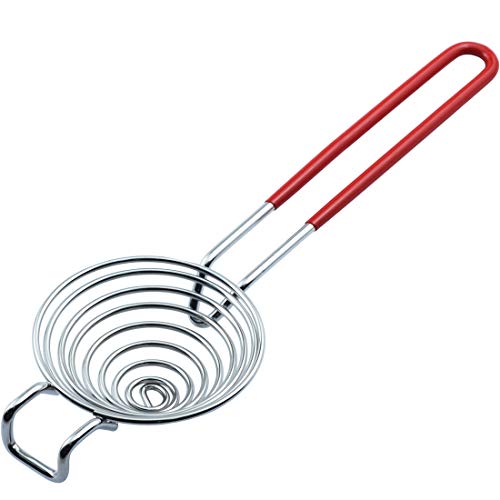
CAMKYDE
CAMKYDE Egg Separator Food Grade Stainless Steel…
- TOP PREMIUM VERY STURDY & DURABILITY STAINLESS STEEL EGG SEPARATOR. Our egg strainer is made of food grade stainless steel. We are…
- INSTANTLY FILTER EGG YOLKS. The spiral structure of the egg divider allows the egg white to be filtered instantly. The spring coil…
- MORE SAFE AND EFFICIENT. If you have used other egg extractor, then you must know that egg whites are difficult to filter and you…
If you’re tired of fishing yolk fragments out of your whites, a simple tool can help. The CAMKYDE Egg Separator uses a stainless steel spiral coil that lets the white drain through while cradling the yolk safely. It removes the guesswork from the most delicate step.
The Anatomy of a Yolk: Why the Membrane Matters
The yolk is wrapped in a thin, transparent layer called the vitelline membrane. This membrane is the only thing holding the yolk together. When it tears, you get a broken yolk.
The membrane has two layers. The inner layer is strong and elastic. The outer layer is thinner and more fragile. Between them sits a fluid that allows the layers to shift slightly.
This membrane isn’t static. It weakens over time. Fresh eggs have tight, resilient membranes. As the egg ages, the membrane stretches and loses its elasticity. The yolk also absorbs water from the white, swelling and putting more pressure on the membrane from the inside.
The chalaza is the other key structure. Those cloudy, rope-like strands you see anchoring the yolk to the shell are the chalaza. They keep the yolk centered. In fresh eggs, the chalaza is thick and strong. In older eggs, it degrades and loosens, letting the yolk drift closer to the shell where it’s more likely to get hit during cracking.
The Two Breakage Scenarios: At the Shell vs. In the Pan
There’s a big difference between a yolk that breaks when you crack the shell and one that breaks during cooking. These are separate problems with separate solutions.
Scenario 1: Breaks at the shell. This happens the second you crack the egg. The shell fragment or your thumb presses too hard, or the membrane is already so weak that the pressure of opening the shell is enough to burst it. This is usually a freshness or handling problem.
This article is part of our bigger Backyard Chicken Problem Solver: Predators, Health, Heat & Processing hub.
Scenario 2: Breaks in the pan. The yolk survives the crack but splits as soon as it hits the hot pan. This is often a temperature or cushioning problem. The yolk falls, hits a hot, dry surface, and the membrane sears and tears on contact.
Knowing which scenario you’re dealing with narrows down the cause immediately.
Why Your Yolks Break: 7 Scientific and Practical Reasons
Egg Age and the Weakening Membrane
Age is the biggest factor. A farm-fresh egg has a thick, strong vitelline membrane. An egg that’s three weeks old has a membrane that’s noticeably thinner and more fragile.
As the egg sits, carbon dioxide escapes through the shell’s pores. This raises the pH of the white, which breaks down the proteins that give the membrane its strength. The yolk also absorbs water from the white, swelling and stretching the membrane thin.
If your yolks break often, check the pack date on the carton. Eggs stored in the refrigerator for a month will behave very differently than eggs collected from the coop that morning.
Temperature Shock and the ‘Thermal Stress’ Factor
Cold eggs are brittle. When you crack a cold egg, the membrane is stiff and less forgiving. It’s more likely to tear under pressure.
Temperature shock makes it worse. If you take eggs straight from the fridge and plunge them into hot water for poaching, the rapid temperature change stresses the membrane. The yolk expands faster than the membrane can stretch, causing it to burst.
This is why many recipes call for room temperature eggs. Letting an egg sit on the counter for 15 minutes before cooking allows the membrane to relax and become more elastic.
The Hen’s Diet, Stress, and Breed Genetics
If you raise your own chickens, you have more control here. A hen’s diet directly impacts egg quality. Hens lacking in certain nutrients produce eggs with weaker membranes.
Vitamin E and Selenium are critical. Both are antioxidants that help the hen produce stronger structural proteins. Omega-3 fatty acids also play a role in membrane integrity. A diet heavy in grains but low in greens or commercial layer feed often produces weaker eggs.
Stress also matters. A hen that’s overheated, frightened, or fighting with flockmates releases cortisol. This stress hormone interferes with egg formation, leading to thinner shells and weaker membranes. Certain breeds, like Leghorns, are naturally flightier and more prone to stress-related egg issues than calm breeds like Orpingtons.
Handling, Storage, and the Missing Chalaza
How you store eggs matters. Eggs stored pointy-side down keep the yolk centered, away from the air cell. This reduces the chance of the yolk sticking to the shell membrane, which can cause it to tear when you crack the egg.
Rough handling is another culprit. Slamming the carton on the counter or shaking it vigorously can rupture the chalaza. Once that anchor is broken, the yolk floats freely and is more likely to hit the shell when you crack it.
Be gentle with your eggs. Treat them like they’re fragile, because the internal structures are.
The ‘Watery White’ Cushion Problem
Egg whites have two parts: the thick white and the thin white. Fresh eggs have a high proportion of thick white, which acts as a cushion. It holds the yolk in place and absorbs the impact when the egg hits the pan.
Older eggs have more thin, watery white. The thick white breaks down over time, turning into thin white. This means the yolk has less protection. When you drop it into a pan, it hits hard with nothing to soften the landing.
You can see this clearly when you crack an egg onto a flat plate. A fresh egg stands tall with a firm white. An old egg spreads out flat with a runny white and a yolk that sits right against the plate.
Cooking Techniques: Heat, Acid, and Salt
The way you cook eggs affects the membrane. High heat is the enemy. A screaming-hot pan will sear the yolk on contact, causing the membrane to contract and tear.
Acid helps. Adding a splash of vinegar to poaching water helps the white set faster, which protects the yolk. The acid slightly denatures the proteins, making them firm up quicker.
Salt is a different story. Salting eggs before cooking draws moisture out of the yolk through osmosis. This weakens the membrane and makes it more prone to breaking. Salt your eggs after they’re cooked, or just before serving, to keep the yolks intact.
How to Prevent Broken Yolks (Step-by-Step Fixes)
Selection and Storage Strategies
Start with the freshest eggs you can find. If you buy from a store, check the pack date. Eggs are good for weeks, but for cooking purposes, fresher is always better.
Store eggs in the main body of the refrigerator, not the door. The door is the warmest part of the fridge and experiences temperature swings every time you open it. The main shelves keep a more consistent temperature.
Keep eggs pointy-side down. This keeps the yolk centered and the chalaza intact.
Cracking and Separating Like a Pro
Crack eggs on a flat surface, not the edge of a bowl. Cracking on a flat surface creates a clean, single crack. Cracking on the edge pushes shell fragments inward, which can cut the yolk.
Use both thumbs to gently pull the shell apart. Open it slowly and let the egg fall naturally. Don’t squeeze.
For separating, use your hands or a tool. The egg separator tool is faster and cleaner. The spiral design lets the white flow through while the yolk sits safely on top. It hooks onto any bowl, so you don’t have to hold it.
Cooking Methods for Delicate Yolks
For frying, use medium-low heat. Melt butter in the pan and wait until it’s foamy but not brown. Slide the egg in gently. The butter acts as a cushion between the yolk and the pan.
For poaching, add a teaspoon of vinegar to the water. Bring it to a gentle simmer, not a rolling boil. Create a whirlpool with a spoon, then slide the egg into the center. The swirling water wraps the white around the yolk, protecting it.
For baking, always crack eggs into a small bowl first, then add them to the mix. This way, if one yolk breaks, you haven’t ruined the whole batch.
For Backyard Flock Owners: Strengthening Yolks from the Source
If you keep chickens, you can improve egg quality from the hen’s side. This is where you have the most control.
Feed a balanced layer feed. This is non-negotiable. Layer feed is formulated with the right calcium and protein levels for egg production.
Add a calcium supplement, like oyster shell, in a separate feeder. Hens will consume what they need. Stronger shells mean less stress on the egg during laying and handling.
Consider a feed additive with Vitamin E and Selenium. These nutrients directly support membrane strength. Look for a supplement that lists both, and follow the dosage on the label.
Reduce stress in the coop. Provide shade in summer, shelter from wind in winter, and enough space to prevent bullying. A calm hen lays better eggs.
If you’re dealing with consistent breakage, check your flock’s diet first. It’s the most common fix for backyard keepers. You can also check our guide on why chicken eggs come out soft for related shell issues.
The Bottom Line: When to Worry vs. When to Adapt
Most broken yolks are a normal part of cooking. Eggs age, membranes weaken, and accidents happen. It’s not a health risk. A broken yolk cooks fine, though it looks less pretty.
Worry only if you see a pattern. If every single egg from your flock has a broken yolk, or if the yolks are pale and watery, that’s a sign of a nutritional deficiency or illness in the hen. A vet or an experienced poultry keeper can help.
If you’re buying eggs from the store, the fix is usually simpler. Buy fresher eggs, handle them gently, and adjust your cooking technique. Small changes make a big difference.
Frequently Asked Questions
Does cracking an egg on the edge of a bowl cause broken yolks?
Yes. Cracking on the edge pushes shell fragments inward. These sharp pieces can cut the yolk as they pass through. Always crack on a flat, clean surface for a cleaner break.
Can I fix a broken yolk once it’s in the pan?
No, you can’t repair the membrane. But you can still use the egg. Scrambled eggs, omelets, and baking recipes don’t require intact yolks. Save the perfectly intact ones for frying and poaching.
Are brown eggs stronger than white eggs?
No. Shell color is determined by the hen’s breed and has nothing to do with shell thickness or membrane strength. A brown egg from a stressed hen is just as fragile as a white one.
Why do my yolks break when I boil eggs?
Boiling eggs can cause the yolk to break if the eggs are too fresh or if you drop them into boiling water. Fresh eggs have a small air cell that expands rapidly when heated, cracking the shell. Use eggs that are a week old for boiling and start them in cold water.
Does adding salt to poaching water help keep yolks intact?
Salt actually has the opposite effect. It can make the white more watery. Use vinegar instead. The acid helps the white set quickly, which protects the yolk during cooking.
Quick Fixes to Remember
- Buy the freshest eggs you can find; check the pack date before you buy.
- Store eggs pointy-side down in the main fridge, not the door.
- Crack eggs on a flat surface, not the bowl’s edge.
- Let cold eggs sit at room temperature for 15 minutes before cooking.
- Use medium-low heat for fried eggs and a splash of vinegar for poaching.
- Salt eggs after cooking, not before.
- For flock owners, supplement with Vitamin E, Selenium, and oyster shell.
If you’re dealing with hens that are destroying their own eggs, that’s a different problem entirely. Read our article on why chickens break their eggs to address that behavior. And for more on the egg-laying process itself, check out the chicken lifecycle guide.
