How Mother Birds Feed Their Baby Chicks
Contents
Watching a mother bird tend to her nest is a quiet miracle. You see the constant trips, the tiny beaks straining upward, but the actual mechanics of bird feeding babies often happen out of sight. It’s a complex, instinct-driven process far more intricate than simply dropping a worm into an open mouth.
From the surprising role of the crop to the production of special “milk,” avian parenting is a masterclass in biology. Understanding how baby birds eat not only satisfies curiosity but is vital if you ever encounter a chick out of its nest. For those caring for orphaned birds under expert guidance, having the right tools is key. Many wildlife rehabilitators recommend specialized equipment like the FULAIERGD 20ML Baby syringe for precise, safe feeding.
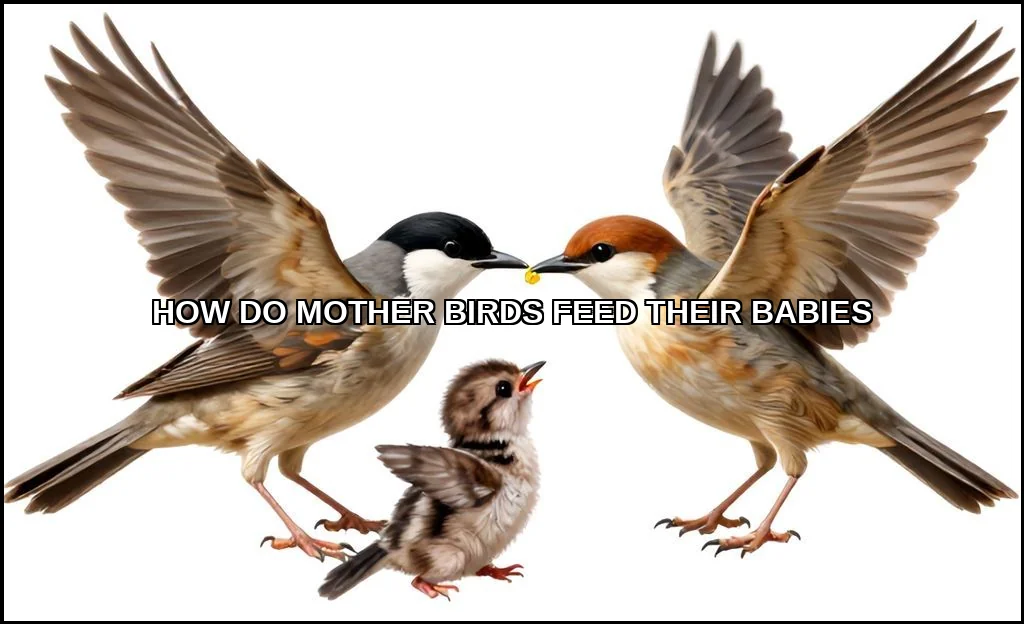
How Mother Birds Actually Feed Their Babies
The primary method is regurgitation. This isn’t a sign of sickness; it’s a controlled, vital process. The parent bird feeding its young will first forage and swallow food itself. This food travels to the crop, a stretchy pouch in the esophagus where initial softening begins.
Back at the nest, the parent stimulates the chick’s beak. The chick’s pecking or gaping triggers a reflex. The adult then brings up the softened, partially digested food from its crop. The nestling reaches deep into the parent’s throat to receive this nutritious paste. This intimate transfer ensures the food is manageable for the chick’s developing system.
But it’s not just about mechanics. Digestive enzymes in the parent’s crop begin breaking down proteins, making nutrients more accessible. This pre-digestion is especially critical for newborn chicks with immature guts. The process varies slightly; raptors like hawks will tear small pieces of meat, while many songbirds rely on a steady supply of insects.
The Role of the Crop and How ‘Crop Milk’ Works
The crop is the unsung hero of avian childcare. Think of it as a temporary lunchbox and a biochemical kitchen. In most birds, it simply stores and softens food. But in some species, it transforms into a mammary gland analog.
Pigeons and doves are famous for producing “crop milk.” This isn’t milk in the mammalian sense. It’s a nutrient-rich, cheeselike substance sloughed off from the lining of the crop. Both parents produce it, packed with fat, protein, and antibodies. It’s the sole food for their squabs (chicks) for the first few days of life. This highlights a key missing entity: the role of the father bird. In many species, from robins to eagles, fathers are equally involved in foraging and feeding, shattering the “mother-only” myth.
What Do Baby Birds Eat? Diet Variations by Species
So, what do nestlings eat? The menu is entirely species-specific and shifts as they grow. The general rule: high protein is non-negotiable for rapid growth.
- Insectivores (Robins, Bluebirds, Warblers): Their chicks live on a slurry of soft-bodied insects worms, caterpillars, and spiders. Parents may remove hard parts like wings before regurgitation.
- Granivores (Finches, Sparrows): Even seed-eating adults switch to insects for their young. They regurgitate a mash of softened seeds and insects, only moving to solid seeds later.
- Raptors (Hawks, Owls): Chicks get regurgitated, then torn meat. The feeding schedule is less frequent but meals are much larger.
- Precocial vs. Altricial: This is a critical distinction. Altricial chicks (like songbirds) are born naked, blind, and helpless, relying completely on regurgitated food. Precocial chicks (like ducks or chickens) are born covered in down, eyes open, and can peck at food shortly after hatching, though parents still guide them.
This diet is why generic bird seed is terrible for a baby bird you might find. Their bodies require the specific nutrients found in their natural diet, something even the best pet bird hand-feeding formula tries to replicate for captive species.
Feeding Frequency: From Hatchlings to Fledglings
How often do mother birds feed their chicks? The answer is: constantly. For the first week, parents of altricial species may make hundreds of trips per day. A nest of hungry songbirds can prompt feeding every 10-20 minutes from dawn until dusk.
This intense feeding frequency birds maintain is tied directly to development.
| Stage | Frequency | Key Developments |
|---|---|---|
| Hatchling (Days 1-3) | Every 10-30 minutes | Eyes closed, minimal movement, totally dependent on crop milk or insect slurry. |
| Nestling (Days 4-12) | Peak frequency, every 15-45 mins | Feathers growing, eyes open, louder begging. Diet shifts to larger prey items. |
| Fledgling (Days 13+) | Less frequent, every 1-2 hours | Leaves nest, follows parents. Still fed via regurgitation but learns to forage. The fledgling stage is a vulnerable learning period. |
This relentless pace is why parent birds are so efficient. It’s also why interference is so damaginga missed hour of feeding can be critical for a tiny nestling.
Nestling vs. Fledgling Care: Knowing the Difference
This distinction is the most important one for humans to learn. A nestling is a mostly naked, clumsy chick that belongs in the nest. A fledgling is feathered, mobile, and on the ground on purposeits parents are nearby, still feeding it as it learns to fly.
This is where well-meaning people often go wrong. Picking up a healthy fledgling is like kidnapping a toddler taking its first wobbly walk. The parents are likely watching, waiting for you to leave. Some species, like the notorious cuckoos, have evolved to exploit this very care system, leaving their eggs for other birds to raise.
What to Do (and Not Do) If You Find a Baby Bird
So, should you feed a baby bird you found? Almost always, no. Your first action should be assessment, not action.
- Identify the Stage: Is it a featherless nestling or a fluffy, mobile fledgling? A fledgling on the ground is usually fine.
- Re-nest if Possible: If it’s a true nestling and the nest is visible and safe, gently place it back. The myth that parents reject human-scented chicks is false.
- Create a Makeshift Nest: If the original nest is destroyed, use a small basket or container with drainage holes, line it with dry grass, and secure it in the tree nearby. Watch from a distance for an hour to see if parents return.
- Call a Professional: If the bird is injured, cold, or truly orphaned (parents confirmed absent for hours), contact a licensed wildlife rehabilitator immediately. They have the proper mealworms, formulas, and expertise.
Never attempt to give it water with an eyedropper (it can inhale it into its lungs) or feed it bread, milk, or whole worms. Their digestive systems can’t handle it. For specific dietary questions, like what to feed in virtual worlds versus reality, always consult an authority guide for accurate species information.
The dance of feeding between parent and chick is a precise, evolved ritual. It hinges on specialized anatomy like the crop, shifts dramatically with species and age, and requires an exhausting parental commitment. Our role as observers is to appreciate this complexity from a respectful distance. When intervention seems necessary, let knowledge, not just kindness, guide your hand. The goal is always to keep wild parents doing how birds regurgitate food to babiesthey are, after all, the ultimate experts.