You hear a clear “hello” from the other room. It’s not a person. It’s your parrot. This ability to mimic human speech is what makes parrots such captivating companions. But have you ever wondered how they do it? It’s a fascinating blend of unique anatomy, sharp intelligence, and complex social behavior.
If you’re curious about the mechanics behind those surprising words, you’re in the right place. We’ll break down the science of vocal learning and the physical tools parrots use. For a fun, interactive way to engage with this concept, many bird enthusiasts enjoy the Talking Macaw Parrot toy. It’s a great demonstration of mimicry that can spark conversations about real bird behavior.
The Physical Anatomy: How Parrots Produce Sound
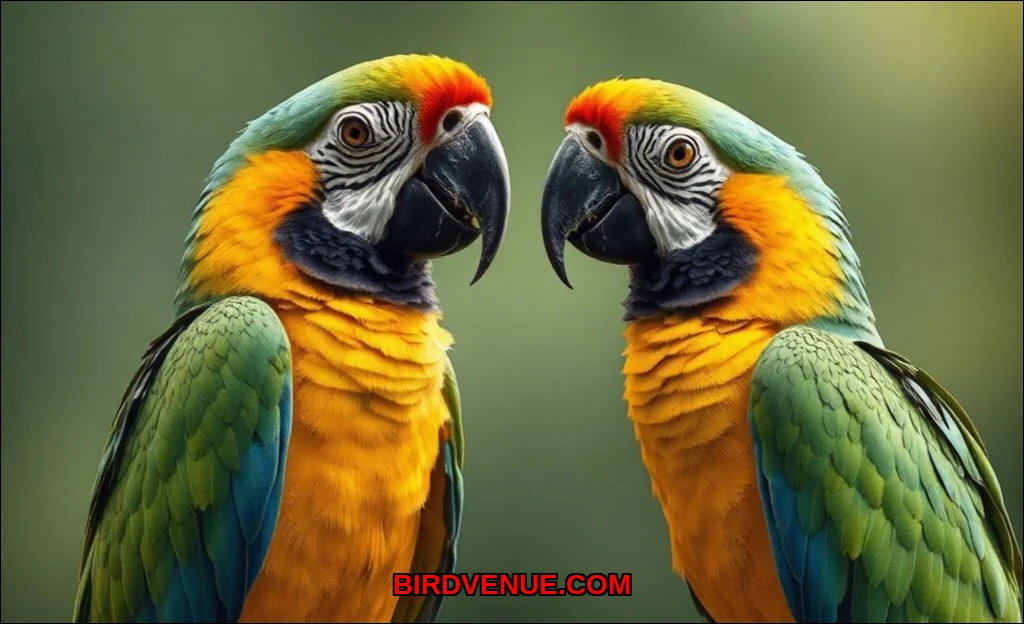
Parrots don’t have vocal cords like humans. Instead, they have a specialized organ called the syrinx. Located where the trachea splits into the two bronchi, this structure is incredibly sophisticated. Muscles control the membranes and cartilage of the syrinx with fine precision, allowing parrots to shape a wide range of sounds.
Think of it as a dual-chambered instrument. A parrot can potentially produce two different sounds simultaneously. This gives them an impressive vocal range. Their tongue also plays a role. While not used for articulation exactly like ours, a parrot’s thick, muscular tongue helps manipulate sounds inside its beak. This combination is key to the parrot talking mechanism.
Why Parrots Can, But Other Birds Often Can’t
Many birds have a syrinx. So why can parrots talk but other birds can’t? The difference isn’t just in the hardware. It’s in the brain’s wiring and social needs. Songbirds, like canaries, learn songs but are limited to a specific repertoire. Parrots, along with hummingbirds and mynah birds, are among the few groups capable of true vocal learning. They can hear a sound, remember it, and reproduce it later. This cognitive leap, combined with their complex social structures, drives their mimicry.
The Brain Power: Cognitive Abilities Behind Mimicry
Producing sound is one thing. Choosing to imitate human speech is another. This is where parrot intelligence shines. Parrots have a brain region analogous to the human cerebral cortex, responsible for higher-order thinking. Studies, particularly on African Greys, have shown they can associate words with meanings, count, and even grasp concepts like shape and color.
Their cognitive abilities are linked to their need for social bonding. In the wild, parrots live in dynamic flocks. Mimicking flock mates strengthens social ties and establishes identity. In your home, you become their flock. Their parrot learning behavior is driven by a desire to interact and bond with you. They aren’t just making noise; they’re engaging in a social ritual. For more on the science of this bond, a great resource is this external article on the evolutionary reasons behind parrot vocalization.
The Learning Process: How Parrots Acquire Speech
So, how do parrots mimic human speech? It’s a process of listening, practicing, and reinforcement. Young parrots are the most adept learners, much like human children. At what age do parrots start talking? This varies by species, but many begin experimenting with sounds between 6 months and a year old.
The steps in their vocal learning are intuitive:
- Listening: Your parrot is always listening, especially to sounds that are repeated, emotional, or get a big reaction.
- Practice: You’ll often hear quiet muttering or garbled versions of words first. This is practice, much like a baby babbling.
- Repetition: When they produce a sound that garners your attention (even shocked attention!), they are likely to repeat it.
- Refinement: With more repetition, the pronunciation becomes clearer.
This process underscores why parrots imitate. It’s a powerful tool for getting what they want: your focus, a treat, or inclusion in the “flock” activity. Understanding this can help if you ever need advice on managing wild parrot behavior around your home, as their social nature drives all their actions.
Species Spotlight: Which Parrots Talk Best
All parrots have the potential, but some species are renowned chatterboxes. If you’re asking what is the best parrot species for talking, consider these top contenders. Their abilities are a mix of clarity, vocabulary size, and propensity to mimic.
| Species | Talking Profile | Key Trait |
|---|---|---|
| African Grey Parrot | Exceptional clarity and contextual understanding. Large vocabularies. | Considered the most intellectually advanced; mimics tone and inflection perfectly. |
| Amazon Parrot | Clear, loud voices. Great singers and talkers. | Social and outgoing; often loves to perform. |
| Budgerigar (Budgie) | Can learn large vocabularies, though voice is small and chirpy. | Small size, big talent. The record holder for most words learned is a budgie. |
| Cockatoo | Can learn words, but are better known for sounds and whistles. | Extremely social and emotional; their mimicry is often about connection. |
| Macaw | Can learn words, but may be loud and screechy. Clarity varies. | Size and personality are huge; they mimic for social interaction. |
Remember, individual personality matters immensely. A shy African Grey may talk less than a boisterous Cockatiel. It’s about the individual bond you build. For a deeper dive into the anatomy behind this talent, check out our detailed guide on the science of how parrots talk.
Practical Guide: Tips for Teaching Your Parrot to Talk
Ready to encourage your feathered friend? How to teach my parrot to say words is a common question. Success hinges on patience, consistency, and positivity. You can’t force it, but you can create an ideal learning environment.
Setting the Stage for Success
Your parrot’s environment is crucial. A stressed bird won’t want to learn. Ensure they have a spacious bird cage in a social part of your home, plenty of parrot toys for mental stimulation, and a consistent routine. Training is easiest when your bird is relaxed, curious, and a bit hungry (making training treats more motivating).
A Step-by-Step Training Approach
- Start Simple: Choose one short, clear word. “Hello” or their name is perfect. Say it enthusiastically when you greet them.
- Be Consistent: Repeat the word in the same context every day. Association is key.
- Use Positive Reinforcement: The moment they attempt the sound (even a mumble), immediately reward them with a favorite treat and joyful praise.
- Keep Sessions Short: Five to ten minutes, a few times a day, is far better than one long, frustrating session.
- Involve the Household: Have everyone use the same word to avoid confusing your parrot.
- Add Words Gradually: Only introduce a new word or phrase once the first is mastered.
Never punish a bird for not talking. You’ll only damage trust. The goal is to make bird speech a fun, rewarding game for both of you.
The magic of a talking parrot isn’t in parroting words. It’s in the shared connection it represents. You now know it’s a dance of biologythe specialized syrinxand brainpoweradvanced cognitive abilities and vocal learning. It’s driven by a deep-seated need for social bonding through mimicry. Whether you have a chatty African Grey or a quiet lovebird, understanding this process deepens your appreciation. Your patience and positive interaction are the most powerful tools. They turn simple mimicry into meaningful communication.

