You’ve probably seen the videos. A parrot perfectly mimicking a phrase or even holding a simple conversation. It’s fascinating, but have you ever wondered how parrots learn to talk? It’s more than just a party trick. It’s a complex interplay of specialized anatomy, advanced intelligence, and deep social instinct.
This guide breaks down the science and the practical steps. You’ll learn about the unique vocal organ called the syrinx, the critical stages of vocal learning, and effective methods for teaching your own bird. We’ll also tackle why some parrots never talk and which species are the most gifted mimics.
The Science Behind Parrot Speech: Anatomy and Brain Structure
Parrots don’t have vocal cords like humans. Instead, they produce sound using a specialized organ called the syrinx, located where the trachea splits into the lungs. This complex structure, with its muscles and membranes, gives parrots incredible control over pitch, tone, and volume. It’s the physical hardware that makes their impressive mimicry possible.
But the real magic happens in the brain. Parrots possess a rare trait in the animal kingdom: advanced vocal learning. This means they can hear a sound, remember it, and reproduce it. Scientists have found that parrots have a unique “song system” in their brains, with nested loops of neurons. This structure is thought to be why some species, like the African Grey, can learn hundreds of words and use them contextually. For a deeper dive into the mechanics of sound production, you can explore how parrots physically produce human speech.
This ability isn’t just for show. In the wild, vocal imitation is key to social bonding within the flock. Young parrots learn the local flock’s “dialect” to fit in. Your home becomes their flock, and your words become part of their social vocabulary.
The Role of Avian Intelligence and Flock Dynamics
Parrot speech learning is deeply tied to their cognitive abilities. They aren’t mindlessly repeating sounds. Studies on budgerigar brains and other species show they can associate words with meanings, objects, and actions. This cognitive capacity separates simple mimicry from what appears to be contextual speech.
Competitors often miss a key point: the role of flock dynamics. Parrots are intensely social. Their drive to communicate and bond is the primary engine for vocal learning. When you teach your parrot, you’re essentially engaging in a cross-species flock activity. Ignoring this social need is a common reason training fails.
How Parrots Actually Learn: The Stages of Vocal Development
Parrots don’t start talking overnight. Their learning follows developmental stages, much like a human child. Recognizing these stages helps you set realistic expectations.
- The Sensitive Period: This is a critical window, often between 4 months and one year for many species. During this time, a parrot’s brain is most receptive to learning new sounds. Exposure to varied speech and sounds now has a lasting impact.
- The Babbling Stage: Before clear words, you’ll hear muttering, whistles, and soft practice sounds. This is your parrot experimenting with its syrinx. It’s a positive sign of speech development.
- First Words & Refinement: Clear words or phrases emerge, often attached to a specific context (like “hello” when you enter). With repetition, pronunciation improves.
A common question is, what age do parrots start talking? It varies by species, but for popular talkers like African Greys, first words often appear between 12-18 months. Smaller parakeets might start sooner. Patience during these stages is crucial.
Step-by-Step Guide: How to Teach Your Parrot to Talk
Ready to start? Success hinges on consistency, patience, and understanding your bird’s motivation. Heres a practical method based on positive reinforcement.
1. Set the Stage for Success
Your parrot needs to be comfortable, alert, and undistracted. Choose a quiet time, like early morning or before evening. Ensure they are in a good moodnot hungry, tired, or frightened. Training should always be a positive interaction.
A tool many trainers swear by is a clicker. The sharp, consistent sound marks the exact moment your bird does something right, followed immediately by a treat. For this, the Getting Started Clicker is a simple, effective option to add clarity to your training sessions.
2. Choose Your First Words Wisely
Start with short, clear, high-energy words. “Hello,” “bye-bye,” or your bird’s name are great starters. Use an enthusiastic tone. Parrots are drawn to sounds that are emotionally charged or frequently repeated in their environment.
3. The Repetition and Reward Cycle
- Say the chosen word clearly and with excitement.
- If your parrot makes any attempt at a sound (a chirp, a mumble), immediately use your clicker or say “good!” and offer a tiny, favorite treat.
- Repeat short sessions (5-10 minutes) multiple times a day.
Never punish or show frustration. You’re building trust and associating speech with good things. How long does it take for a parrot to learn to talk? The first word might take weeks or even months. Subsequent words often come faster as they understand the “game.”
4. Advance to Phrases and Context
Once a single word is mastered, add to it. “Hello” can become “Hello, pretty bird.” Always pair words with context. Say “good morning” when you uncover the cage, or “want a nut?” when offering one. This bridges the gap between mimicry and meaningful communication.
Which Parrot Species Talk Best? A Comparative Guide
While individual personality plays a huge role, some species are renowned for their parrot talking ability. Heres a comparative look at popular species.
| Species | Talking Propensity | Clarity & Vocabulary | Notes |
|---|---|---|---|
| African Grey Parrot | Exceptionally High | Excellent clarity, can learn 100s of words, uses context | The gold standard for avian intelligence and speech. Requires immense mental stimulation. |
| Amazon Parrot | Very High | Very clear, loud, and enthusiastic speech | Known for their playful, outgoing personalities. Can be excellent singers too. |
| Budgerigar (Budgie) | High (for small birds) | Good, though often high-pitched. Can learn long phrases. | One of the fastest parrots to learn to talk for their size. A great starter bird for speech. |
| Cockatoo | Moderate to High | Can be clear, but often prefers whistles and sounds | Extremely social and needy. Their talking is often secondary to their demand for attention. |
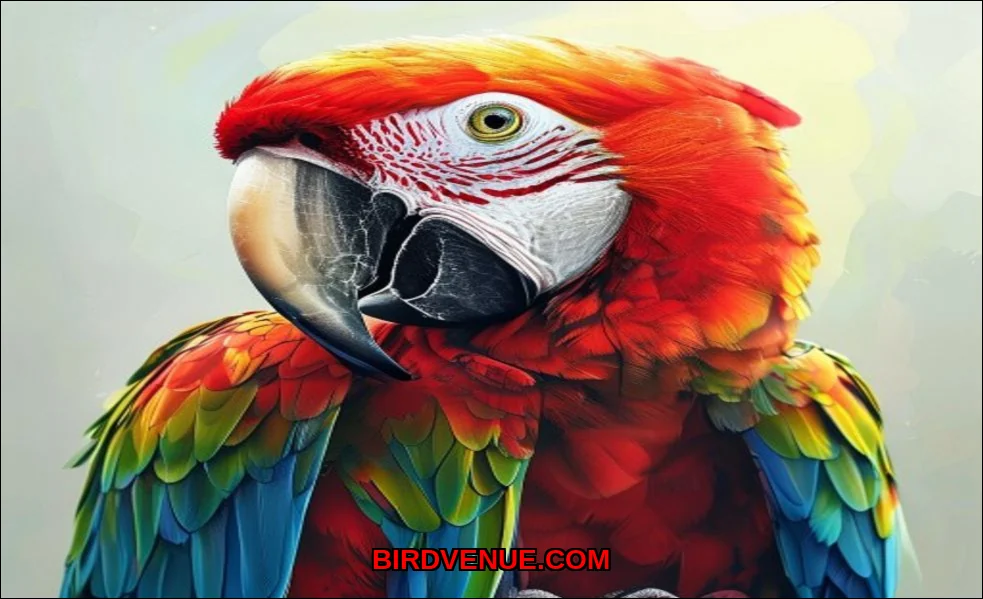
| Macaw | Moderate | Often loud and raspy; better at words than long phrases | Spectacular birds where speech is a bonus, not a primary trait. Focus on their other qualities. |
If you’re asking, what is the easiest parrot to teach to talk? Budgerigars and some Amazon species are often cited for their combination of ability, relative ease of care, and willingness to engage.
Common Myths and FAQs About Parrots and Talking
Let’s clear up some widespread misconceptions.
Myth 1: All Parrots Talk.
False. Even within a species known for talking, some individuals never utter a word. Gender is not a reliable indicator either. It depends on the individual bird’s personality, environment, and how it’s raised. This is a key answer to why do some parrots never talk.
Myth 2: Older Parrots Can’t Learn New Words.
While the sensitive period is optimal, parrots are lifelong learners. An older, socialized parrot can absolutely learn new words and sounds, though it may require more patience.
Myth 3: It’s Just Mimicry, They Don’t Understand.
This is the nuance competitors often miss. While much is mimicry, evidence shows species like African Greys can associate words with objects, colors, and numbers. They use speech as a social tool to interact with their human flock, which in itself is a form of understanding. For more on this distinction, this external resource on how parrots learn and the nature of their communication offers excellent insights.
FAQ: How can I encourage my quiet parrot?
Focus on enrichment. A stressed or bored bird won’t talk. Provide plenty of parrot toys for mental engagement, ensure their bird cage is spacious and well-placed for social interaction, and use high-value training treats. Sometimes, playing recordings of other talking parrots or having relaxed, chatty conversations near them can spark interest.
The journey of teaching a parrot to talk is a lesson in social bonding. It’s not about creating a novelty act. It’s about connecting with a profoundly intelligent creature on its own terms. You provide the words, the patience, and the positive environment. Your parrot provides the astonishing cognitive ability and the social desire to connect. Start with clear, happy words, celebrate every mumbled attempt with positive reinforcement, and rememberyou’re not just training a bird. You’re learning to communicate with another intelligent being. The first clear “hello” makes it all worthwhile.
