
Hatching a peacock egg is a fascinating project. It connects you to the ancient rhythm of life, right in your own home. But success hinges on precision. Unlike chickens, peafowl (Pavo cristatus) have specific needs in artificial incubation. Get the details right, and you’ll witness the incredible emergence of a peafowl chick.
This guide walks you through the entire process. We’ll cover incubator settings, egg preparation, the hatching timeline, and critical post-hatch care. You’ll learn not just the “how,” but the “why” behind each step. For this project, many professionals recommend using the MATICOOPX 30 Egg incubator, which is available here. It’s a reliable forced-air model that offers the stable environment these delicate eggs require.
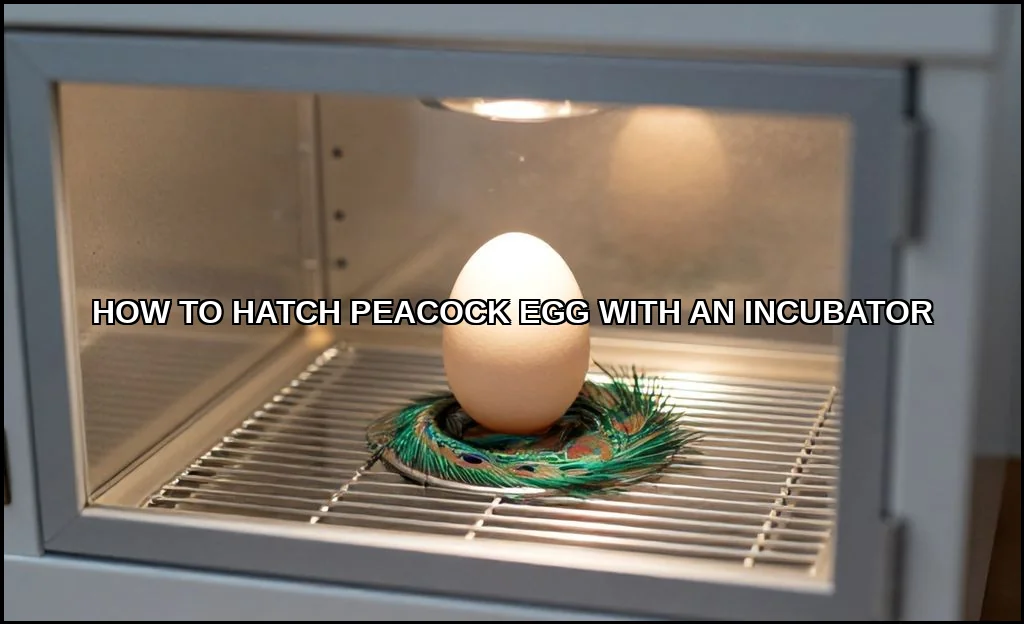
Essential Incubator Settings for Peacock Eggs
Your incubator is the artificial surrogate for a broody peahen. Consistency is its most important job. Fluctuations in temperature or humidity are the primary reasons hatching peafowl fails.
Temperature and Humidity: The Non-Negotiables
There are two main incubator types: forced air (with a fan) and still air. Settings differ between them.
- Forced Air Incubators: Maintain a steady incubator temperature of 99.5F (37.5C).
- Still Air Incubators: The temperature should be 101F (38.3C) measured at the top of the eggs.
For humidity, aim for 50-55% for the first 25 days. This allows for the proper weight loss of the egg during incubation. Your target is about 13% loss by lockdown. A digital hygrometer is a must-have tool.
The Role of Egg Turning
In nature, the hen constantly shifts her eggs. This prevents the embryo from sticking to the shell membrane. In your incubator, you must replicate this. Egg turning is critical for the first 25 days. Turn the eggs at least 3-5 times daily. An automatic egg turner is a worthwhile investment for consistency and saves you from missing a cycle. Brands like Brinsea, GQF, and Hova-Bator are known for reliable turners.
Preparing and Storing Eggs Before Incubation
You can’t hatch what isn’t viable. Start with truly fertile peacock eggs from a reputable breeder. Handle them like precious china.
Collection and Storage
Collect eggs frequently to keep them clean. Gently wipe off any debris with a dry clothavoid washing, as it removes the protective bloom. Store them pointed end down in a carton at 55-60F with 70-75% humidity. Let them rest for no more than 7-10 days before setting. Older eggs see a sharp drop in hatch rates.
Candling for Viability
Candling eggs is your window into the process. Use a bright, focused light in a dark room. Candle before setting to check for hairline cracks. Candle again around day 7-10 to confirm fertility. You should see spider-like veins radiating from a dark spot (the embryo). Remove any clear, infertile eggs promptly. Learning how to candle a peacock egg is a skill that prevents wasted time and resources.
The Day-by-Day Hatching Timeline
The incubation period for peafowl is 27-30 days. Most hatch on day 28. Heres what to expect.
| Days | Key Development & Actions |
|---|---|
| 1-25 | Incubation phase. Maintain temp/humidity. Turn eggs regularly. |
| Day 18 | Perform a major candling. Remove any quitters (eggs with dead embryos). |
| Day 25 | Begin the lockdown period. Stop turning. Increase humidity to 65-70%. |
| Day 26-27 | Chicks position for hatching. Internal pip (breaking into the air cell) occurs. |
| Day 27-28 | External pip appearsthe first tiny hole in the shell. The pip is a milestone. |
| Day 28-30 | Hatching! The chick “zips” around the shell and emerges. |
Patience is critical now. The transition from internal pip to hatch can take 24 hours. Resist the urge to open the incubator.
The Hatch: Lockdown and Assisting Chicks
The lockdown period (last 3 days) is when you stop all interference. No turning. No candling. Just elevated humidity. This allows the chick to position correctly and the membrane to remain supple for its escape.
To Assist or Not to Assist?
Should you help a peacock chick hatch? The rule is: almost never. Hatching is strenuous but necessary. It ensures the chick absorbs its yolk sac fully and builds strength. Intervention often causes fatal bleeding. However, if a chick has pipped but made zero progress for over 24 hours, or if it’s clearly malpositioned and distressed, hatching assistance may be considered. It’s a delicate, last-resort surgery best guided by an authority guide.
The risks of early intervention are high. A chick pulled from the egg too soon can have an unabsorbed yolk, leading to infection or a weak, “leggy” chick. It’s a tough lesson in letting nature take its course.
Post-Hatch Care in the Brooder
Your newly hatched peafowl chick is wet, tired, and fragile. Leave it in the incubator until it is completely fluffed up and dry. This can take 12-24 hours.
Brooder Setup Essentials
The brooder is your chick’s nursery for the first 6-8 weeks. A simple plastic tub or stock tank works well. Key elements include:
- Heat: A brooder lamp creating a 95F zone in week 1, reduced by 5F each week.
- Bedding: Paper towels for the first 3 days, then switch to pine shavings.
- Food & Water: Use a high-protein game bird starter crumb (28-30% protein). Provide shallow waterers with clean water, adding pebbles to prevent drowning.
Just as you’d research the best talking parrots for a pet, setting up the right environment from day one is key for peafowl chick health.
Health Monitoring
Watch your chicks closely. Peacock-specific diseases like coccidiosis (cocci) are a real threat in damp, dirty brooders. Signs include lethargy, bloody droppings, and puffed-up feathers. Keep the brooder dry and consider a medicated starter feed as a preventative. Proper brooder setup and cleanliness are your best defenses.
Socialization is also part of care. Gentle handling helps them become accustomed to people. Provide perches low to the ground as they grow. Their development is rapid and rewarding to observe, not unlike monitoring wildlife through one of the best birdhouse cameras.
Hatching peacock eggs blends science with a bit of art. You control the environmentthe temperature, the humidity, the turns. But you also learn to respect the process, to read the subtle signs, and to exercise restraint when every instinct screams to help. The reward is a healthy, vibrant chick that you helped bring into the world. Start with a reliable incubator, follow the data, and embrace the incredible 28-day journey from egg to peafowl.
