You’ve brought home a feathered friend, and now you’re wondering about the magic of bird speech. Teaching a parrot to talk is a journey, not a quick trick. It’s about patience, understanding, and building a deep bond. This guide will walk you through the practical steps, from choosing the right bird to troubleshooting those moments when you wonder, “why won’t my parrot learn to talk?”
How Parrots Learn Words: It’s More Than Mimicry
Before you utter a single word, it helps to know what’s happening in your parrot’s brain. Parrot vocal learning is a complex neurological process. It’s not simple repetition. Your bird is actively listening, processing, and choosing to reproduce sounds that have social value. This ability is rare in the animal kingdom, shared by only a few species like dolphins, elephants, and humans. Studies suggest parrots use a part of their brain called the “song system,” analogous to areas in our own brains used for speech. They learn through social interaction, making your relationship the cornerstone of training. For a deeper dive into this fascinating science, explore this detailed resource on how parrots learn to communicate.
The Role of Species in Talking Ability
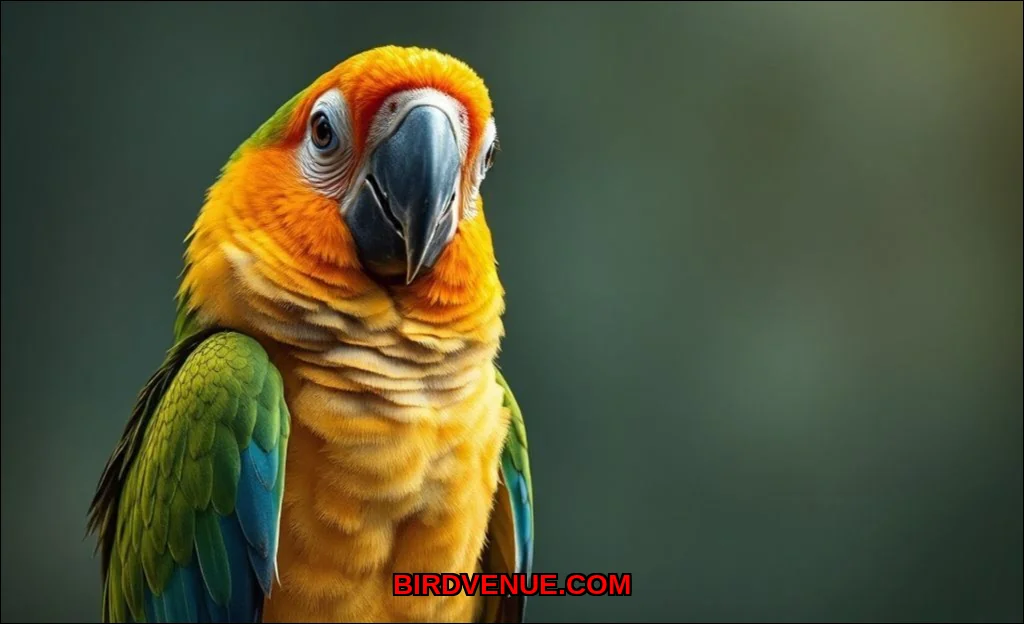
Not all parrots are equally gifted talkers. Some species are renowned for their clarity and vast vocabularies, while others may only master a few sounds. Your success hinges partly on this choice.
- African Grey Parrots: Often considered the Einstein of the parrot world. They excel at clear speech and can understand contextual meaning.
- Amazon Parrots: Known for their loud, clear voices and playful personalities. They are enthusiastic talkers.
- Budgerigars (Budgies): Don’t let their size fool you. These small parrots can learn extensive vocabularies, though their voices are high-pitched.
- Cockatiels: More likely to whistle tunes than speak clear words, though some males learn phrases.
- Macaws: They can talk, but are better known for loud calls. Their speech is often raspy. Curious about the differences? Learn more about telling a macaw from other parrots.
Age is also a factor. Younger birds, especially those still in their juvenile phase, are generally more receptive to learning new sounds, much like human children.
Setting the Stage: Your Parrot’s Learning Environment
Think of your home as a classroom. A stressed or bored bird won’t be a good student. Your first job is to create a space conducive to learning.
Bonding time is non-negotiable. Your parrot needs to trust and enjoy your company before it will care about your words. Spend calm, positive time together daily, without any pressure to perform. Ensure their cage is stocked with interactive toys to prevent boredom and stimulate their intelligent mind. A happy, engaged parrot is a receptive parrot.
The actual training should happen in a quiet, low-distraction area. Turn off the TV and minimize other noises. This helps your parrot focus solely on you and the sounds you’re making.
Your Step-by-Step Guide to Parrot Training
Now for the hands-on part. This method relies on the cornerstone of modern animal training: positive reinforcement. You reward the behaviors you want to see repeated.
Step 1: Master the Basics of Interaction
Start with simple target training or step-up commands. This establishes a communication language between you. A tool like the Getting Started Clicker can be incredibly effective. The sharp “click” sound marks the exact moment your bird does something right, followed immediately by a treat. It creates crystal-clear communication.
Step 2: Choose Your First Words Wisely
So, what are the best words to teach a parrot first? Start simple.
- Short, clear words: “Hello,” “Hi,” “Bye-bye.”
- Words with hard consonants and vowels: “Pretty bird,” “Cracker.”
- Words you say with excitement: Their name, “Good!”
Use clear pronunciation and lots of enthusiasm. Your emotional tone is something they will pick up on.
Step 3: The Power of Consistent Repetition
This is where the magic happens. Say your chosen word or phrase clearly every time you interact with your birdduring feeding, play, or when you enter the room. Consistent repetition is key. Keep short training sessions of 5-10 minutes, once or twice a day. Long sessions lead to frustration for both of you.
When your parrot makes any sound that resembles the word, immediately reward it! Even a mumbled approximation deserves a treat and praise. You’re shaping the behavior toward the perfect sound.
Step 4: Building on Success
Once your parrot masters one word, add another. You can also start associating words with objects or actions. Say “apple” when you give a piece of apple. Say “step up” when you offer your hand. This moves them from simple mimicry toward contextual understanding. For more on the mechanics behind this ability, read about how parrots produce human speech sounds.
Troubleshooting: When Your Parrot Isn’t Talking
It’s the most common question: how long does it take to teach a parrot to talk? The answer is frustratingly variable. It could be weeks, months, or even a year. Some parrots never speak. If you’re hitting a wall, check these common issues.
Potential Problems and Solutions
| Problem | Possible Reason | Solution |
|---|---|---|
| No attempt at mimicry | Species not prone to talking, stress, or illness. | Re-evaluate species expectations. Ensure vet check-up. Focus on bonding, not speech. |
| Mumbles or unclear speech | Word is too complex, or reward isn’t immediate. | Go back to simpler words. Use a clicker to mark the attempt instantly. |
| Bird was talking, then stopped | Boredom, lack of reinforcement, or environmental change. | Re-engage with fun, short sessions. Introduce new words. Check for new stressors. |
| Only talks when alone | Shyness or performance anxiety. | Don’t stare expectantly. Practice with the bird on a training perch near you while you do other tasks. |
Remember, a silent parrot is not a failed parrot. The bonding time and trust you build through this process are the real rewards. Their value isn’t measured in vocabulary.
The Bigger Picture
Teaching a parrot to talk is a brilliant exercise in understanding bird behavior and intelligence. It’s a window into their social, cognitive world. While the first clear “Hello” is a thrilling milestone, the journey itselfthe daily interaction, the patience, the mutual learningis what truly enriches your life together. You’re not just training a bird. You’re building a unique, interspecies friendship based on clear communication and respect. Start with realistic expectations, celebrate every small step, and enjoy the conversation, however it unfolds.
