Your cockatoo just bit you. Again. It stings, both physically and emotionally. You love your bird, but this behavior is fraying your bond and testing your patience. You’re not alone. Cockatoo aggression is a common, complex challenge rooted in avian psychology, not malice.
The good news? Parrot biting can be managed and often extinguished. It requires a shift in perspective. You must become a detective, a translator, and a trusted partner. This guide moves beyond simple “parrot discipline methods” to explore the why, the warning signs, and the actionable, positive steps you can take today.
Why Does My Cockatoo Bite? The Root Causes
Cockatoos don’t bite without reason. Labeling it as “mean” or “spiteful” misunderstands their nature. Biting is communication, often a last resort. The triggers are varied and sometimes surprising.
Fear and self-defense top the list. A sudden movement, a new person, or an unfamiliar object can trigger a fear bite. Your bird feels cornered and uses its beak to create space. Hormonal surges, especially in spring, dramatically increase territoriality and irritability. A bird that was once cuddly may suddenly lunge.
Frustration is a huge factor. Imagine being unable to speak your needs. Biting becomes a shout. Your cockatoo might bite if you stop a fun activity, ignore a request for attention, or fail to understand its body language. Medical issues are critical to rule out. Pain from an injury, arthritis in older birds, or the discomfort of molting can make anyone irritable. A visit to an avian veterinarian is always step one.
Don’t overlook age-related phases. Juvenile cockatoos explore the world with their beaks, testing pressure and reactions. Senior birds may become less tolerant or more set in their ways. Also, consider the impact of molting. New pin feathers are sensitive and itchy, making a bird more prone to nipping. Understanding these root causes is the first step in cockatoo behavior modification.
How Cockatoo Bites Compare
While all parrot bites hurt, the context differs. A Macaw’s bite is often more about testing and manipulation during play. An Amazon parrot might bite more readily out of territorial defense. Cockatoos, with their intense social needs, frequently bite from overstimulation, frustration over unmet emotional demands, or fear. Recognizing this nuance is key to bird bite prevention.
Reading Cockatoo Body Language: The Silent Warnings
Bites are almost never a surprise. Your cockatoo broadcasts its discomfort loud and clearif you know the signals. Ignoring these signs is like walking past a “Danger” sign. Learning this language is your most powerful tool for avian aggression training.
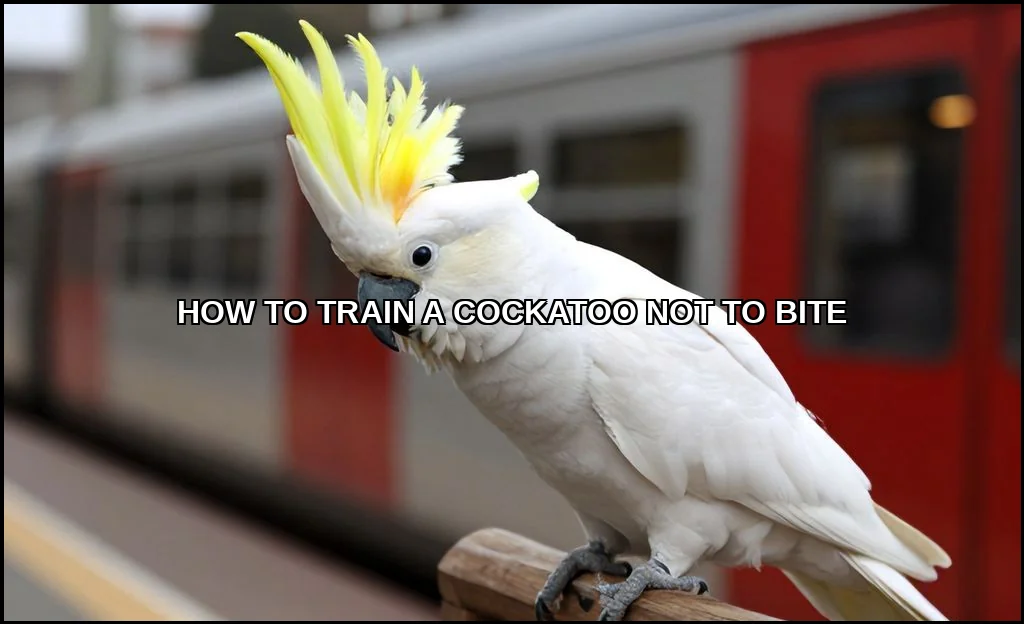
Watch the eyes. Rapid pinning and dilating of the pupils (eye pinning) can indicate high arousal, which can swing to excitement or aggression. Observe the crest. A fully raised crest with a stiff posture often signals alarm or high excitement. A slightly raised crest can mean curiosity.
Pay attention to posture. A crouched, leaning-forward stance with fanned tail feathers is a classic “back off” posture. Watch for beak gestures. Beak grinding usually means contentment, but rapid side-to-side beak wiping can signal irritation. A pointed beak, like a finger being aimed at you, is a direct threat.
Listen to the sounds. Low, guttural growls are a serious final warning, especially in Umbrella and Moluccan cockatoos. This is your cue to stop what you’re doing and give space immediately. Heeding these warnings is the cornerstone of stop parrot biting strategies. It prevents the bite before it happens.
Step-by-Step Positive Reinforcement Training Methods
Punishmentyelling, tapping beaks, putting in the cagedestroys trust and worsens aggression. The only effective, ethical path is positive reinforcement. You reward the behaviors you want, and the unwanted behaviors fade away. For structured guidance, many owners find success with tools like the alfyng Bird Training kit, which provides a clear system for beginners.
1. Master Target Training
This is your foundation. Target training teaches your bird to touch a stick (a chopstick works) with its beak. You click (or use a verbal marker like “good!”) and give a tiny treat. This does several things: builds communication, gives you a way to move your bird without force, and creates a positive association with you. It’s the first building block for all other skills.
2. Implement Bite Pressure Training
This directly addresses the bite itself. The goal isn’t to stop beak contactthat’s unnaturalbut to teach “beak awareness.” Allow your bird to rest its beak on your hand. If the pressure increases beyond a gentle touch, let your hand go limp and say “too hard” in a calm, neutral tone. Then withdraw attention for 30 seconds. Resume. Reward gentle beak touches lavishly. This teaches that hard bites make the fun stop, while soft touches make good things happen.
3. Address Specific Scenarios
Use your training to tackle those long-tail keyword situations. Why does my cockatoo bite when I try to pet it? It’s likely telling you it’s not in the mood. Ask for a simple target touch first. If it complies, you can attempt a brief scratch on the headnot the body, which is sexually stimulating. If it refuses the target, respect that “no.”
How to stop a cockatoo from biting during play? Watch for overstimulation signs. End the session before the bite, on a positive note. Teach an “all done” cue. Cockatoo biting cage bars what to do? This is often boredom or frustration. The solution isn’t cage punishment but enrichment outside it. Provide more bird-safe toys (foraging, shredding) and out-of-cage time. For training a rescue cockatoo not to bite, patience is paramount. Build trust through proximity without demands, using high-value treats. Let the bird set the pace. Brands like Harrison’s Bird Foods offer nutritious pellets perfect for use as training rewards.
Environmental Adjustments to Reduce Triggers
Your bird’s environment directly influences its behavior. Think of yourself as a curator of its well-being. Small changes can yield dramatic results in reducing cockatoo aggression.
- Enrichment is Non-Negotiable: A bored cockatoo is a biting cockatoo. Rotate a variety of toys: shreddable wood, foraging puzzles where you hide treats, and preening toys. This channels natural chewing and problem-solving instincts away from your fingers.
- Manage the Hormonal Climate: Limit access to dark, enclosed spaces (boxes, under furniture) which can be seen as nest sites. Pet on the head and neck onlyback and belly petting is sexually stimulating. Ensure 10-12 hours of uninterrupted sleep in a dark, quiet room to mimic natural cycles.
- Create Predictable Routines: Birds thrive on knowing what comes next. Feed, train, and offer out-of-cage time on a rough schedule. This reduces anxiety-based biting.
- Optimize the Cage Setup: Place the cage in a socially active area but not in the middle of a traffic jam. Ensure it has multiple perches at different heights, including a bird training perch for stationing work. The right environment supports all your bird training efforts. For more on creating a stimulating habitat, explore our guide on the best birdhouses for innovative ideas.
When to Seek Professional Help
You’ve tried everything. The bites are severe, frequent, or you feel your safety is at risk. It’s time to call in the experts. This isn’t failureit’s responsible ownership.
Consult a Certified Avian Behaviorist. These professionals, unlike many general dog trainers, specialize in avian psychology. They can observe your specific dynamics, identify subtle triggers you’ve missed, and create a customized behavior modification plan. Resources from experts like BirdTricks offer valuable online insights, but for severe cases, hands-on help is irreplaceable.
Revisit Your Avian Veterinarian. Sudden onset aggression warrants a full medical checkup. Pain, neurological issues, or nutritional deficiencies can be the hidden culprit. A vet can also advise on hormonal management if that’s the core issue.
Remember, some parrots are more challenging talkers than others, which can influence frustration levels. If you’re curious about vocal abilities, our article on which parrots talk provides interesting context. For deeper reading on managing your bird’s stress, a key component in biting, this authority guide from an official source is invaluable.
A Realistic Timeline
This won’t be fixed in a week. Cockatoo behavior modification is a marathon. You might see progress in a few weeks, but deep-seated issues, especially with rescue birds, can take months or years of consistent work. Celebrate the small victories: a softer beak, a warning growl instead of a lunge, a successful training session.
Training a cockatoo not to bite reshapes your entire relationship. It moves you from an adversary to be avoided to a source of security and good things. You learn its language. You build mutual respect instead of fear. The journey requires immense patience, consistent positive reinforcement, and a willingness to look at the world from behind a beak. The rewarda trusting, interactive companion who chooses not to biteis worth every mindful step.
